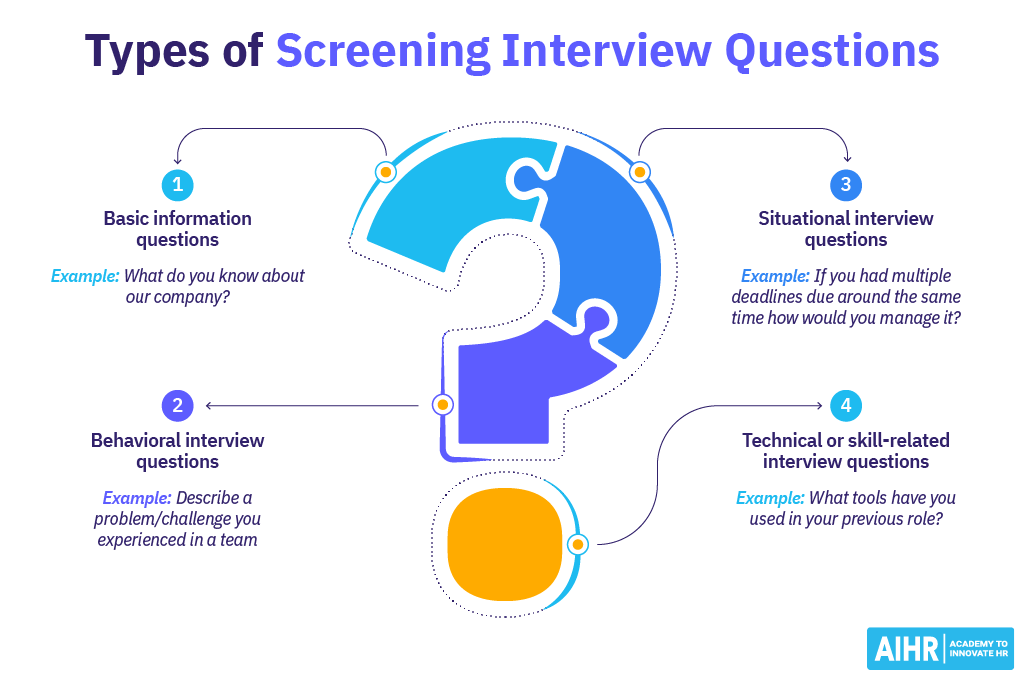
The Art of Answering Basic Interview Questions
Job interviews can be nerve-wracking experiences, but being prepared can make all the difference. One key aspect of interview preparation is familiarizing yourself with common basic interview questions and knowing how to answer them effectively. Let’s explore some typical questions and strategies for crafting strong responses:
Tell Me About Yourself
This open-ended question is often used as an icebreaker. Keep your response concise, focusing on relevant experiences and skills that align with the job requirements. Highlight your achievements and career goals to demonstrate your suitability for the role.
What Are Your Strengths and Weaknesses?
When discussing strengths, emphasize qualities that are valuable in the workplace, such as problem-solving skills or teamwork abilities. For weaknesses, choose an area for improvement that you are actively working on and explain how you are addressing it.
Why Do You Want to Work Here?
Showcase your knowledge of the company by mentioning specific reasons why you are interested in the organization, such as its values, culture, or innovative projects. Tailor your response to reflect how your skills align with the company’s goals.
Describe a Challenging Situation You Faced at Work
Use the STAR method (Situation, Task, Action, Result) to structure your response. Start by outlining the context of the challenge, describe the actions you took to address it, and conclude with the positive outcome or lesson learned from the experience.
Where Do You See Yourself in Five Years?
Demonstrate your ambition and long-term career goals while also showing alignment with the potential growth opportunities within the company. Emphasize your commitment to professional development and how you plan to contribute to the organization’s success.
By practicing responses to these basic interview questions and tailoring them to suit each job opportunity, you can approach interviews with confidence and leave a lasting impression on potential employers.
6 Benefits of Basic Interview Questions: Enhancing Candidate Assessment and Interaction
- Provide a structured way for employers to assess candidates’ communication skills.
- Offer insights into candidates’ problem-solving abilities and critical thinking skills.
- Help employers gauge candidates’ level of preparedness and interest in the job.
- Allow candidates to showcase their relevant experiences and achievements effectively.
- Create opportunities for candidates to demonstrate their fit with the company culture and values.
- Enable both parties to establish rapport and build a positive interaction during the interview.
7 Drawbacks of Basic Interview Questions: Why They Might Not Reveal a Candidate’s True Potential
- May feel repetitive if asked in multiple interviews.
- Can be predictable, leading to rehearsed or insincere responses.
- Some questions may not effectively gauge a candidate’s true potential.
- May not allow for a comprehensive assessment of a candidate’s skills and experience.
- Could create bias based on how well a candidate answers rather than their qualifications.
- Certain questions may cause discomfort or anxiety for some candidates.
- Limited scope in uncovering unique qualities or creativity in candidates.
Provide a structured way for employers to assess candidates’ communication skills.
Basic interview questions provide a structured way for employers to assess candidates’ communication skills. By asking straightforward questions that require clear and concise responses, employers can evaluate how well candidates articulate their thoughts, convey information effectively, and engage in meaningful dialogue. This structured approach allows employers to gauge not only the content of the candidate’s answers but also their ability to communicate confidently, professionally, and persuasively – essential qualities in today’s competitive job market.
Offer insights into candidates’ problem-solving abilities and critical thinking skills.
Basic interview questions offer valuable insights into candidates’ problem-solving abilities and critical thinking skills. By presenting candidates with scenarios or challenges to respond to, interviewers can observe how individuals approach and analyze problems, evaluate different solutions, and make informed decisions. Candidates who demonstrate strong problem-solving skills during interviews showcase their ability to think logically, creatively, and strategically in various situations. Employers can use these observations to assess a candidate’s potential to adapt to new challenges, contribute innovative ideas, and effectively navigate complex tasks in the workplace.
Help employers gauge candidates’ level of preparedness and interest in the job.
Basic interview questions serve as a valuable tool for employers to assess candidates’ level of preparedness and genuine interest in the job. By asking fundamental questions about the candidate’s background, skills, and motivations, employers can gauge how well applicants have researched the company and the position. Candidates who provide thoughtful and well-prepared responses demonstrate their commitment to the role and their enthusiasm for joining the organization. This pro of basic interview questions enables employers to identify candidates who have taken the time to understand the job requirements and are genuinely invested in contributing to the company’s success.
Allow candidates to showcase their relevant experiences and achievements effectively.
Basic interview questions provide candidates with a valuable opportunity to showcase their relevant experiences and achievements effectively. By asking about past accomplishments and challenges, interviewers give candidates a platform to highlight their skills and capabilities in a structured manner. This pro of basic interview questions allows candidates to demonstrate how their previous experiences have equipped them with the necessary qualifications for the job, giving employers insight into their potential contributions to the role.
Create opportunities for candidates to demonstrate their fit with the company culture and values.
Basic interview questions provide a valuable opportunity for candidates to showcase their alignment with the company culture and values. By asking about a candidate’s motivations, work style preferences, and past experiences, interviewers can gauge how well the individual’s attitudes and beliefs resonate with the organization’s ethos. Candidates can use these questions to highlight their interpersonal skills, teamwork capabilities, and ethical standards, demonstrating how they would contribute positively to the company’s environment. This alignment in values and culture not only ensures a good fit between the candidate and the organization but also fosters a harmonious work relationship that benefits both parties in the long run.
Enable both parties to establish rapport and build a positive interaction during the interview.
Establishing rapport and fostering a positive interaction during an interview is crucial for both the interviewer and the interviewee. Basic interview questions play a key role in this process by providing a common starting point for conversation. By asking about familiar topics such as background information or strengths and weaknesses, both parties can engage in a meaningful dialogue that helps build trust and connection. This initial rapport sets the tone for the rest of the interview, creating a more relaxed atmosphere where genuine communication can flow smoothly. Ultimately, the ability of basic interview questions to facilitate rapport-building enhances the overall experience for everyone involved and increases the likelihood of a successful interaction.
May feel repetitive if asked in multiple interviews.
One drawback of basic interview questions is that they may feel repetitive if asked in multiple interviews. Answering the same set of questions across different job interviews can lead to a sense of monotony and lack of engagement for the candidate. This repetition may also make it challenging for applicants to showcase their unique qualities and experiences, as they feel constrained by providing similar responses each time. To overcome this con, interviewers should consider incorporating more varied and tailored questions to ensure a more dynamic and insightful conversation with candidates.
Can be predictable, leading to rehearsed or insincere responses.
One significant drawback of basic interview questions is that they can be predictable, leading candidates to provide rehearsed or insincere responses. When applicants encounter the same set of common questions in multiple interviews, there is a risk of their answers sounding robotic or lacking authenticity. This predictability may hinder the interviewer’s ability to truly assess a candidate’s genuine capabilities and fit for the role, as scripted responses may not accurately reflect a candidate’s true personality or problem-solving skills. Employers should consider incorporating more unique and tailored questions to elicit more authentic and insightful responses from candidates during the interview process.
Some questions may not effectively gauge a candidate’s true potential.
One significant drawback of basic interview questions is that some inquiries may not effectively gauge a candidate’s true potential. Questions that are too generic or predictable may not elicit insightful responses that reveal a candidate’s unique skills, experiences, and problem-solving abilities. Candidates who have prepared rehearsed answers to common questions may come across as polished but lack authenticity. To overcome this con, interviewers should consider incorporating more tailored and situational questions that challenge candidates to think critically and showcase their genuine capabilities beyond memorized responses.
May not allow for a comprehensive assessment of a candidate’s skills and experience.
One significant drawback of relying solely on basic interview questions is that they may not provide a comprehensive assessment of a candidate’s skills and experience. These generic questions often touch on surface-level aspects of a candidate’s background, limiting the interviewer’s ability to delve deeper into specific competencies and achievements. Without more targeted inquiries tailored to the job requirements, important details about a candidate’s qualifications and potential fit for the role may be overlooked. To ensure a more thorough evaluation of candidates, incorporating a mix of general and job-specific questions can offer a more holistic view of their capabilities.
Could create bias based on how well a candidate answers rather than their qualifications.
One significant con of relying on basic interview questions is the potential for creating bias based on how well a candidate answers rather than their qualifications. Interviewers may unconsciously favor candidates who excel at articulating their responses, even if their actual skills and experiences do not align with the job requirements. This bias can lead to overlooking qualified candidates who may struggle with verbal communication but possess the necessary expertise for the role. To mitigate this issue, it is crucial for interviewers to focus on evaluating candidates based on their qualifications, experiences, and potential contributions to the organization rather than solely on their interview performance.
Certain questions may cause discomfort or anxiety for some candidates.
It is important to acknowledge that certain basic interview questions have the potential to cause discomfort or anxiety for some candidates. Questions about weaknesses, personal challenges, or gaps in employment history can be particularly sensitive topics that may evoke negative feelings or stress during an interview. Employers should approach these questions with empathy and sensitivity, recognizing that each candidate may have unique experiences and circumstances that impact their comfort level in discussing certain aspects of their professional or personal life. Creating a supportive and inclusive interview environment where candidates feel respected and valued can help mitigate the anxiety associated with these challenging questions.
Limited scope in uncovering unique qualities or creativity in candidates.
In the realm of basic interview questions, one notable con is their limited scope in uncovering the unique qualities or creativity that candidates may possess. By relying on standard inquiries that often elicit rehearsed responses, interviewers may overlook the opportunity to delve deeper into a candidate’s individuality and innovative thinking. This can result in a lack of insight into what sets a candidate apart from others and how they can bring fresh perspectives to the role. To address this limitation, interviewers may consider incorporating more open-ended or situational questions that encourage candidates to showcase their creativity, problem-solving skills, and unique attributes, providing a more comprehensive view of their potential contributions to the organization.