The Rise of AI Chatbots: Transforming Communication in the Digital Age
In recent years, artificial intelligence (AI) chatbots have emerged as a revolutionary force in the realm of digital communication. These sophisticated programs are designed to simulate human conversation and provide users with instant responses, making them an invaluable tool for businesses and consumers alike.
What Are AI Chatbots?
AI chatbots are software applications that use natural language processing (NLP) and machine learning to understand and respond to user inputs. They can be integrated into websites, messaging apps, and social media platforms to facilitate customer service, provide information, or even entertain.
How Do AI Chatbots Work?
At the core of AI chatbots is NLP technology, which allows them to comprehend text inputs from users. By analyzing language patterns and context, chatbots generate appropriate responses. Machine learning further enhances their capabilities by enabling them to learn from interactions and improve over time.
Applications of AI Chatbots
The versatility of AI chatbots has led to their adoption across various industries:
- Customer Support: Many companies use chatbots to handle routine inquiries, reducing wait times and freeing up human agents for more complex issues.
- E-commerce: Chatbots assist shoppers by providing product recommendations, answering questions about orders, and facilitating transactions.
- Healthcare: In healthcare settings, chatbots offer patients information on symptoms and treatments or help schedule appointments.
- Entertainment: Some chatbots are designed purely for amusement, engaging users in playful conversations or interactive storytelling.
The Benefits of AI Chatbots
The integration of AI chatbots offers several advantages:
- 24/7 Availability: Unlike human agents, chatbots can operate around the clock without breaks or downtime.
- Cost Efficiency: By automating routine tasks, businesses can significantly reduce operational costs associated with customer support.
- Scalability: Chatbots can handle multiple conversations simultaneously, making them ideal for businesses experiencing high volumes of inquiries.
- Personalization: Advanced algorithms allow chatbots to tailor interactions based on user preferences and past behavior.
The Future of AI Chatbots
The future looks promising for AI chatbots as technology continues to advance. With ongoing improvements in NLP and machine learning algorithms, these tools will become even more adept at understanding complex queries and delivering nuanced responses. Moreover, as voice recognition technology evolves, voice-activated chat interfaces are expected to become more prevalent.
The integration of AI-powered assistants into everyday life is set to revolutionize how we interact with technology. As businesses continue to adopt these innovations at an accelerating pace, it’s clear that AI chatbots will play a pivotal role in shaping the future of digital communication.
Your Guide to AI Chat Bots: Acquisition, Top Picks, Age Restrictions, and Legalities
- How do I get an AI chat bot?
- What are the top 5 AI chat bots?
- Is character AI 18+ now?
- Are AI chat bots illegal?
How do I get an AI chat bot?
To get an AI chatbot, you’ll first need to determine the platform or service that best suits your needs, whether it’s for personal use, business customer service, or another application. Many companies offer user-friendly chatbot builders that require little to no coding experience, such as Chatfuel, ManyChat, or Tidio. These platforms typically provide templates and drag-and-drop interfaces to help you design and deploy your chatbot quickly. If you require a more customized solution, consider hiring a developer or team with expertise in AI and natural language processing to create a tailored chatbot for you. Additionally, some cloud-based services like Google Dialogflow and Microsoft Bot Framework offer robust tools for developing more complex chatbots with advanced features. Once you’ve selected the right tool or service, follow their setup instructions to integrate the chatbot into your website or messaging platform.
What are the top 5 AI chat bots?
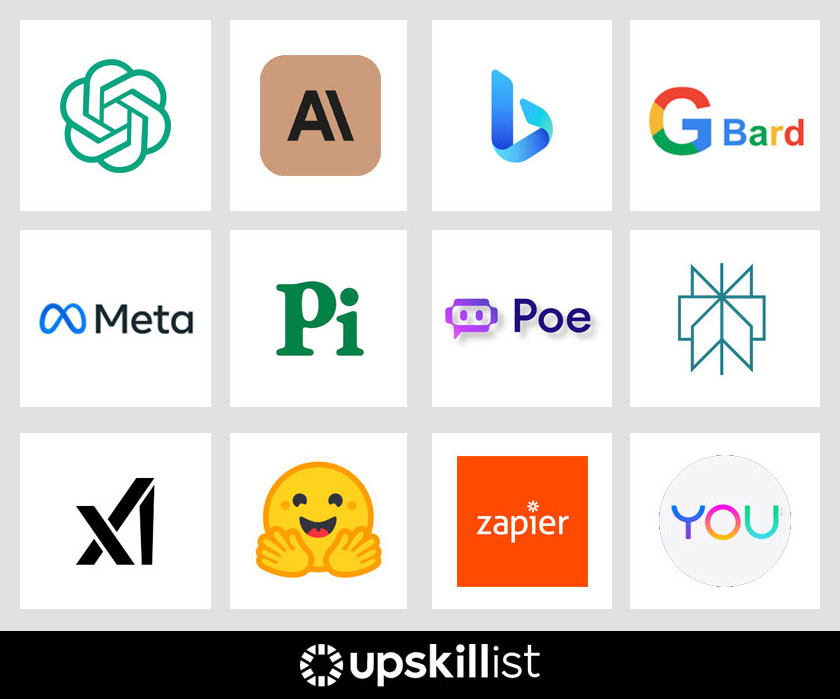
When considering the top AI chatbots available today, several stand out due to their advanced capabilities and widespread use. OpenAI’s ChatGPT is renowned for its conversational prowess and adaptability across various applications. Google’s Bard is another leading chatbot, known for its integration with Google’s ecosystem and powerful language processing abilities. Microsoft’s Azure Bot Service provides robust tools for developers to create custom bots tailored to specific needs, making it a favorite among businesses. IBM’s Watson Assistant offers enterprise-level solutions with strong support for complex queries and integrations. Finally, Meta’s BlenderBot is noted for its open-domain conversation skills and ability to engage users in diverse topics. Each of these AI chatbots brings unique strengths to the table, catering to different user requirements and industries.
Is character AI 18+ now?
Character AI platforms are designed to create interactive and engaging experiences by simulating conversations with virtual characters. The age appropriateness of such platforms can vary based on the content and the intended audience. While some character AI applications may include features or scenarios suitable for adults, many are designed to be accessible to a general audience, including younger users. It’s important for users and guardians to review the terms of service and community guidelines of a specific platform to understand its content policies and any age restrictions that may apply. Parents should supervise usage when necessary to ensure that interactions align with their expectations for appropriate content.
Are AI chat bots illegal?
AI chatbots are not inherently illegal; however, their legality depends on how they are used and the regulations in specific regions. Generally, AI chatbots must comply with data protection laws, such as the General Data Protection Regulation (GDPR) in Europe or the California Consumer Privacy Act (CCPA) in the United States. These laws mandate transparent data collection practices, user consent for data processing, and secure handling of personal information. Additionally, chatbots must not engage in fraudulent activities, spread misinformation, or violate privacy rights. Companies deploying AI chatbots should ensure compliance with relevant legal standards to avoid potential legal issues.