The Rise of AI Intelligence: Transforming the Future
Artificial Intelligence (AI) has rapidly evolved from a niche field of study to a cornerstone of modern technology. As AI intelligence continues to advance, it is reshaping industries, redefining the workforce, and altering the way we interact with the world.
Understanding AI Intelligence
AI intelligence refers to the capability of machines to mimic human cognitive functions such as learning, problem-solving, and decision-making. This is achieved through complex algorithms and vast amounts of data that allow machines to learn from experience and adapt over time.
Applications Across Industries
AI intelligence is being integrated into numerous sectors:
- Healthcare: AI systems are revolutionizing diagnostics and treatment plans by analyzing medical data with unprecedented speed and accuracy.
- Finance: Algorithms are used for fraud detection, risk management, and even automated trading, enhancing efficiency and security.
- Manufacturing: Robotics powered by AI are optimizing production lines, reducing errors, and increasing output.
- Transportation: Self-driving cars utilize AI intelligence to navigate roads safely while reducing human error.
- E-commerce: Personalized recommendations powered by AI enhance customer experiences by predicting consumer preferences.
The Ethical Considerations
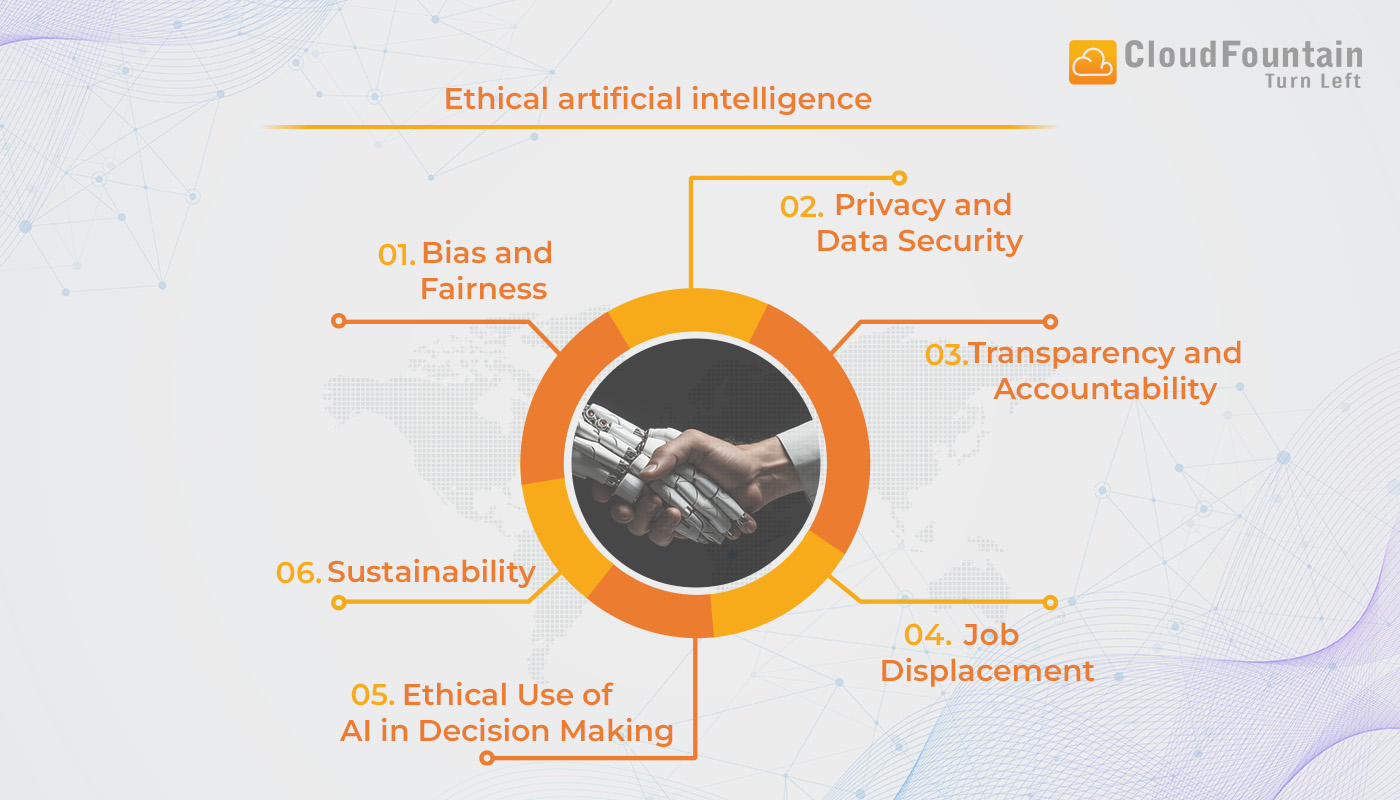
With great power comes great responsibility. The rise of AI intelligence raises important ethical questions. Concerns about privacy, job displacement, bias in algorithms, and autonomous decision-making need careful consideration. Ensuring that AI systems are transparent and accountable is crucial for maintaining public trust.
The Future of AI Intelligence
The potential for AI intelligence is vast. As technology progresses, we can expect more sophisticated applications that could solve some of humanity’s most pressing challenges—from climate change to global health crises. However, striking a balance between innovation and ethical responsibility will be key in shaping a future where AI benefits all.
The journey towards advanced AI intelligence is just beginning. As we continue to explore its capabilities and limitations, collaboration between technologists, ethicists, policymakers, and society at large will be essential in harnessing its full potential responsibly.
Top 8 FAQs About AI Intelligence: Understanding Its Impact, Capabilities, and Future
- What is AI intelligence?
- Is artificial intelligence a threat to humans?
- What does AI really do?
- What is the intelligence of AI?
- Who is the no. 1 AI?
- Can I use AI for free?
- What are the 4 types of artificial intelligence?
- What did Bill Gates warn about AI?
What is AI intelligence?
AI intelligence refers to the ability of machines and computer systems to perform tasks that typically require human intelligence. This includes capabilities such as learning from experience, understanding natural language, recognizing patterns, solving problems, and making decisions. AI systems achieve this through complex algorithms and vast datasets that enable them to adapt and improve over time. Unlike traditional computing systems that follow explicit instructions, AI intelligence allows machines to analyze data, identify trends, and generate insights autonomously. As a result, AI is increasingly being integrated into various applications across industries, enhancing efficiency and enabling new possibilities for innovation.
Is artificial intelligence a threat to humans?
The question of whether artificial intelligence poses a threat to humans is a topic of significant debate. On one hand, AI has the potential to greatly enhance human capabilities and improve quality of life through advancements in healthcare, automation, and data analysis. However, concerns arise regarding the potential for job displacement as machines take over tasks traditionally performed by humans. Additionally, there are fears about the misuse of AI in areas such as surveillance, autonomous weapons, and decision-making without human oversight. The key to mitigating these threats lies in developing robust ethical guidelines and regulatory frameworks that ensure AI technologies are used responsibly and transparently. By fostering collaboration between technologists, policymakers, and ethicists, society can harness the benefits of AI while minimizing potential risks.
What does AI really do?
Artificial Intelligence (AI) is designed to perform tasks that typically require human intelligence. These tasks include recognizing speech, making decisions, translating languages, and identifying patterns in data. AI systems achieve this through machine learning algorithms that allow them to learn from vast amounts of data and improve over time. By mimicking cognitive processes, AI can automate repetitive tasks, provide insights through data analysis, and even interact with humans in natural language. In essence, AI enhances efficiency and innovation across various sectors by handling complex computations and processes that would be time-consuming or impossible for humans alone.
What is the intelligence of AI?
The intelligence of AI, often referred to as artificial intelligence, encompasses the ability of machines and systems to perform tasks that typically require human cognitive functions. This includes learning from experience, recognizing patterns, understanding natural language, and making decisions. Unlike human intelligence, which is general and adaptable across various contexts, AI intelligence is usually specialized and task-specific, designed to excel in particular areas such as image recognition or data analysis. AI systems achieve this through complex algorithms and vast datasets that enable them to improve their performance over time. While AI can outperform humans in certain tasks due to its processing power and speed, it lacks the emotional depth and consciousness inherent in human intelligence.
Who is the no. 1 AI?
Determining the “number one” AI is challenging, as it depends on the criteria used for evaluation. In terms of technological advancement, companies like OpenAI, Google DeepMind, and IBM have developed some of the most sophisticated AI systems. OpenAI’s GPT series, including its latest iterations, is renowned for its natural language processing capabilities. Google DeepMind’s AlphaGo made headlines by defeating world champions in the complex game of Go, showcasing advanced strategic thinking. IBM’s Watson has been pivotal in healthcare and other industries with its data analysis prowess. Each of these systems excels in different areas, making it difficult to crown a single AI as the best overall. The landscape of AI is diverse and rapidly evolving, with various systems leading in specific domains.
Can I use AI for free?
Yes, you can use AI for free in various ways, as many companies and platforms offer free access to AI tools and services. For instance, tech giants like Google and Microsoft provide free versions of their AI-powered applications, such as Google Colab for machine learning projects and Azure’s free tier for experimenting with AI models. Additionally, open-source libraries like TensorFlow and PyTorch allow developers to build and deploy AI models without any cost. There are also numerous online resources, tutorials, and communities that provide guidance on using these tools effectively. However, while the initial use of these AI services might be free, advanced features or higher usage levels may require a paid subscription or incur additional costs.
What are the 4 types of artificial intelligence?
Artificial intelligence (AI) can be categorized into four types, each representing a different level of capability and functionality. The first type is *Reactive Machines*, which are the most basic form of AI. These systems can perform narrowly defined tasks based on pre-programmed rules but lack memory or the ability to use past experiences to inform future actions. An example would be IBM’s Deep Blue, the chess-playing computer. The second type is *Limited Memory*, which allows AI systems to use past data to make decisions and predictions. Most current AI applications, such as self-driving cars, fall into this category as they observe and learn from their environment over time. The third type is *Theory of Mind*, which refers to AI that can understand emotions, beliefs, and thoughts, enabling it to interact more naturally with humans. This level of AI is still largely theoretical and in development stages. Finally, the fourth type is *Self-Aware AI*, which represents machines with consciousness and self-awareness akin to human beings. This type remains purely speculative and a subject of philosophical debate rather than practical reality at present.
What did Bill Gates warn about AI?
Bill Gates has been vocal about both the potential and the risks associated with artificial intelligence. He has warned that while AI could lead to significant advancements and improvements in areas like healthcare, education, and productivity, it also poses serious challenges. One of his primary concerns is the potential for AI to displace jobs, leading to economic disruptions. Gates emphasizes the need for proactive measures to manage these transitions, such as retraining workers and ensuring equitable distribution of AI’s benefits. Additionally, he highlights the importance of establishing regulations and ethical guidelines to prevent misuse and ensure that AI technologies are developed responsibly.