The Impact of AI on Modern Society
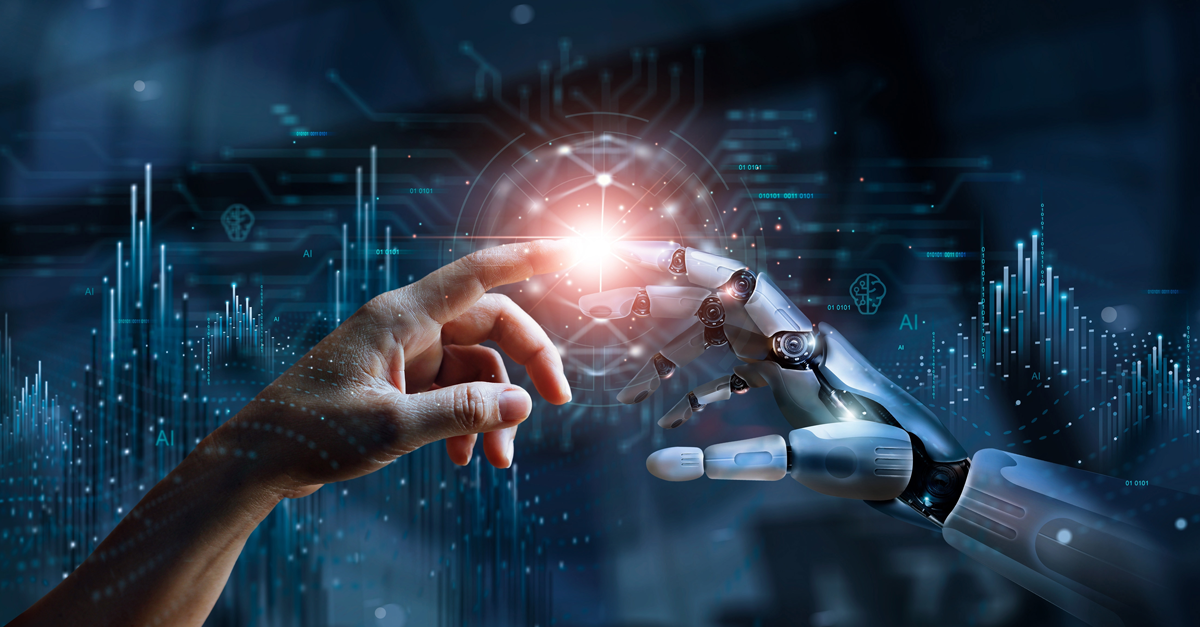
Artificial Intelligence (AI) has rapidly transformed from a futuristic concept into an integral part of everyday life. Its influence spans across various sectors, reshaping industries and altering the way we interact with technology. This article explores the profound impact AI has on modern society, highlighting both its benefits and challenges.
Revolutionizing Industries
AI is revolutionizing industries by automating processes, enhancing efficiency, and enabling data-driven decision-making. In healthcare, AI-powered tools assist in diagnosing diseases with greater accuracy and speed. For instance, machine learning algorithms can analyze medical images to detect anomalies that might be missed by the human eye.
In the financial sector, AI algorithms are used for fraud detection and personalized customer service. By analyzing transaction patterns, these systems can identify suspicious activities in real time, thus preventing potential fraud.
Enhancing Daily Life
The integration of AI into everyday life is evident through virtual assistants like Siri and Alexa. These intelligent systems help users manage tasks, control smart home devices, and access information effortlessly. Moreover, AI-driven recommendation engines personalize user experiences on platforms such as Netflix and Spotify by suggesting content based on individual preferences.
Challenges and Ethical Considerations
Despite its advantages, AI also presents significant challenges. One major concern is the potential for bias in AI systems. If the data used to train these algorithms is biased, it can lead to unfair outcomes in areas like hiring or law enforcement.
Privacy is another critical issue as AI systems often require access to vast amounts of personal data. Ensuring that this data is handled ethically and securely is paramount to maintaining public trust.
The Future of AI
As AI continues to evolve, its role in society will undoubtedly expand. The development of autonomous vehicles promises to transform transportation by reducing accidents caused by human error. Additionally, advancements in natural language processing could lead to more sophisticated interactions between humans and machines.
The future of AI holds immense potential but requires careful consideration of ethical implications and societal impacts. By fostering collaboration between technologists, policymakers, and ethicists, society can harness the power of AI while mitigating its risks.
Conclusion
AI’s impact on modern society is both profound and multifaceted. It offers opportunities for innovation across various domains while presenting challenges that must be addressed responsibly. As we continue to integrate AI into our lives, it is crucial to strike a balance between leveraging its capabilities and safeguarding ethical standards.
Understanding AI: Impact on Work, Healthcare, Education, Privacy, and Ethics
- How is AI changing the way people work?
- Will AI replace human jobs?
- How is AI used in healthcare?
- How can AI support teaching and learning?
- What privacy risks are associated with AI?
- How can AI systems be made fair and ethical?
How is AI changing the way people work?
AI is significantly transforming the way people work by automating routine tasks, enhancing productivity, and enabling more informed decision-making. In many industries, AI systems are taking over repetitive tasks, allowing employees to focus on more complex and creative aspects of their jobs. For instance, in customer service, AI-powered chatbots handle basic inquiries, freeing up human agents to tackle more nuanced issues. Additionally, AI tools that analyze large data sets provide insights that help businesses make strategic decisions faster and with greater accuracy. This shift not only increases efficiency but also requires workers to adapt by developing new skills that complement AI technologies. As a result, the workforce is evolving to become more agile and tech-savvy, with an emphasis on continuous learning and collaboration with intelligent systems.
Will AI replace human jobs?
The question of whether AI will replace human jobs is a common concern as technology continues to advance. While AI has the potential to automate certain tasks, leading to the displacement of some jobs, it also creates new opportunities and roles that require human skills. For instance, AI can handle repetitive and mundane tasks, allowing humans to focus on more complex and creative work. Additionally, the development and maintenance of AI systems themselves generate demand for skilled workers in fields such as data science, machine learning engineering, and AI ethics. Rather than completely replacing human jobs, AI is likely to transform the workforce by shifting the types of roles available and emphasizing the need for continuous learning and adaptation in an evolving job market.
How is AI used in healthcare?
Artificial Intelligence (AI) is transforming healthcare by enhancing diagnostic accuracy, streamlining administrative tasks, and personalizing patient care. AI algorithms analyze vast amounts of medical data, including images and electronic health records, to identify patterns that might be missed by human practitioners. For example, AI systems can detect early signs of diseases such as cancer in medical imaging with remarkable precision. Additionally, AI-powered chatbots and virtual health assistants provide patients with 24/7 support, answering questions and helping manage appointments. In research and drug development, AI accelerates the discovery process by predicting how different compounds will interact with targets in the body. Overall, AI’s integration into healthcare not only improves efficiency but also holds the promise of more tailored and effective treatments for patients.
How can AI support teaching and learning?
AI can significantly enhance teaching and learning by providing personalized educational experiences tailored to individual student needs. Through adaptive learning platforms, AI systems can analyze a student’s performance and learning style, offering customized resources and exercises that target specific areas for improvement. This allows educators to focus more on facilitating interactive and engaging classroom activities rather than spending time on routine tasks like grading. Additionally, AI-powered tools can assist teachers in identifying students who may be struggling, enabling timely interventions. By automating administrative tasks and providing real-time feedback, AI supports a more efficient and effective educational environment for both teachers and students.
What privacy risks are associated with AI?
Artificial Intelligence (AI) introduces several privacy risks that raise significant concerns. One major risk is the collection and processing of vast amounts of personal data, which AI systems often require to function effectively. This data can include sensitive information such as location, browsing habits, and even biometric details. If not properly secured, these data sets are vulnerable to breaches and unauthorized access, potentially leading to identity theft or misuse of personal information. Additionally, AI algorithms can inadvertently perpetuate biases present in the data they are trained on, further compromising individuals’ privacy and fairness. The lack of transparency in how AI systems make decisions also complicates efforts to ensure accountability and protect user privacy. As AI technologies continue to evolve, it is crucial for developers and policymakers to implement robust safeguards that prioritize user privacy and data protection.
How can AI systems be made fair and ethical?
AI systems can be made fairer and more ethical by using representative, high-quality data; testing for bias across different groups; and involving people with diverse backgrounds in design and evaluation. Developers should explain how systems make important decisions, protect personal information, and provide ways to challenge errors. Ongoing independent audits and clear accountability are also essential, since fairness requires regular review as technology and its effects evolve.