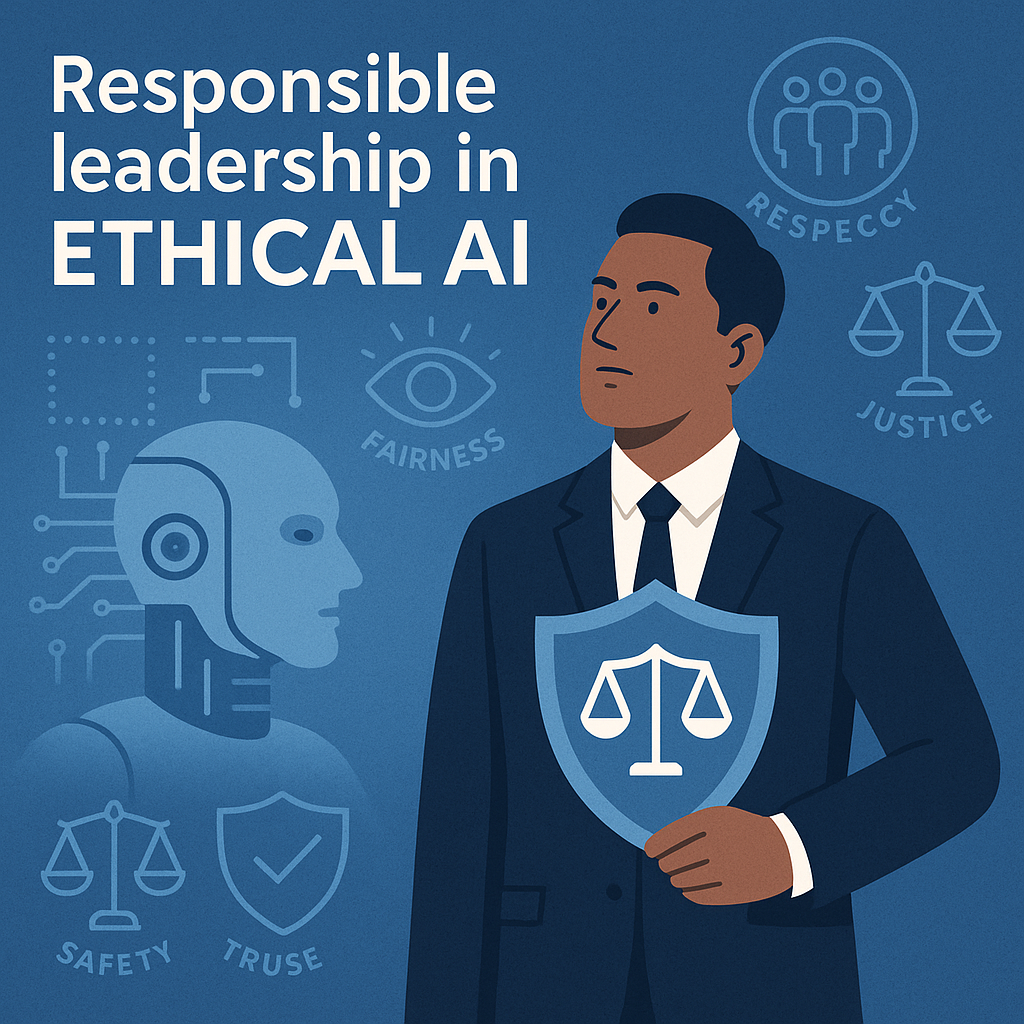
AI and Ethics: Navigating the Future of Technology
As artificial intelligence (AI) continues to advance at a rapid pace, the ethical implications of its integration into society have become a pressing concern. From autonomous vehicles to facial recognition software, AI technologies are reshaping industries and everyday life. However, with these innovations come significant ethical challenges that must be addressed to ensure a fair and just future.
The Dual-Edged Sword of AI
AI has the potential to revolutionize sectors such as healthcare, finance, and transportation by improving efficiency and accuracy. For instance, AI algorithms can analyze vast amounts of data to diagnose diseases earlier or optimize supply chains. However, these benefits are accompanied by risks such as job displacement, privacy invasion, and decision-making biases.
Key Ethical Concerns
Bias and Fairness
A major ethical issue in AI is the potential for bias in algorithmic decision-making. If AI systems are trained on biased data sets, they may perpetuate or even exacerbate existing inequalities. Ensuring fairness requires careful consideration of data sources and continuous monitoring for unintended biases.
Privacy
The use of AI in surveillance and data collection raises significant privacy concerns. Facial recognition technology, for example, can track individuals without their consent, leading to potential abuses of power. Establishing clear regulations around data collection and usage is crucial for protecting individual privacy rights.
Accountability
Determining accountability when AI systems make decisions is another complex issue. In cases where an autonomous vehicle causes an accident or an algorithm denies a loan application unfairly, it can be challenging to pinpoint responsibility. Developing frameworks that assign accountability appropriately is essential for maintaining trust in AI systems.
The Path Forward
Addressing these ethical challenges requires collaboration between technologists, ethicists, policymakers, and the public. Establishing guidelines and standards for ethical AI development is a critical step toward mitigating risks while harnessing the benefits of this powerful technology.
- Transparent Algorithms: Encouraging transparency in how algorithms operate can help identify biases and build trust among users.
- Diverse Data Sets: Using diverse data sets during training can reduce bias in AI systems.
- Regulatory Frameworks: Governments should implement regulations that protect privacy while promoting innovation.
- Ethical Training: Incorporating ethics into computer science education can prepare future developers to consider the broader implications of their work.
The intersection of AI and ethics presents both challenges and opportunities. By proactively addressing ethical concerns today, society can ensure that AI technologies contribute positively to humanity’s future rather than exacerbating existing problems.
Exploring the Benefits of AI and Ethics: Enhancing Decision-Making, Promoting Fairness, and Advancing Innovation
- AI can enhance decision-making processes by providing data-driven insights and reducing human error.
- Ethical AI frameworks promote fairness and equality by minimizing biases in algorithmic decision-making.
- AI technologies have the potential to improve healthcare outcomes through personalized treatment plans and early disease detection.
- By automating repetitive tasks, AI can free up human resources for more creative and strategic endeavors.
- Ethical considerations in AI development foster trust among users and stakeholders, leading to greater acceptance of new technologies.
- AI-powered tools enable faster analysis of complex data sets, facilitating research advancements in various fields.
Addressing Ethical Challenges in AI: Bias, Privacy, and Accountability Concerns
- Potential for bias in algorithmic decision-making, leading to unfair treatment of individuals based on race, gender, or other factors.
- Privacy concerns arising from the use of AI in surveillance and data collection, threatening individual freedoms and autonomy.
- Difficulty in assigning accountability when AI systems make errors or harmful decisions, raising questions about legal responsibility and oversight.
AI can enhance decision-making processes by providing data-driven insights and reducing human error.
AI has the potential to significantly enhance decision-making processes by offering data-driven insights that minimize human error. By analyzing vast amounts of data quickly and accurately, AI systems can identify patterns and trends that might be overlooked by human analysts. This capability allows organizations to make more informed decisions based on empirical evidence rather than intuition or incomplete information. For example, in healthcare, AI can assist doctors in diagnosing diseases by evaluating medical images with a high degree of precision, thereby reducing diagnostic errors. In finance, AI algorithms can predict market trends and assess risks more effectively than traditional methods, leading to more strategic investment decisions. By providing objective analysis and reducing the likelihood of human error, AI empowers decision-makers to achieve better outcomes across various domains.
Ethical AI frameworks promote fairness and equality by minimizing biases in algorithmic decision-making.
Ethical AI frameworks play a crucial role in promoting fairness and equality by actively working to minimize biases in algorithmic decision-making. These frameworks guide the development and deployment of AI systems, ensuring that they are trained on diverse and representative data sets. By doing so, they help prevent the perpetuation of existing inequalities and discrimination that can arise from biased data. Additionally, ethical AI frameworks encourage transparency and accountability, allowing for regular audits and assessments to identify and rectify any inadvertent biases. This proactive approach not only enhances the reliability of AI systems but also fosters public trust in technology, paving the way for more equitable outcomes across various sectors such as hiring, lending, and law enforcement.
AI technologies have the potential to improve healthcare outcomes through personalized treatment plans and early disease detection.
AI technologies hold significant promise in transforming healthcare by enabling personalized treatment plans and early disease detection. By analyzing vast amounts of patient data, AI can identify patterns and predict health outcomes with remarkable accuracy. This capability allows for the development of tailored treatment plans that cater to the unique needs of each patient, improving the effectiveness of interventions. Additionally, AI’s ability to detect diseases at an early stage can lead to timely treatments, potentially saving lives and reducing healthcare costs. As AI continues to evolve, its integration into healthcare systems could lead to more efficient, accurate, and personalized care for patients worldwide.
By automating repetitive tasks, AI can free up human resources for more creative and strategic endeavors.
AI’s ability to automate repetitive tasks offers significant advantages by allowing human resources to focus on more creative and strategic endeavors. In many industries, routine tasks such as data entry, scheduling, and basic customer service can be efficiently handled by AI systems. This shift not only increases productivity but also enhances job satisfaction by freeing employees from monotonous duties. As a result, individuals can dedicate their time to activities that require critical thinking, innovation, and problem-solving. By leveraging AI for automation, organizations can foster a more dynamic work environment where human creativity and strategic planning drive growth and success.
Ethical considerations in AI development foster trust among users and stakeholders, leading to greater acceptance of new technologies.
Ethical considerations in AI development play a crucial role in fostering trust among users and stakeholders, which is essential for the widespread acceptance of new technologies. When AI systems are designed with transparency, fairness, and accountability in mind, they are more likely to gain the confidence of those who interact with them. By addressing ethical concerns such as bias, privacy, and accountability proactively, developers can demonstrate their commitment to responsible innovation. This trust not only facilitates smoother integration of AI solutions into various sectors but also encourages collaboration between technologists, policymakers, and the public. As a result, ethical AI development can lead to broader societal acceptance and support for technological advancements that have the potential to improve lives.
AI-powered tools enable faster analysis of complex data sets, facilitating research advancements in various fields.
AI-powered tools have revolutionized the way researchers approach complex data sets, enabling faster and more efficient analysis than ever before. By leveraging machine learning algorithms and advanced computational techniques, these tools can process vast amounts of information in a fraction of the time it would take using traditional methods. This capability is particularly beneficial in fields such as genomics, climate science, and epidemiology, where timely insights can lead to significant breakthroughs. For instance, AI can identify patterns and correlations within massive data sets that might be overlooked by human analysts, thereby accelerating the pace of discovery and innovation. As a result, AI not only enhances research capabilities but also opens new avenues for exploration across various disciplines.
Potential for bias in algorithmic decision-making, leading to unfair treatment of individuals based on race, gender, or other factors.
The potential for bias in algorithmic decision-making is a significant ethical concern in the development and deployment of AI technologies. Algorithms are often trained on large data sets that may inadvertently reflect existing societal biases, leading to unfair treatment of individuals based on race, gender, or other factors. For instance, if an AI system used for hiring decisions is trained on data from a predominantly male workforce, it might favor male candidates over equally qualified female candidates. Similarly, facial recognition technologies have been shown to have higher error rates for people of color compared to white individuals. These biases not only perpetuate existing inequalities but can also exacerbate them by embedding discriminatory practices into automated systems. Addressing this issue requires careful scrutiny of the data used to train AI models and ongoing monitoring to ensure fairness and equity in their outcomes.
Privacy concerns arising from the use of AI in surveillance and data collection, threatening individual freedoms and autonomy.
The integration of AI into surveillance systems and data collection processes poses significant privacy concerns, threatening individual freedoms and autonomy. As AI technologies become more sophisticated, they enable unprecedented levels of monitoring and data analysis, often without individuals’ knowledge or consent. This capability raises the risk of intrusive surveillance practices that can track personal activities, behaviors, and even predict future actions. Such pervasive observation not only undermines the right to privacy but also creates an environment where individuals may feel constantly watched, potentially stifling free expression and self-determination. To safeguard personal freedoms, it is crucial to establish robust legal frameworks and ethical guidelines that regulate the use of AI in surveillance, ensuring transparency and accountability while protecting citizens’ rights.
Difficulty in assigning accountability when AI systems make errors or harmful decisions, raising questions about legal responsibility and oversight.
One significant ethical challenge with AI systems is the difficulty in assigning accountability when they make errors or harmful decisions. As AI technologies become more autonomous, determining who is legally responsible for their actions becomes increasingly complex. For instance, if an autonomous vehicle causes an accident or a predictive algorithm results in discriminatory practices, it is not always clear whether the blame lies with the developers, the users, or the AI itself. This ambiguity raises critical questions about legal responsibility and oversight, as existing legal frameworks may not adequately address the nuances of AI decision-making. Without clear guidelines and accountability measures, there is a risk of undermining public trust in AI systems and failing to provide justice for those affected by their mistakes.