Artificial Intelligence 101: Understanding the Basics
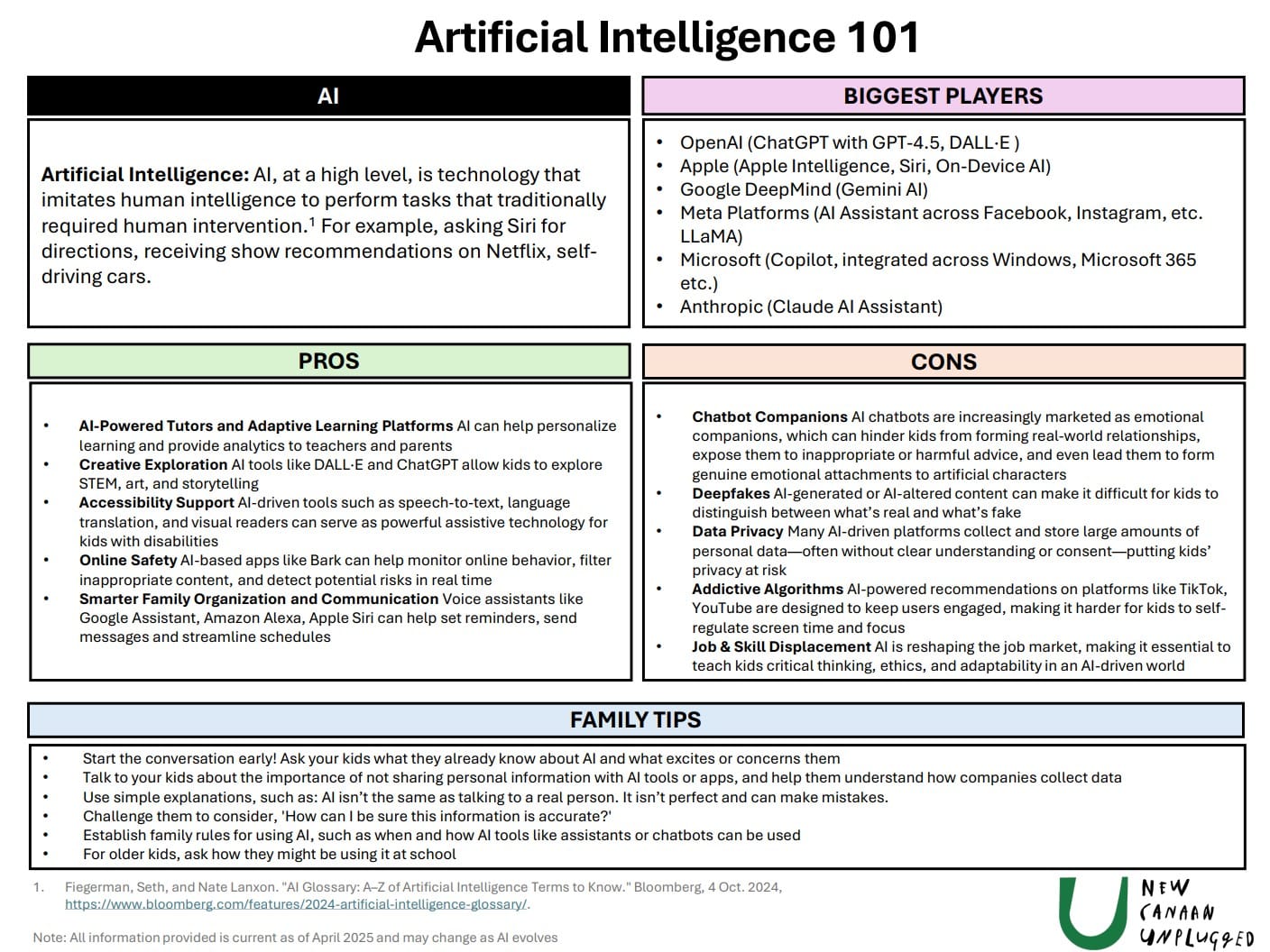
Artificial Intelligence (AI) is a field of computer science that aims to create machines capable of performing tasks that typically require human intelligence. These tasks include problem-solving, understanding natural language, recognizing patterns, and making decisions.
What is Artificial Intelligence?
At its core, AI involves the development of algorithms that allow computers to learn from and adapt to new data. This learning process enables AI systems to improve their performance over time without being explicitly programmed for every specific task.
Types of Artificial Intelligence
- Narrow AI: Also known as Weak AI, this type is designed to perform a narrow task, such as facial recognition or internet searches. Most AI applications in use today fall under this category.
- General AI: Known as Strong AI, this type would have the ability to understand and reason across a wide range of topics just like a human. General AI remains largely theoretical at this stage.
- Superintelligent AI: This is a hypothetical form of AI that surpasses human intelligence across all fields. It remains a subject of speculation and debate among experts.
How Does Artificial Intelligence Work?
The foundation of most modern AI systems lies in machine learning, a subset of AI focused on building systems that can learn from data. Machine learning models are trained using large datasets and statistical techniques to identify patterns and make predictions or decisions without explicit programming for each task.
Another crucial aspect is neural networks, which are designed to mimic the structure and function of the human brain. These networks consist of layers of interconnected nodes (neurons) that process information in ways similar to biological brains.
Applications of Artificial Intelligence
The impact of AI can be seen across various industries:
- Healthcare: AI assists in diagnosing diseases, personalizing treatment plans, and even predicting patient outcomes through data analysis.
- Finance: From fraud detection to algorithmic trading, financial institutions leverage AI for improved accuracy and efficiency.
- Agriculture: Precision farming uses AI for crop monitoring, pest control, and optimizing resource usage.
- E-commerce: Personalized recommendations and customer service chatbots enhance user experience through AI technologies.
- Transportation: Autonomous vehicles utilize complex algorithms for navigation and safety features.
The Future of Artificial Intelligence
The future holds immense potential for artificial intelligence as advancements continue at a rapid pace. While there are concerns about ethical implications such as job displacement and privacy issues, responsible development can lead to significant societal benefits. As researchers work towards creating more advanced forms like General or Superintelligent AI, ongoing discussions about safety standards remain crucial for ensuring positive outcomes from these powerful technologies.
Artificial Intelligence 101: Basics, Key Elements, Self-Learning Tips, Types, and the 7 C’s
- What are the basics of artificial intelligence?
- What are the three 3 key elements for AI?
- How can I learn AI myself?
- What are the 4 types of AI?
- What are the 7 C’s of artificial intelligence?
What are the basics of artificial intelligence?
Understanding the basics of artificial intelligence involves grasping key concepts such as machine learning, neural networks, and natural language processing. Machine learning is a subset of AI that focuses on creating systems capable of learning and improving from experience without explicit programming. Neural networks, inspired by the human brain’s structure, are used to recognize patterns and solve complex problems. Natural language processing enables machines to understand and respond to human language, facilitating communication between humans and computers. Additionally, AI systems rely on large datasets and algorithms to identify trends, make decisions, and perform tasks traditionally requiring human intelligence. These foundational elements collectively contribute to the development of AI technologies that are increasingly integrated into various aspects of daily life.
What are the three 3 key elements for AI?
When discussing the key elements of artificial intelligence, three fundamental components often come to the forefront: data, algorithms, and computing power. Data serves as the foundational element, as AI systems require vast amounts of information to learn and make informed decisions. This data can be sourced from various domains and is used to train machine learning models. Algorithms are the mathematical formulas and processes that allow AI systems to identify patterns, make predictions, and improve over time. These algorithms enable machines to process data efficiently and perform tasks that mimic human intelligence. Finally, computing power is essential for handling complex computations and processing large datasets quickly. Advances in hardware technology, such as GPUs (graphics processing units) and TPUs (tensor processing units), have significantly enhanced the ability of AI systems to learn from data at scale, making them more powerful and effective in various applications.
How can I learn AI myself?
Learning AI independently is an achievable goal with the wealth of resources available today. Start by building a strong foundation in mathematics, particularly in linear algebra, calculus, and probability, as these are crucial for understanding AI algorithms. Familiarize yourself with programming languages commonly used in AI, such as Python, which offers numerous libraries like TensorFlow and PyTorch for machine learning projects. Online courses from platforms like Coursera, edX, and Udacity provide structured learning paths and cover essential topics ranging from basic concepts to advanced techniques. Additionally, participating in online forums and communities can offer support and insights from fellow learners and professionals. Practical experience is key; therefore, work on small projects or contribute to open-source initiatives to apply your knowledge and enhance your skills over time.
What are the 4 types of AI?
In the realm of artificial intelligence, there are generally four types recognized, each representing a different level of capability and complexity. The first type is **Reactive Machines**, which are the most basic form of AI. These systems can only respond to specific inputs with predefined outputs and do not have the ability to learn from past experiences. An example is IBM’s Deep Blue, which was designed to play chess. The second type is **Limited Memory** AI, which can use past experiences to inform future decisions for a short period of time. This is commonly seen in self-driving cars that observe other vehicles’ speeds and directions to make driving decisions. The third type is **Theory of Mind** AI, which remains largely theoretical at this stage. It would involve understanding human emotions and thoughts, allowing machines to interact more naturally with people. Finally, **Self-aware AI** represents the most advanced form and is purely hypothetical at present. This type would possess consciousness and self-awareness akin to human beings, potentially enabling them to understand their own existence and make independent decisions based on that awareness.
What are the 7 C’s of artificial intelligence?
The “7 C’s of Artificial Intelligence” is a framework that outlines key components essential for understanding and implementing AI effectively. These components include Collaboration, which emphasizes the importance of teamwork between AI systems and humans; Comprehension, focusing on the AI’s ability to understand and process information; Computation, referring to the processing power required for AI tasks; Communication, highlighting how AI systems interact with users and other systems; Connection, which involves integrating AI with other technologies and data sources; Creativity, representing the innovative potential of AI in generating new ideas or solutions; and Cognition, which relates to the decision-making capabilities of AI systems. Together, these elements provide a comprehensive approach to developing and utilizing artificial intelligence in various applications.