The Art of Asking the Best Interview Questions
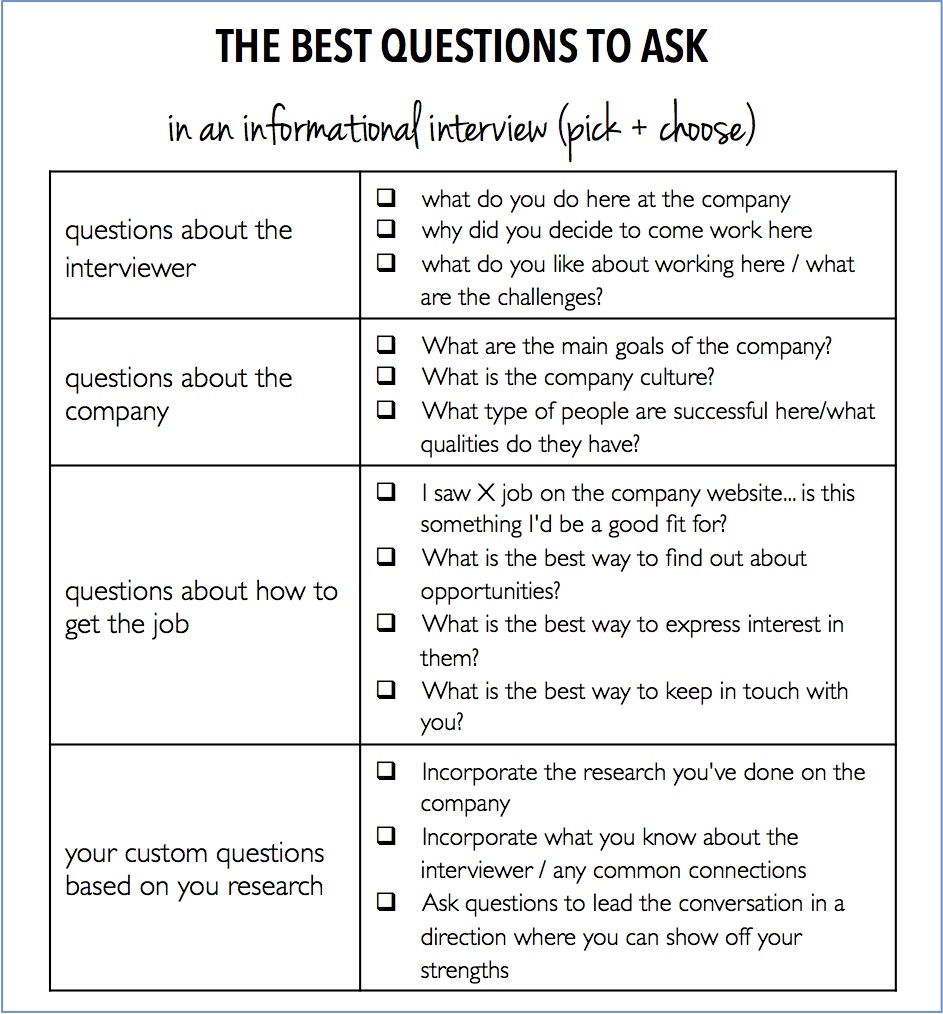
Interviews are a crucial part of the hiring process, allowing employers to assess a candidate’s qualifications, skills, and cultural fit. One key aspect of conducting a successful interview is asking the right questions. The best interview questions not only provide valuable insights into a candidate’s capabilities but also help gauge their personality and potential for success within the organization.
Types of Interview Questions
There are several types of interview questions that can be used to evaluate candidates:
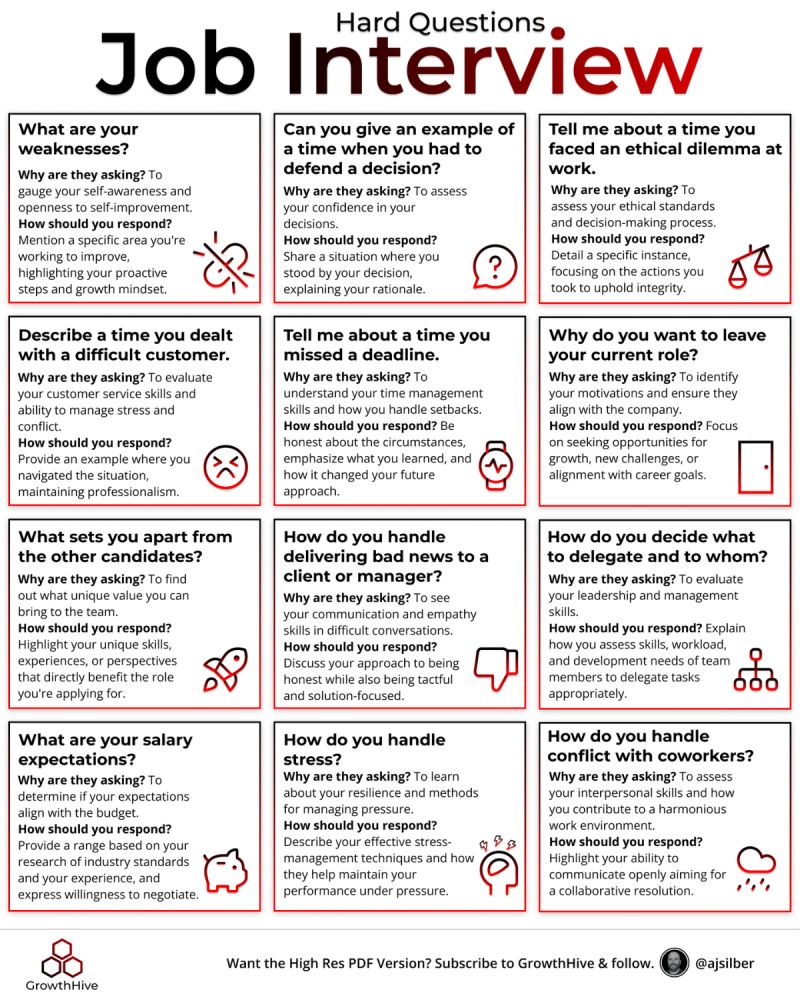
- Behavioral Questions: These questions ask candidates to provide specific examples of past behaviors or experiences. They help assess how candidates have handled various situations in the past and predict how they may perform in similar scenarios in the future.
- Situational Questions: Situational questions present hypothetical scenarios that candidates may face on the job. Candidates are asked how they would respond or handle these situations, allowing employers to evaluate their problem-solving skills and decision-making abilities.
- Technical Questions: Technical questions assess a candidate’s knowledge and expertise in specific areas relevant to the job role. These questions are particularly important for roles that require specialized skills or technical proficiency.
Examples of Best Interview Questions
Here are some examples of best interview questions that can help you gain valuable insights into a candidate’s qualifications and suitability for the role:
- “Can you describe a challenging project you worked on and how you overcame obstacles to achieve success?” (Behavioral)
- “How would you handle a situation where you disagreed with a team member on an important project decision?” (Situational)
- “Can you walk me through your experience with [specific technology or tool relevant to the role]?” (Technical)
Tips for Asking Effective Interview Questions
To ensure that your interview questions elicit meaningful responses and help you make informed hiring decisions, consider the following tips:
- Be Specific: Ask targeted questions that relate directly to the job requirements and responsibilities.
- Avoid Yes/No Questions: Encourage candidates to provide detailed responses by asking open-ended questions that require more than a simple yes or no answer.
- Listen Actively: Pay attention to not only what candidates say but also how they communicate their responses. Non-verbal cues can offer valuable insights into a candidate’s demeanor and communication style.
In conclusion, mastering the art of asking the best interview questions is essential for identifying top talent and making successful hiring decisions. By crafting thoughtful and relevant questions tailored to each job opening, employers can gain deeper insights into candidates’ qualifications, skills, and potential contributions to their organizations.
Top 7 FAQs on Crafting and Using Effective Interview Questions
- What are the best interview questions to ask candidates?
- How can I create effective interview questions?
- What types of interview questions should I use in the hiring process?
- Can you provide examples of behavioral interview questions?
- What are some common situational interview questions?
- How do technical interview questions help assess a candidate’s skills?
- What tips can help me ask better interview questions during job interviews?
What are the best interview questions to ask candidates?
When considering the best interview questions to ask candidates, it is essential to tailor them to the specific job role and company culture. Behavioral questions that prompt candidates to share past experiences and situational questions that assess problem-solving skills are often effective in evaluating a candidate’s capabilities. Additionally, asking technical questions relevant to the job requirements can help gauge a candidate’s expertise in key areas. Ultimately, the best interview questions are those that provide valuable insights into a candidate’s qualifications, personality, and potential fit within the organization.
How can I create effective interview questions?
Creating effective interview questions is a critical aspect of the hiring process that can significantly impact the quality of candidate evaluations. To develop impactful interview questions, start by clearly defining the key competencies and skills required for the role. Tailor your questions to assess these specific qualifications, using a mix of behavioral, situational, and technical inquiries to gain a comprehensive understanding of candidates’ capabilities. Additionally, consider incorporating questions that probe into candidates’ problem-solving abilities, communication skills, and cultural fit within the organization. By structuring thoughtful and relevant interview questions that align with the job requirements, you can enhance the interview process and make more informed decisions when evaluating potential hires.
What types of interview questions should I use in the hiring process?
When considering the types of interview questions to use in the hiring process, it is essential to incorporate a variety of question styles to gain a comprehensive understanding of candidates. Behavioral questions can provide insights into past experiences and behaviors, situational questions assess problem-solving skills, and technical questions evaluate specific knowledge and expertise. By incorporating a mix of these question types, employers can effectively assess candidates’ qualifications, skills, and fit for the role. Tailoring interview questions to the job requirements ensures that the hiring process is thorough and insightful, ultimately leading to informed hiring decisions.
Can you provide examples of behavioral interview questions?
Employers often inquire about examples of behavioral interview questions to assess candidates’ past experiences and behaviors in specific situations. Behavioral interview questions typically prompt candidates to share real-life examples of how they handled challenges or demonstrated key skills in previous roles. For instance, a common behavioral question could be, “Can you describe a time when you had to resolve a conflict within your team?” Such questions help employers evaluate a candidate’s problem-solving abilities, communication skills, and overall fit for the role based on concrete examples from their professional history.
What are some common situational interview questions?
When it comes to conducting interviews, one frequently asked question revolves around common situational interview questions. Situational interview questions are designed to assess a candidate’s problem-solving abilities, decision-making skills, and how they would handle specific scenarios in the workplace. Some common situational interview questions include inquiries about how a candidate would handle conflicts within a team, prioritize tasks under tight deadlines, or address a challenging situation with a difficult client. These questions provide valuable insights into a candidate’s thought process, approach to challenges, and ability to navigate complex work environments effectively.
How do technical interview questions help assess a candidate’s skills?
Technical interview questions play a crucial role in evaluating a candidate’s skills by assessing their practical knowledge and expertise in specific areas relevant to the job role. These questions are designed to test a candidate’s ability to apply theoretical concepts to real-world scenarios, solve complex problems, and demonstrate proficiency in key technical areas. By posing technical interview questions, employers can gauge a candidate’s depth of understanding, problem-solving capabilities, and adaptability to challenges commonly encountered in the workplace. Additionally, these questions provide valuable insights into a candidate’s thought process, analytical skills, and overall suitability for the role based on their responses and approach to solving technical problems.
What tips can help me ask better interview questions during job interviews?
When seeking to enhance the quality of interview questions posed during job interviews, several tips can prove beneficial. Firstly, it is essential to tailor questions to the specific job role and organizational culture, ensuring relevance and effectiveness. Secondly, incorporating a mix of behavioral, situational, and technical questions can provide a comprehensive understanding of a candidate’s capabilities and potential fit within the company. Additionally, asking open-ended questions that prompt detailed responses allows for deeper insights into a candidate’s thought processes and problem-solving skills. Active listening during interviews is crucial to fully grasp candidates’ responses and assess their communication abilities. By implementing these tips, interviewers can effectively craft better interview questions that lead to informed hiring decisions and successful candidate selections.