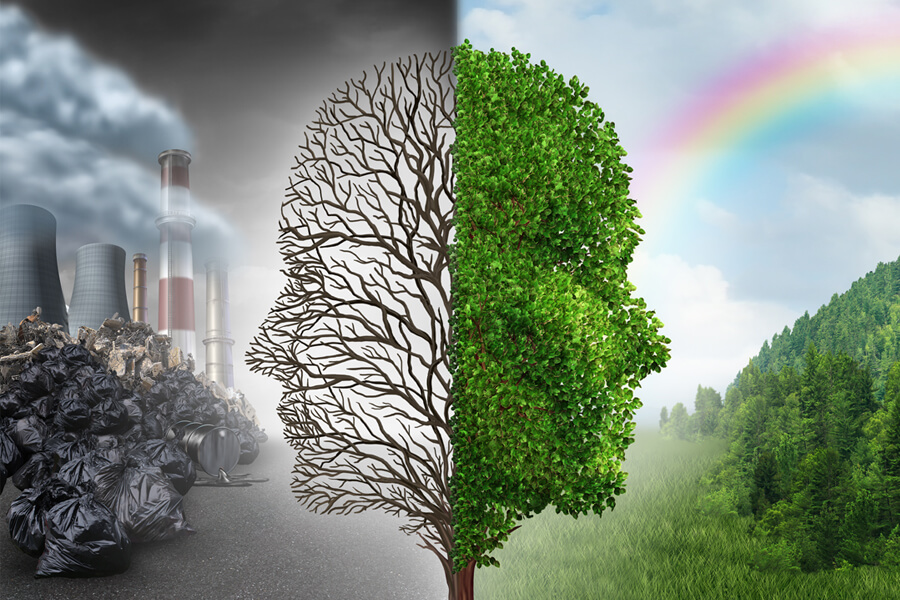
The Importance of Environment and Sustainability
Environment and sustainability are two interconnected concepts that play a crucial role in the well-being of our planet and future generations. The environment encompasses everything around us, including the air we breathe, the water we drink, and the resources we use. Sustainability, on the other hand, focuses on meeting our current needs without compromising the ability of future generations to meet their own needs.
One of the biggest challenges we face today is climate change, a direct result of human activities that have led to increased greenhouse gas emissions and global warming. The impact of climate change is evident in rising sea levels, extreme weather events, and loss of biodiversity. To address these challenges, it is essential to adopt sustainable practices that reduce our carbon footprint and protect our environment.
Conserving natural resources is another key aspect of sustainability. By using resources efficiently and promoting renewable energy sources, we can minimize waste and reduce environmental degradation. Recycling, reusing, and reducing consumption are simple yet effective ways to contribute to a more sustainable future.
Protecting biodiversity is also essential for maintaining a healthy environment. Ecosystems rely on a diverse range of species to function properly, providing essential services such as pollination, water purification, and climate regulation. By preserving habitats and preventing species extinction, we can ensure the long-term health of our planet.
Individual actions play a significant role in promoting environmental sustainability. Simple changes in daily habits, such as using reusable products, conserving energy, and supporting eco-friendly businesses, can make a positive impact on the environment. Education and awareness are key drivers for inspiring collective action towards a more sustainable world.
In conclusion, environment and sustainability are vital considerations for safeguarding the health of our planet and securing a better future for all living beings. By prioritizing sustainable practices and working together towards common goals, we can create a more resilient and harmonious world for generations to come.
Understanding Environmental Sustainability: Key Concepts and Principles
- What is an example of environment sustainability?
- What do you mean by environment and sustainability?
- What are the 3 environmental factors of sustainability?
- How does sustainability relate to the environment?
- What are the 4 principles of environmental sustainability?
- What are the 4 aspects for sustainability in an environment?
What is an example of environment sustainability?
Environment sustainability can be exemplified by the practice of implementing renewable energy sources, such as solar power or wind energy, to reduce reliance on fossil fuels and minimize carbon emissions. By harnessing natural resources that are abundant and replenishable, we can meet our energy needs in a way that is environmentally friendly and sustainable in the long term. This shift towards renewable energy not only helps combat climate change but also promotes a cleaner and healthier environment for current and future generations.
What do you mean by environment and sustainability?
When we talk about environment and sustainability, we are referring to the intricate relationship between our surroundings and the actions we take to ensure a balance between present needs and future well-being. The environment encompasses all living and non-living elements that surround us, including air, water, land, and ecosystems. Sustainability, on the other hand, involves making choices that support ecological balance, social equity, and economic prosperity without depleting natural resources or harming the environment. In essence, environment and sustainability are intertwined concepts that emphasize the importance of preserving our planet for current and future generations by responsibly managing resources and minimizing environmental impact.
What are the 3 environmental factors of sustainability?
When discussing sustainability, three key environmental factors come into play: resource conservation, biodiversity preservation, and climate stability. Resource conservation involves using natural resources efficiently and minimizing waste to ensure their availability for future generations. Biodiversity preservation focuses on protecting the variety of species and ecosystems that contribute to the health of our planet. Climate stability addresses the need to reduce greenhouse gas emissions and mitigate the impact of climate change on our environment. By considering these three environmental factors, we can work towards a more sustainable future for our planet.
How does sustainability relate to the environment?
Sustainability is closely intertwined with the environment as it focuses on maintaining a balance between meeting present needs and preserving resources for future generations. In the context of environmental sustainability, the emphasis is on minimizing negative impacts on ecosystems, reducing pollution, conserving natural resources, and promoting practices that support long-term ecological health. By integrating sustainable principles into decision-making processes and daily activities, we can ensure that our actions contribute to a healthy environment that can thrive and provide for both current and future inhabitants of our planet.
What are the 4 principles of environmental sustainability?
Environmental sustainability is guided by four key principles that serve as a foundation for creating a healthier and more balanced relationship between humans and the natural world. The first principle focuses on interdependence, emphasizing the interconnectedness of all living organisms and ecosystems. The second principle, stewardship, highlights the importance of responsible management and conservation of resources for present and future generations. The third principle, social equity, underscores the need for fair distribution of environmental benefits and burdens among communities. Lastly, ecological integrity stresses the preservation of biodiversity and ecosystem health to ensure long-term sustainability. By adhering to these principles, we can strive towards a more sustainable future where environmental protection and human well-being go hand in hand.
What are the 4 aspects for sustainability in an environment?
Sustainability in an environment encompasses four key aspects that are essential for maintaining ecological balance and promoting long-term well-being. These aspects include environmental, social, economic, and cultural sustainability. Environmental sustainability focuses on preserving natural resources, reducing pollution, and protecting biodiversity. Social sustainability involves promoting equity, social justice, and community well-being. Economic sustainability emphasizes responsible resource management, fair trade practices, and economic stability. Cultural sustainability entails preserving cultural heritage, traditions, and values that are integral to the identity of communities. By addressing these four aspects of sustainability holistically, we can work towards a more harmonious relationship between humans and the environment for a sustainable future.