The Meaning of Ethical Dilemma: Navigating Complex Moral Challenges
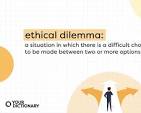
When faced with a situation where one must choose between two conflicting moral principles, individuals encounter what is known as an ethical dilemma. These dilemmas often present themselves in various aspects of life, from personal relationships to professional settings, and can pose significant challenges to decision-making.
At the core of an ethical dilemma lies the tension between right and wrong, where each possible course of action carries its own set of consequences and moral implications. Individuals grappling with ethical dilemmas may find themselves torn between honoring their personal values and fulfilling their obligations to others or society at large.
One common feature of ethical dilemmas is the absence of a clear-cut solution that satisfies all parties involved. This ambiguity can lead to feelings of uncertainty, guilt, or moral distress as individuals weigh the potential outcomes of their choices.
Moreover, ethical dilemmas often require individuals to consider not only the immediate consequences of their actions but also the broader impact on stakeholders and the greater good. This complexity adds layers of nuance to decision-making processes and underscores the importance of thoughtful reflection and ethical reasoning.
In navigating ethical dilemmas, individuals may draw upon various ethical frameworks, such as utilitarianism, deontology, virtue ethics, or ethical relativism, to guide their thinking and evaluate potential courses of action. These frameworks provide structured approaches for analyzing moral conflicts and assessing the implications of different choices.
Ultimately, confronting an ethical dilemma demands a commitment to integrity, empathy, and critical thinking. By engaging in meaningful dialogue, seeking guidance from trusted mentors or advisors, and reflecting on one’s values and principles, individuals can navigate complex moral challenges with greater clarity and conviction.
While ethical dilemmas may test one’s resolve and character, they also offer opportunities for growth, self-discovery, and moral development. By embracing these challenges with courage and compassion, individuals can emerge stronger and more ethically conscious in their decision-making processes.
Understanding Ethical Dilemmas: Definitions, Types, Examples, and Identification
- What is an ethical dilemma in simple words?
- What are the 4 types of ethical dilemmas?
- What is an example of a dilemma situation?
- How to identify an ethical dilemma?
What is an ethical dilemma in simple words?
In simple terms, an ethical dilemma refers to a situation where a person is faced with a difficult choice between two options, both of which have moral implications. It often involves conflicting values or principles, making it challenging to determine the right course of action. Ethical dilemmas require individuals to consider the consequences of their decisions on themselves and others, weighing the ethical implications of each choice. Ultimately, navigating an ethical dilemma involves grappling with complex moral questions and striving to make decisions that align with one’s values and principles.
What are the 4 types of ethical dilemmas?
Ethical dilemmas can manifest in various forms, each presenting unique challenges and considerations. The four primary types of ethical dilemmas include moral distress, moral uncertainty, moral dilemma, and moral outrage. Moral distress arises when individuals recognize the morally right course of action but feel constrained from pursuing it due to external factors or constraints. Moral uncertainty occurs when individuals are unsure about the morally correct choice in a given situation, leading to feelings of ambiguity and indecision. A moral dilemma involves a conflict between two or more equally compelling moral principles, making it difficult to determine the best course of action. Lastly, moral outrage occurs when individuals witness or experience actions that they perceive as deeply unethical or unjust, prompting strong emotional responses and a sense of moral indignation. Understanding these distinct types of ethical dilemmas can help individuals navigate complex moral challenges with greater awareness and ethical clarity.
What is an example of a dilemma situation?
In the context of ethical dilemmas, an example of a dilemma situation could involve a healthcare professional facing the decision of whether to disclose confidential patient information to prevent harm to others. For instance, a therapist learns that their client has made credible threats of violence towards a specific individual. The therapist now faces the ethical dilemma of upholding their duty to maintain client confidentiality while also considering the potential risk to the safety and well-being of the intended victim. This scenario presents a challenging moral quandary where the healthcare professional must navigate conflicting ethical principles and weigh the consequences of their actions on all parties involved.
How to identify an ethical dilemma?
To identify an ethical dilemma, one must first recognize the presence of conflicting moral values or principles in a given situation. Common indicators of an ethical dilemma include feeling torn between two or more courses of action, recognizing that any decision made will have significant consequences for oneself or others, and acknowledging the complexity and ambiguity surrounding the choice at hand. Additionally, ethical dilemmas often involve considerations of fairness, justice, honesty, and the welfare of those affected by the decision. By being attuned to these signs and engaging in thoughtful reflection on the ethical implications of a situation, individuals can begin to discern and navigate the challenging terrain of ethical dilemmas with greater clarity and conscientiousness.