The Art of Asking: Example Interview Questions to Help You Ace Your Next Job Interview
Job interviews can be nerve-wracking experiences, but being prepared with the right answers to common interview questions can help you make a strong impression on your potential employer. Here are some example interview questions along with tips on how to approach them:
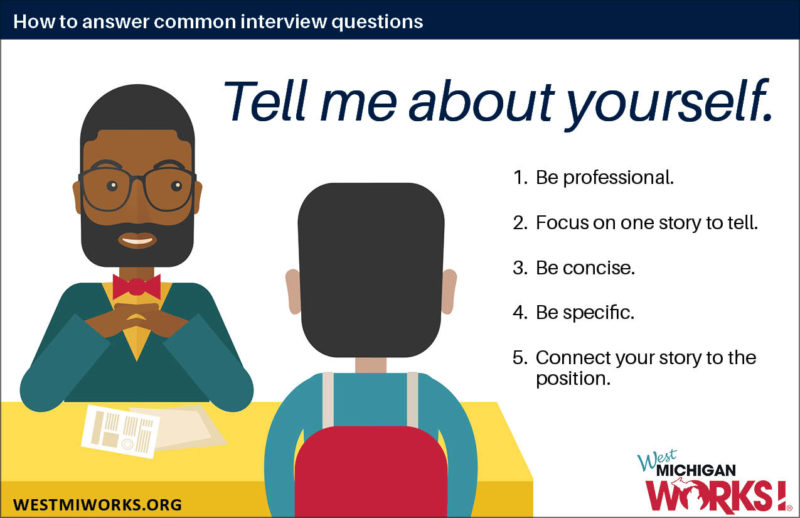
Tell me about yourself.
This open-ended question is often used as an icebreaker. Keep your response concise, focusing on your relevant experience, skills, and achievements that align with the job you are applying for.
What are your strengths and weaknesses?
Highlight your strengths by providing specific examples of how they have benefited your work. When discussing weaknesses, focus on areas where you have taken steps to improve or learn from past experiences.
Why do you want to work for this company?
Showcase your research about the company by mentioning specific reasons such as its values, culture, or recent achievements that resonate with you. Connect your own career goals with what the company has to offer.
Describe a challenging situation you faced at work and how you overcame it.
Use the STAR method (Situation, Task, Action, Result) to structure your response. Be sure to emphasize not only the challenge itself but also the actions you took and the positive outcomes that resulted from your efforts.
Where do you see yourself in five years?
Demonstrate your ambition and long-term career goals while also showing that you have thought about how this position fits into your professional development. Be realistic yet aspirational in your response.
Remember that practicing these example interview questions beforehand can help boost your confidence and ensure that you deliver well-thought-out responses during the actual interview. Good luck!
Mastering Your Interview: 5 Tips for Answering Common Questions with Confidence
- Research common interview questions related to your field or industry.
- Practice answering behavioral questions using the STAR method (Situation, Task, Action, Result).
- Prepare examples from your past experiences that demonstrate your skills and qualifications.
- Be concise and specific in your responses, focusing on relevant details.
- Ask a friend or mentor to conduct mock interviews with you to help refine your answers.
Research common interview questions related to your field or industry.
It is essential to research common interview questions related to your field or industry before heading into a job interview. By familiarizing yourself with the types of questions typically asked in your specific area of expertise, you can better prepare thoughtful and relevant responses that showcase your knowledge and experience. Understanding these industry-specific questions will not only demonstrate your preparedness but also highlight your expertise and suitability for the role. Conducting thorough research beforehand can give you a competitive edge and increase your chances of acing the interview.
Practice answering behavioral questions using the STAR method (Situation, Task, Action, Result).
When preparing for a job interview, it is essential to practice answering behavioral questions using the STAR method (Situation, Task, Action, Result). This structured approach allows you to effectively communicate your experiences by outlining the specific situation or challenge you faced, the tasks involved, the actions you took to address the issue, and the positive results achieved from your efforts. By mastering the STAR method, you can provide clear and concise responses that showcase your problem-solving skills and accomplishments to potential employers.
Prepare examples from your past experiences that demonstrate your skills and qualifications.
When preparing for an interview, it is crucial to have examples from your past experiences that showcase your skills and qualifications. By recounting specific instances where you successfully utilized your abilities to overcome challenges or achieve goals, you provide concrete evidence of your capabilities to potential employers. These examples not only demonstrate your expertise but also help interviewers envision how you could contribute effectively to their organization. Being able to articulate such examples confidently can significantly enhance your credibility and make a compelling case for why you are the right candidate for the job.
Be concise and specific in your responses, focusing on relevant details.
When answering example interview questions, it is crucial to be concise and specific in your responses, honing in on the most relevant details. By providing clear and focused answers, you demonstrate your ability to communicate effectively and showcase your qualifications efficiently. Avoid rambling or going off on tangents, as this can dilute the impact of your response. Instead, aim to highlight key experiences, skills, and achievements that directly align with the question at hand, allowing you to make a compelling case for why you are the ideal candidate for the job.
Ask a friend or mentor to conduct mock interviews with you to help refine your answers.
Consider asking a friend or mentor to conduct mock interviews with you as a valuable strategy to refine your answers to example interview questions. By simulating the interview environment and receiving feedback from someone you trust, you can practice articulating your responses effectively, identify areas for improvement, and enhance your overall performance during the actual job interview. Mock interviews provide a safe space to make mistakes, learn from them, and build confidence in delivering concise and impactful answers that showcase your qualifications and suitability for the position.