The Rise of AI Personal Assistants: Transforming Daily Life
In recent years, artificial intelligence (AI) has made significant strides, particularly in the realm of personal assistants. These AI-driven tools are revolutionizing the way people manage their daily tasks, communicate, and access information. From scheduling meetings to controlling smart home devices, AI personal assistants are becoming indispensable in modern life.
What Are AI Personal Assistants?
AI personal assistants are software programs designed to perform tasks or services for individuals. They utilize natural language processing (NLP), machine learning algorithms, and vast data sets to understand and respond to user commands. Popular examples include Apple’s Siri, Amazon’s Alexa, Google Assistant, and Microsoft’s Cortana.
Key Features and Capabilities
- Voice Recognition: AI personal assistants can recognize and interpret spoken language, allowing users to interact with them hands-free.
- Task Management: Users can set reminders, create to-do lists, and schedule appointments effortlessly.
- Information Access: These assistants can provide quick answers to questions by searching the web or accessing stored data.
- Smart Home Integration: Many AI assistants can control smart home devices such as lights, thermostats, and security systems.
- Personalization: By learning from user interactions over time, these tools offer personalized recommendations and responses.
The Impact on Daily Life
The integration of AI personal assistants into daily routines is transforming how people manage their time and resources. With the ability to automate mundane tasks, users can focus on more important activities. For instance:
- Efficiency: By delegating routine tasks like setting reminders or sending messages, users save valuable time.
- Convenience: The ease of controlling devices through voice commands enhances user convenience at home or work.
- Accessibility: For individuals with disabilities, voice-activated assistants provide greater independence in managing daily activities.
The Future of AI Personal Assistants
The future looks promising for AI personal assistants as technology continues to advance. Developers are constantly working on improving their accuracy and expanding their capabilities. We can expect more seamless integration with various technologies and even greater personalization based on user preferences.
The potential for growth in this field is immense. As these systems become more sophisticated, they will likely play an even larger role in shaping how we interact with technology in our everyday lives.
Conclusion
The rise of AI personal assistants marks a significant shift in how we manage our daily lives. By providing efficiency, convenience, and accessibility through advanced technology solutions tailored specifically for individual needs – these intelligent tools have become an essential part of modern living that will only continue evolving alongside technological advancements over time!
Understanding AI Personal Assistants: Key Questions and Answers
- What is an AI personal assistant?
- How does an AI personal assistant work?
- What are the popular AI personal assistants available?
- What tasks can an AI personal assistant perform?
- Is my privacy at risk when using an AI personal assistant?
What is an AI personal assistant?
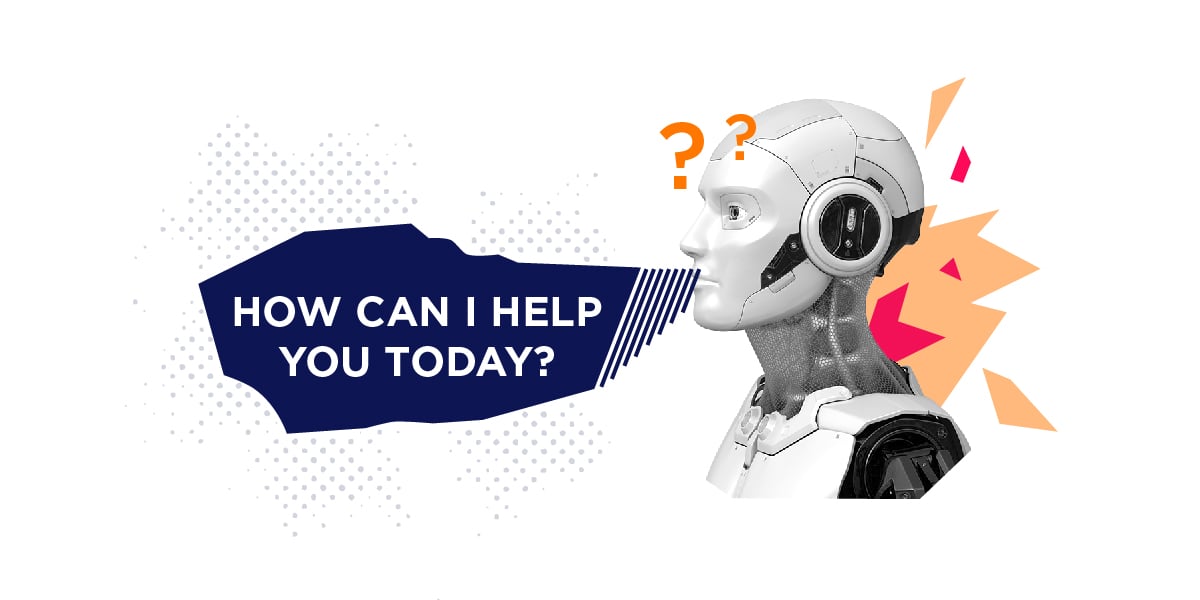
An AI personal assistant is a software application designed to help users perform various tasks through the use of artificial intelligence technologies. These assistants utilize natural language processing (NLP) to understand and respond to voice or text commands, making interactions intuitive and user-friendly. They can manage schedules, set reminders, send messages, provide weather updates, answer questions by searching the internet, and even control smart home devices. By learning from user interactions over time, AI personal assistants can offer personalized recommendations and streamline daily activities, enhancing productivity and convenience in everyday life. Popular examples include Siri from Apple, Amazon’s Alexa, Google Assistant, and Microsoft’s Cortana.
How does an AI personal assistant work?
AI personal assistants work by leveraging a combination of technologies, including natural language processing (NLP), machine learning, and data retrieval systems. When a user gives a command or asks a question, the assistant first processes the input using NLP to understand the intent and context. It then accesses vast databases and uses algorithms to find relevant information or perform the requested task. Machine learning allows these assistants to improve over time by learning from interactions, adapting to user preferences, and offering more personalized responses. By integrating with various applications and devices, AI personal assistants can execute tasks such as setting reminders, sending messages, or controlling smart home gadgets seamlessly.
What are the popular AI personal assistants available?
AI personal assistants have become integral to modern technology, offering a range of functionalities that simplify daily tasks. Among the most popular AI personal assistants are Apple’s Siri, known for its seamless integration with iOS devices and user-friendly interface. Amazon’s Alexa stands out for its extensive smart home capabilities and compatibility with a wide array of third-party devices. Google Assistant is praised for its powerful search capabilities and integration with Google’s ecosystem, providing accurate information and efficient task management. Microsoft’s Cortana, although more focused on productivity tools, offers robust support within the Windows environment. Each assistant brings unique features tailored to different platforms and user needs, making them indispensable tools in today’s digital age.
What tasks can an AI personal assistant perform?
AI personal assistants are designed to handle a wide array of tasks that enhance productivity and convenience in daily life. These tasks include managing schedules by setting reminders and appointments, sending messages, and making phone calls. They can provide real-time information by answering questions, checking the weather, or delivering news updates. Additionally, AI assistants can control smart home devices such as lights, thermostats, and security systems through voice commands. They also help with navigation by offering directions and traffic updates. Over time, these assistants learn user preferences to offer personalized recommendations for music, shopping, or dining options. Overall, AI personal assistants streamline routine activities and make it easier for users to manage their time effectively.
Is my privacy at risk when using an AI personal assistant?
When using an AI personal assistant, privacy concerns are a common issue for many users. These assistants often require access to personal data such as contacts, location, and calendar information to provide personalized services. Additionally, they continuously listen for activation commands, which raises questions about data collection and storage. Companies that develop these assistants typically implement robust security measures and privacy policies to protect user data. However, it is crucial for users to review these policies and adjust privacy settings according to their comfort level. Being informed about how data is used and taking advantage of available privacy controls can help mitigate potential risks.