Understanding AIOps: Revolutionizing IT Operations with Artificial Intelligence
In today’s fast-paced digital landscape, businesses are increasingly relying on complex IT infrastructures to support their operations. As these systems grow in complexity, the need for efficient management and monitoring becomes paramount. Enter AIOps, or Artificial Intelligence for IT Operations, a transformative approach that leverages artificial intelligence to enhance and automate various aspects of IT operations.
What is AIOps?
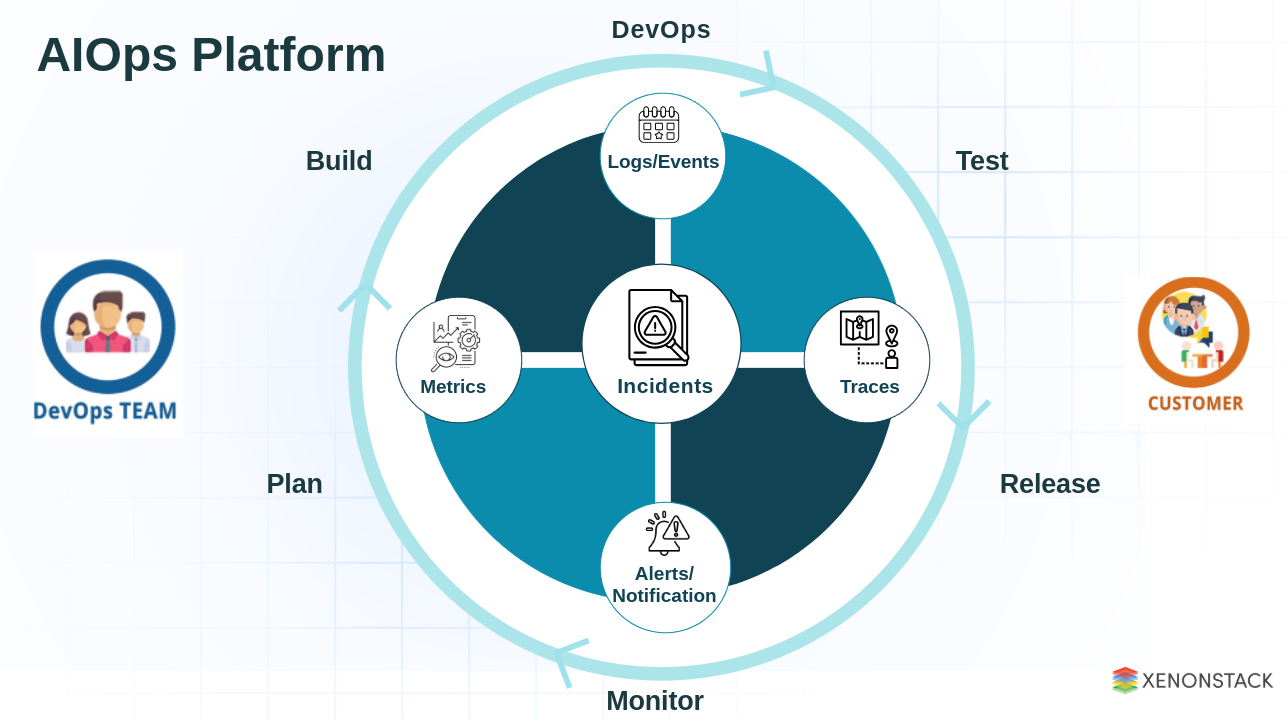
AIOps refers to the application of AI technologies, such as machine learning and data analytics, to automate and improve IT operations processes. By analyzing vast amounts of data generated by IT environments, AIOps platforms can identify patterns, detect anomalies, and provide actionable insights in real-time. This enables organizations to proactively address potential issues before they impact business operations.
The Benefits of Implementing AIOps
- Enhanced Efficiency: AIOps automates routine tasks such as data collection and analysis, freeing up IT teams to focus on more strategic initiatives.
- Improved Incident Management: By rapidly identifying the root cause of incidents, AIOps reduces mean time to resolution (MTTR) and minimizes downtime.
- Predictive Insights: With advanced analytics capabilities, AIOps can predict future issues based on historical data trends, allowing teams to take preventive measures.
- Scalability: As organizations grow, AIOps scales seamlessly with their infrastructure needs without requiring proportional increases in human resources.
Key Components of an AIOps Platform
- Data Ingestion: Collects data from various sources such as logs, metrics, events, and alerts across the entire IT environment.
- Data Analysis: Utilizes machine learning algorithms to process and analyze large volumes of data in real-time.
- Anomaly Detection: Identifies unusual patterns or behaviors that may indicate potential issues within the system.
- Causal Analysis: Determines the root cause of detected anomalies or incidents for faster resolution.
- Automation: Executes automated responses or workflows based on predefined rules or AI-driven recommendations.
The Future of AIOps
The adoption of AIOps is poised to grow as more organizations recognize its potential to transform IT operations. As AI technologies continue to advance, we can expect even more sophisticated capabilities from AIOps platforms. These advancements will further enhance predictive accuracy and automation efficiency while enabling seamless integration with other emerging technologies like edge computing and IoT.
Ahead lies a future where AI-driven insights empower businesses not only reactively but also proactively—anticipating challenges before they arise—and ultimately driving innovation across industries worldwide through streamlined operational excellence powered by artificial intelligence at its core!
8 Benefits of AI Ops: Boosting Efficiency, Proactive Management, and Seamless Integration
- Enhances operational efficiency by automating routine tasks.
- Improves incident management with faster root cause identification.
- Provides predictive insights to prevent potential issues before they occur.
- Scales seamlessly with organizational growth without proportional resource increases.
- Optimizes resource allocation and utilization for better cost-effectiveness.
- Enables proactive monitoring and maintenance of IT systems in real-time.
- Enhances decision-making through data-driven analytics and recommendations.
- Facilitates seamless integration with other emerging technologies for comprehensive IT management.
Challenges of AI Ops: Data Dependency, High Costs, Integration Complexity, and Job Impact
- Dependency on Data Quality
- Initial Implementation Costs
- Complexity of Integration
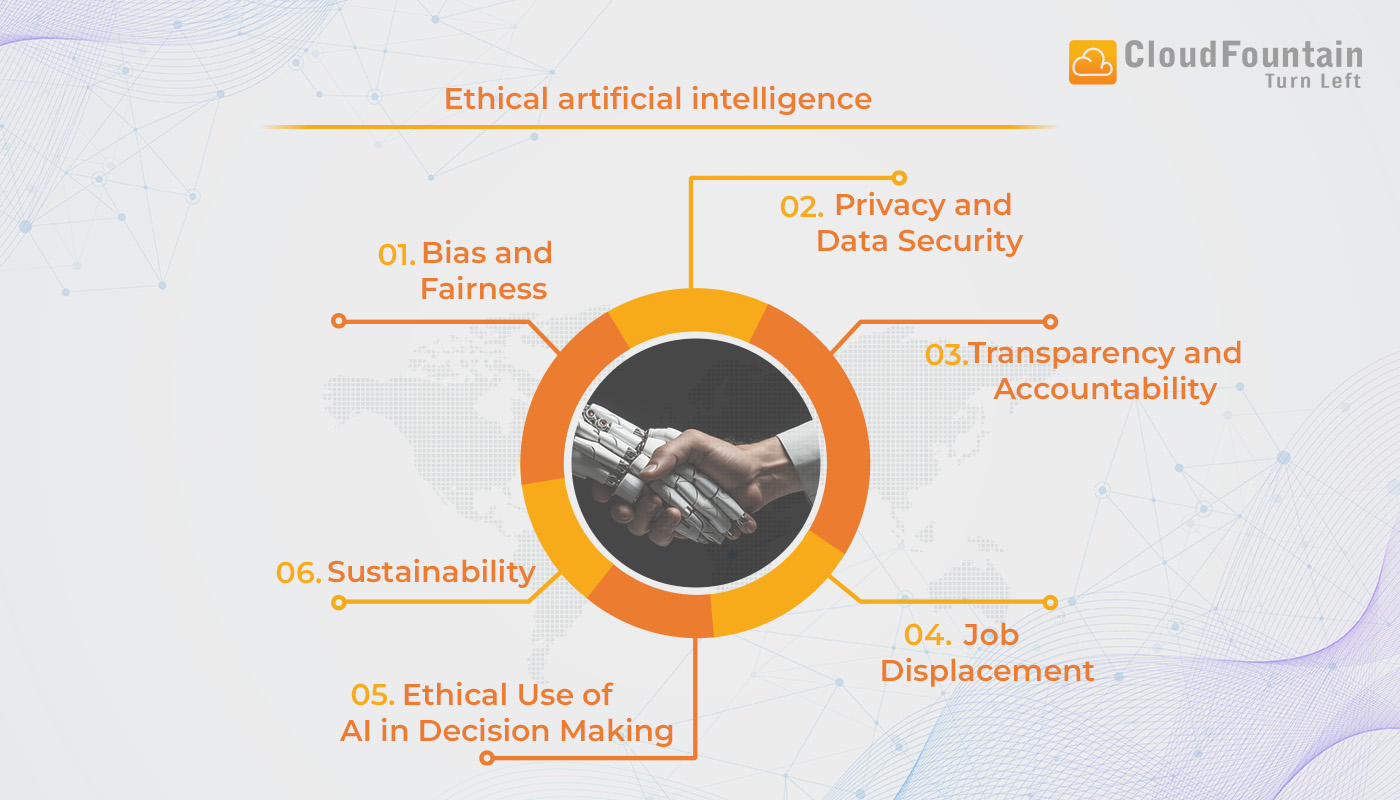
- Potential Job Displacement
Enhances operational efficiency by automating routine tasks.
AIOps significantly enhances operational efficiency by automating routine tasks that traditionally require manual intervention. By leveraging artificial intelligence and machine learning, AIOps platforms can handle data collection, monitoring, and analysis without human input. This automation reduces the workload on IT teams, allowing them to focus on more strategic and complex issues that require human insight. As a result, organizations can streamline their operations, reduce the likelihood of errors associated with manual processes, and ensure faster response times to potential issues. This not only improves overall productivity but also allows IT departments to contribute more effectively to business goals.
Improves incident management with faster root cause identification.
AIOps significantly enhances incident management by rapidly identifying the root cause of issues, allowing IT teams to address problems more efficiently. Traditionally, pinpointing the source of an incident could be time-consuming and labor-intensive, often requiring manual analysis of extensive data logs. AIOps leverages advanced machine learning algorithms to sift through vast amounts of data in real-time, quickly detecting anomalies and correlating them with potential causes. This accelerated root cause identification reduces the mean time to resolution (MTTR), minimizes system downtime, and ensures that businesses maintain operational continuity. By streamlining this critical process, AIOps enables IT teams to focus on strategic initiatives rather than getting bogged down in reactive troubleshooting.
Provides predictive insights to prevent potential issues before they occur.
One significant advantage of AIOps is its ability to offer predictive insights that help prevent potential issues before they occur. By leveraging advanced analytics and machine learning algorithms, AIOps platforms can analyze historical data patterns and trends to forecast and identify possible future problems within IT environments. This proactive approach enables organizations to take preemptive actions, address underlying issues, and mitigate risks before they escalate, ultimately enhancing operational efficiency and minimizing disruptions to business operations.
Scales seamlessly with organizational growth without proportional resource increases.
One significant advantage of AIOps is its ability to scale seamlessly with organizational growth without requiring proportional increases in resources. As businesses expand and their IT infrastructures evolve, AIOps platforms can adapt and accommodate the increased complexity without placing additional strain on human resources. This scalability ensures that organizations can effectively manage their operations and data analytics needs as they grow, maintaining efficiency and performance without incurring significant overhead costs.
Optimizes resource allocation and utilization for better cost-effectiveness.
By optimizing resource allocation and utilization, AIOps plays a crucial role in enhancing cost-effectiveness within IT operations. Through advanced analytics and automation, AIOps platforms can intelligently allocate resources based on real-time data insights, ensuring that resources are utilized efficiently to meet operational demands. This proactive approach not only helps in minimizing unnecessary expenses but also maximizes the value derived from existing resources, ultimately leading to improved cost-effectiveness and better overall financial performance for organizations embracing AIOps solutions.
Enables proactive monitoring and maintenance of IT systems in real-time.
AIOps revolutionizes IT system management by enabling proactive monitoring and maintenance in real-time. By leveraging advanced machine learning algorithms and data analytics, AIOps platforms can continuously analyze vast amounts of data from various sources within the IT infrastructure. This real-time analysis allows for the immediate detection of anomalies or potential issues before they escalate into significant problems. As a result, IT teams can address these concerns promptly, reducing downtime and preventing disruptions to business operations. This proactive approach not only enhances system reliability but also optimizes performance, ensuring that IT environments run smoothly and efficiently at all times.
Enhances decision-making through data-driven analytics and recommendations.
AIOps significantly enhances decision-making by leveraging data-driven analytics and recommendations. By processing vast amounts of data from various sources within an IT environment, AIOps platforms can identify patterns and trends that might be missed by human analysts. This capability allows organizations to make informed decisions based on real-time insights and predictive analytics. With AIOps, IT teams can prioritize critical issues, allocate resources more effectively, and implement strategic changes with confidence. The intelligent recommendations provided by AIOps not only streamline operations but also empower decision-makers to anticipate future challenges and opportunities, ultimately leading to improved business outcomes.
Facilitates seamless integration with other emerging technologies for comprehensive IT management.
AIOps facilitates seamless integration with other emerging technologies, creating a cohesive ecosystem for comprehensive IT management. By leveraging AI-driven insights, AIOps platforms can effortlessly connect with technologies such as cloud computing, edge computing, and the Internet of Things (IoT). This integration enables organizations to unify their IT operations across diverse environments, ensuring consistent performance and reliability. As a result, businesses can efficiently manage their entire digital infrastructure, from on-premises data centers to cloud-based applications and IoT devices. This holistic approach not only enhances operational efficiency but also empowers organizations to remain agile and responsive in an ever-evolving technological landscape.
Dependency on Data Quality
Dependency on Data Quality is a significant con of AIOps as the effectiveness of the entire system hinges on the quality and accuracy of the data it receives. Inaccurate or incomplete data can lead to erroneous insights and recommendations, potentially causing more harm than good. Ensuring high data quality requires meticulous data collection, cleaning, and normalization processes, which can be resource-intensive and time-consuming. Moreover, as IT environments evolve and generate vast amounts of data, maintaining data quality becomes an ongoing challenge that organizations must address to fully leverage the benefits of AIOps.
Initial Implementation Costs
Setting up an AIOps platform can pose a notable challenge in terms of initial implementation costs. The investment required for acquiring the necessary technology and providing training for personnel can be substantial. Organizations may need to allocate resources to procure AI-driven tools, infrastructure upgrades, and specialized training programs to ensure successful integration and utilization of the AIOps platform. While the long-term benefits of enhanced operational efficiency and proactive incident management are promising, the upfront financial commitment may present a barrier for some businesses looking to adopt AIOps solutions.
Complexity of Integration
The complexity of integration poses a significant challenge when incorporating AIOps tools into existing IT systems and workflows. The process of seamlessly integrating these advanced technologies requires meticulous planning, expertise, and resources, often leading to a time-consuming endeavor. Ensuring compatibility, data synchronization, and workflow alignment between AIOps solutions and legacy systems can be intricate tasks that demand careful attention to detail. The complexity of integration underscores the importance of thorough preparation and strategic implementation to overcome potential hurdles and maximize the benefits of AIOps in enhancing IT operations efficiency.
Potential Job Displacement
Automation through AIOps may raise valid concerns about potential job displacement within the IT industry. As organizations increasingly adopt AI-driven solutions to streamline and optimize their operations, there is a risk that certain roles traditionally performed by IT professionals, such as manual monitoring and management tasks, could be automated. This shift towards automation could result in a restructuring of job responsibilities and skill requirements, potentially leading to job redundancies or the need for upskilling and reskilling efforts among IT workforce. Balancing the benefits of increased efficiency and productivity offered by AIOps with the potential impact on employment remains a critical consideration for organizations embracing this technology.