The Art of Nailing Star Interview Questions and Answers
Job interviews can be nerve-wracking experiences, especially when faced with tough questions designed to assess your skills and fit for the role. One common type of interview question that often comes up is the STAR method – Situation, Task, Action, Result. Mastering the STAR technique can help you provide structured and compelling answers that showcase your abilities effectively.
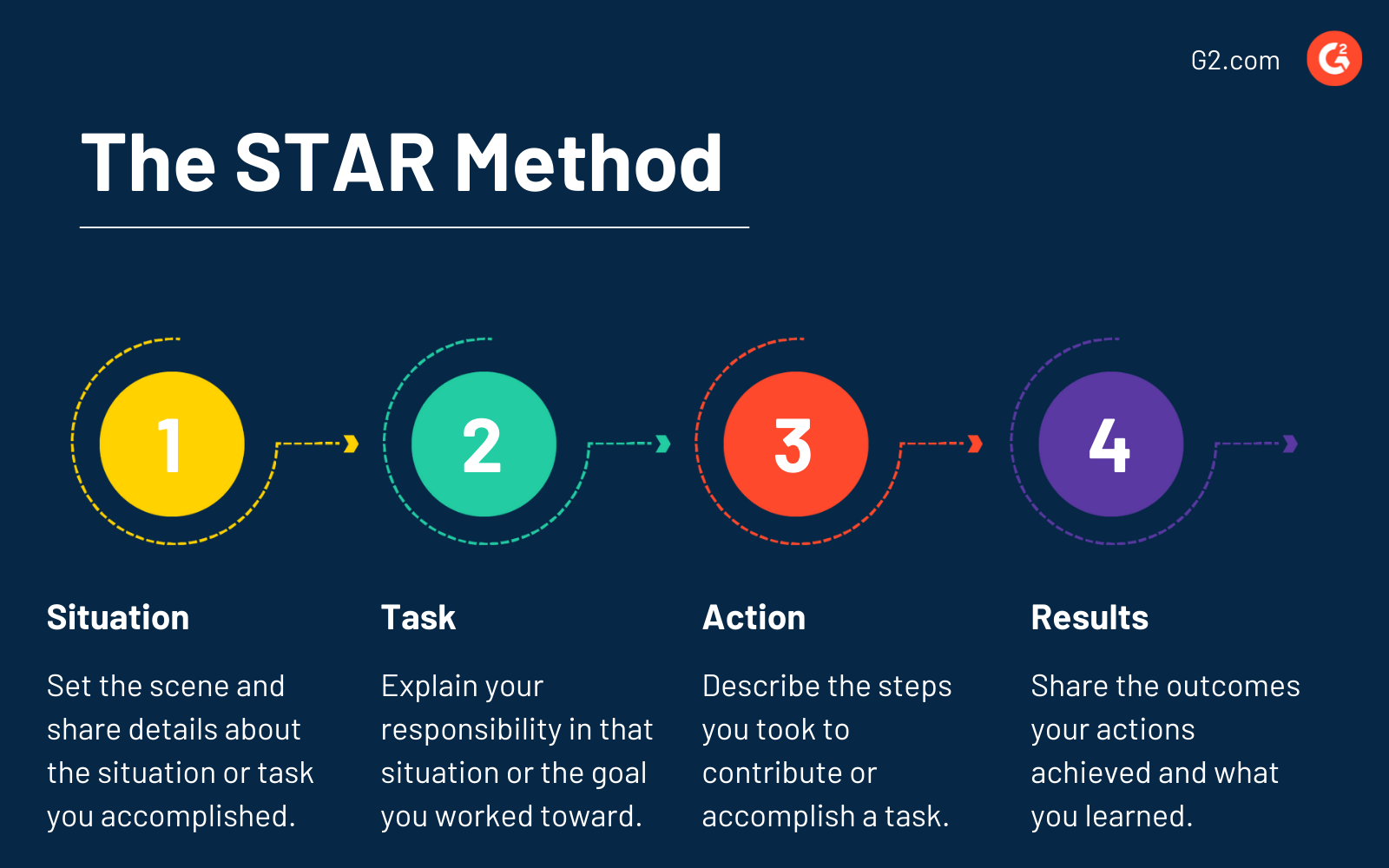
Situation
When asked a STAR question, start by setting the stage. Describe the situation or context in which the challenge or opportunity arose. Be concise but provide enough detail to give the interviewer a clear understanding of the scenario you faced.
Task
Next, outline the task at hand. What were you required to accomplish or resolve? Clearly define your responsibilities and objectives in the given situation. This helps demonstrate your understanding of your role and goals.
Action
Detail the actions you took to address the task or challenge. Focus on your specific contributions and decision-making process. Highlight any skills or qualities you utilized during this phase, such as problem-solving, leadership, or teamwork.
Result
Finally, discuss the results of your actions. What outcomes were achieved as a result of your efforts? Quantify your achievements whenever possible to provide tangible evidence of success. Reflect on what you learned from the experience and how it has influenced your growth.
Sample STAR Interview Question:
“Can you provide an example of a time when you had to resolve a conflict within a team?”
- Situation: During a project meeting…
- Task: My role was to mediate…
- Action: I organized a team discussion…
- Result: By fostering open communication…
By structuring your responses using the STAR method, you can effectively showcase your skills and experiences in a clear and organized manner. Practice crafting compelling answers to common STAR interview questions to boost your confidence and impress potential employers during job interviews.
Mastering the STAR Interview: Top Questions and Expert Answers
- What is your 3 weaknesses’ best answer?
- What is the 10 second rule in an interview?
- What is the starr technique in interviewing?
- What is the best answer for the STAR interview question?
- What are the 5 STAR interview questions?
- What is a weakness to say in an interview?
What is your 3 weaknesses’ best answer?
When faced with the frequently asked question “What are your 3 weaknesses?” during a STAR interview, it is essential to approach it strategically. Instead of listing generic weaknesses, focus on areas where you have shown growth and improvement. For example, you could mention a past weakness such as public speaking anxiety but highlight how you enrolled in a public speaking course to overcome it. This demonstrates self-awareness, willingness to learn, and proactive steps taken to address weaknesses. By framing your response in this manner, you can showcase your ability to turn challenges into opportunities for personal and professional development.
What is the 10 second rule in an interview?
In the context of interviews, the 10-second rule refers to the crucial first impression you make on your interviewer within the initial moments of meeting. This rule emphasizes the significance of non-verbal communication, such as body language, eye contact, and handshake, in shaping how you are perceived. Within the first 10 seconds of an interview, your demeanor and presentation can set the tone for the rest of the conversation. By appearing confident, engaged, and professional from the start, you establish a positive foundation that can influence how your responses to questions are received throughout the interview process.
What is the starr technique in interviewing?
The STAR technique in interviewing is a structured method used to respond to behavioral interview questions by providing specific examples from past experiences. STAR stands for Situation, Task, Action, and Result. When asked a STAR question, candidates are expected to describe a situation they encountered, the task they needed to accomplish, the actions they took to address the task, and the results of their actions. This approach helps interviewees effectively showcase their skills and competencies by offering concrete examples that demonstrate their abilities in real-world scenarios. Mastering the STAR technique can lead to more compelling and impactful responses during job interviews.
What is the best answer for the STAR interview question?
When responding to a STAR interview question, the best answer is one that follows the structured approach of Situation, Task, Action, and Result. Start by clearly outlining the situation or challenge you faced, then describe the specific task or objective you needed to address. Next, detail the actions you took to tackle the task, emphasizing your skills and decision-making process. Finally, highlight the positive results of your actions, including any measurable outcomes or lessons learned. By providing a well-organized and compelling response that demonstrates your abilities and achievements effectively, you can impress interviewers and showcase your qualifications for the role.
What are the 5 STAR interview questions?
When preparing for a job interview, understanding the 5 common STAR interview questions can help you effectively showcase your qualifications and experiences. These questions typically revolve around situations that assess your problem-solving abilities, teamwork skills, leadership qualities, and adaptability. Examples of 5 STAR interview questions may include inquiries about a challenging project you successfully completed, a time when you had to resolve a conflict within a team, an instance where you demonstrated strong decision-making skills under pressure, an achievement that required innovative thinking, and a situation where you effectively managed a difficult task or project. By familiarizing yourself with these types of questions and practicing structured responses using the STAR method, you can confidently navigate interviews and impress potential employers with your well-rounded capabilities.
What is a weakness to say in an interview?
When asked about weaknesses in a job interview, it is important to approach the question thoughtfully. While it may be tempting to provide a cliché response like “I’m a perfectionist” or “I work too hard,” interviewers are typically looking for genuine self-awareness and areas for potential growth. Instead, consider mentioning a real weakness that you have identified and are actively working to improve. By demonstrating your willingness to acknowledge and address areas of development, you can showcase your commitment to continuous learning and self-improvement, which can be viewed positively by potential employers.