Interview Skills: How to Prepare, Communicate, and Stand Out
A successful job interview is more than a chance to summarize your résumé. It is an opportunity to show how you think, communicate, and could contribute to a team. Strong interview skills can help you make a clear, confident impression—whether the conversation takes place in person, by phone, or over video.
Prepare Before the Interview
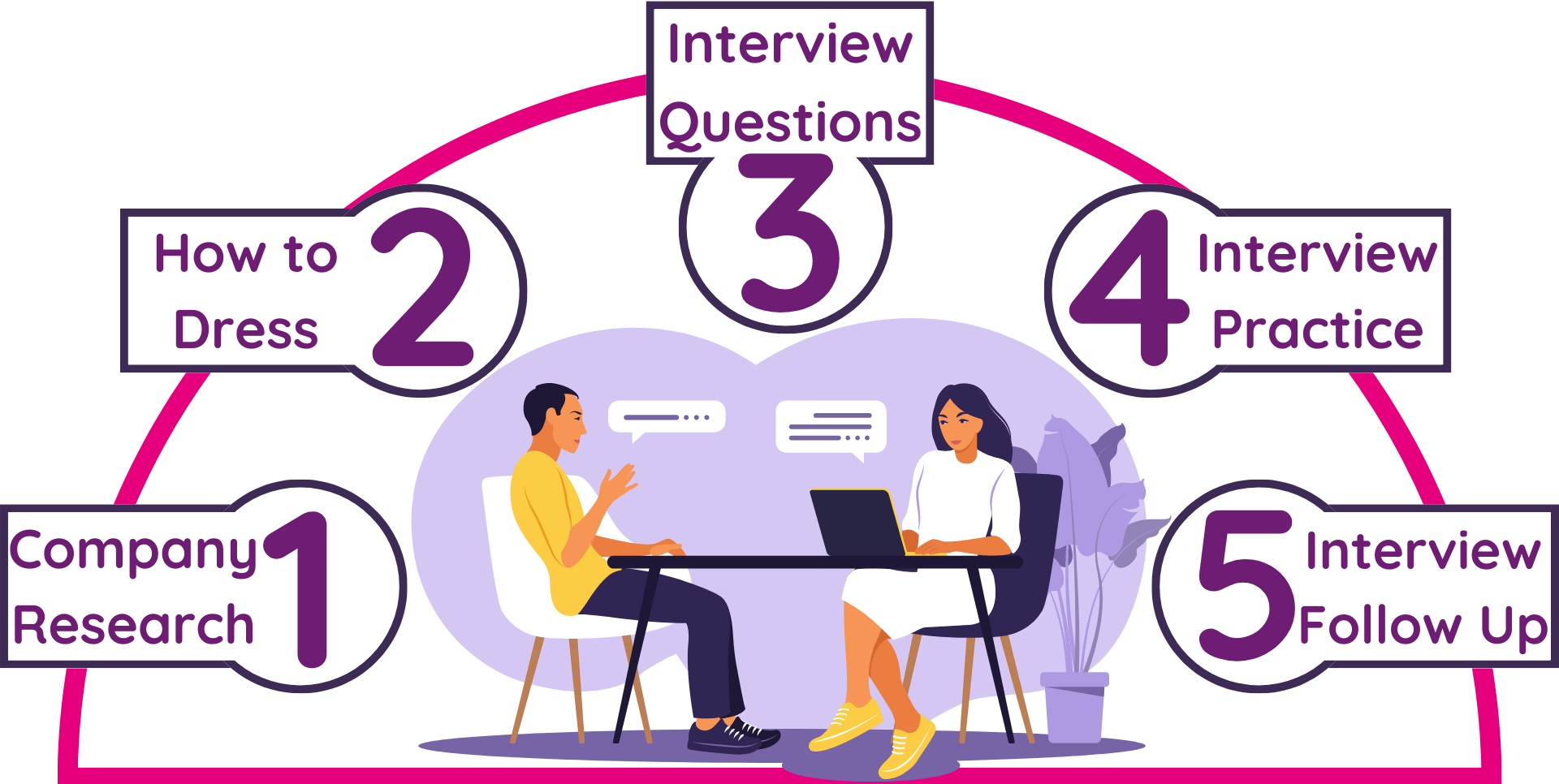
Good preparation helps you answer questions with relevant examples instead of scrambling for something to say. Start by reviewing the job description and identifying the skills, responsibilities, and qualifications the employer emphasizes. Think about how your experience connects to each one.
Research the organization, too. Learn about its products or services, customers, workplace, and recent developments using reliable sources. You do not need to memorize every detail. The goal is to understand the organization well enough to explain why the role interests you and ask informed questions.
Review your résumé and be ready to discuss anything on it, including accomplishments, career changes, employment gaps, or projects. If you are interviewing remotely, check your internet connection, camera, microphone, and lighting beforehand. For an in-person interview, confirm the location, travel time, and any arrival instructions.
Practice Clear, Specific Answers
Interviewers often ask behavioral questions about how you handled a situation in the past. A useful way to organize your response is the STAR method:
- Situation: Briefly describe the context.
- Task: Explain what you were responsible for.
- Action: Describe the steps you took.
- Result: Share the outcome and what you learned.
For example, if asked about solving a problem, explain what made the situation challenging, what you did, and how the result helped your team or customer. Use specific details when possible, but keep your answer focused. Practice aloud so your response sounds natural rather than memorized.
Listen Before You Answer
Strong communication includes listening. Let the interviewer finish the question, and take a moment to organize your thoughts before responding. If a question is unclear, it is perfectly reasonable to ask for clarification. A thoughtful pause is usually better than an answer that misses the point.
Keep your answers relevant and concise. Provide enough detail to support your point, then give the interviewer room to ask follow-up questions. When discussing a challenge or mistake, focus on what you learned and how you applied that lesson afterward.
Show Confidence and Professionalism
Confidence does not mean having an instant answer for everything. It means being prepared, honest, and composed. Speak at a comfortable pace, use a friendly tone, and maintain attentive body language. In a video interview, look toward the camera when speaking and minimize distractions in your surroundings.
Be truthful about your skills and experience. If you have not done something before, explain how you would approach it or describe a related skill you could apply. Employers are often interested not only in what you know, but also in how you learn and respond to new challenges.
Ask Thoughtful Questions
An interview is also a chance to decide whether the position is right for you. Prepare a few questions about the role, the team, expectations, or the organization’s priorities. For example, you might ask:
- What would success look like in this role during the first few months?
- How does the team typically collaborate?
- What are the most important priorities for the person in this position?
- What are the next steps in the hiring process?
Listen carefully throughout the conversation so your questions feel relevant. Avoid asking for information that is clearly available on the organization’s website, and save questions about compensation or benefits for an appropriate point in the process.
Follow Up After the Interview
After the interview, send a brief thank-you email within a day. Thank the interviewer for their time, mention a specific part of the conversation, and restate your interest in the position. Keep the message professional and concise.
Build the Skill Over Time
Interviewing gets easier with practice. After each conversation, note which questions you handled well and where you could improve. Ask a trusted friend or mentor to conduct a practice interview, or record yourself answering common questions. Small adjustments—clearer examples, more focused answers, or better preparation—can make a meaningful difference.
The strongest interviews feel like professional conversations, not performances. By preparing thoughtfully, listening closely, and communicating your experience with specific examples, you can help employers understand what you bring to the role.
Mastering Interview Skills: Answers to 7 Common Questions
- Why is interview a skill?
- What questions will they ask in the interview?
- Which are the types of interview skills?
- What are the 5 C’s of interviewing?
- What are the three interview skills that the interviewee displays?
- How do I dress for an interview?
- What are three tips for a successful interview?
Why is interview a skill?
An interview is a skill because it requires preparation, clear communication, active listening, and the ability to explain your experience in a way that fits the role. Like any skill, it can improve with practice and feedback. Learning to answer questions thoughtfully, ask relevant questions, and communicate with confidence helps you make a stronger impression and take part in a more productive conversation.
What questions will they ask in the interview?
Interview questions vary by role and employer, but most interviews include questions about your experience, strengths, goals, and interest in the position. You may be asked to walk through your résumé, explain why you want the job, describe a challenge you handled, or share how you work with others. Behavioral questions—such as “Tell me about a time you solved a problem”—are common, so prepare a few specific examples that show your skills and results. You can also expect questions related to the role’s requirements, and you’ll usually have a chance to ask the interviewer questions of your own.
Which are the types of interview skills?
Interview skills include preparation, communication, active listening, and professional conduct. Preparation means researching the employer, reviewing the job description, and practicing relevant examples. Communication skills help you give clear, concise answers and explain your experience confidently, while active listening helps you understand questions and respond thoughtfully. Other useful skills include asking insightful questions, managing nerves, showing positive body language, adapting to different interview formats, and following up professionally after the conversation.
What are the 5 C’s of interviewing?
The 5 C’s of interviewing are commonly described as **communication, confidence, competence, character, and composure**. Communication means expressing ideas clearly and listening attentively; confidence is showing assurance without arrogance; competence is demonstrating the skills and experience relevant to the role; character reflects honesty, professionalism, and respect; and composure is staying calm and thoughtful, even when questions are challenging. Together, these qualities can help you make a strong impression and show an interviewer how you might contribute to the workplace.
What are the three interview skills that the interviewee displays?
The three interview skills an interviewee should display are clear communication, active listening, and confidence. Clear communication helps them explain their experience and answer questions directly; active listening shows respect and ensures their responses address what the interviewer is asking; and confidence helps them present their strengths professionally without appearing overconfident.
How do I dress for an interview?
Dress for an interview in clean, well-fitting clothing that suits the role and workplace. When in doubt, choose business casual or a more formal outfit, and research the company’s dress culture if possible. Keep accessories and fragrance understated, make sure shoes are clean, and check that your clothes are comfortable and wrinkle-free. For a video interview, dress professionally from head to toe and choose colors that look clear on camera.
What are three tips for a successful interview?
Prepare by researching the company and reviewing the job description so you can connect your experience to the role. During the interview, listen carefully and answer questions with clear, specific examples that show your skills and results. Finally, ask thoughtful questions about the position or team, and send a brief thank-you note afterward to express your continued interest.