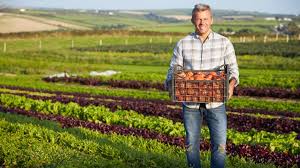
The Importance of Sustainable Farming
Sustainable farming is a practice that aims to maintain the health of the land, preserve natural resources, and support local communities while producing food for the growing global population. This method of farming focuses on long-term environmental and economic sustainability, as well as social responsibility.
Environmental Benefits
Sustainable farming practices help protect the environment in various ways. By reducing the use of synthetic chemicals and pesticides, sustainable farmers minimize water pollution and soil degradation. They also promote biodiversity by preserving natural habitats and ecosystems on their farms. Additionally, sustainable farming techniques such as crop rotation and cover cropping help improve soil health and fertility, leading to better long-term productivity.
Economic Advantages
While transitioning to sustainable farming methods may require initial investments, in the long run, it can lead to cost savings for farmers. By reducing reliance on expensive chemical inputs and improving soil quality, sustainable farmers can achieve higher yields and lower production costs. Moreover, sustainable farming practices often open up new market opportunities for farmers who prioritize environmental stewardship and ethical production methods.
Social Impacts
Sustainable farming not only benefits the environment and economy but also has positive social impacts. By supporting local food systems and promoting fair labor practices, sustainable farmers contribute to the well-being of rural communities. In addition, sustainable agriculture helps address food security issues by promoting diverse crop varieties and resilient farming practices that can withstand climate change challenges.
Conclusion
In conclusion, sustainable farming plays a crucial role in ensuring a healthy planet for future generations. By adopting environmentally friendly practices, supporting local economies, and fostering community resilience, sustainable farmers are at the forefront of creating a more sustainable food system. As consumers become more aware of the importance of sustainability in agriculture, supporting sustainable farmers becomes increasingly vital in building a more resilient and equitable food system.
Exploring Sustainable Farming: Key Concepts, Benefits, and Challenges
- What is sustainable farming and why is it important?
- What are the key principles of sustainable farming?
- How does sustainable farming benefit the environment?
- What are some common sustainable farming practices?
- How does sustainable farming contribute to food security?
- What challenges do farmers face when transitioning to sustainable practices?
- Are there government incentives or programs to support sustainable farming?
What is sustainable farming and why is it important?
Sustainable farming refers to agricultural practices that prioritize long-term environmental health, economic viability, and social responsibility. It involves methods that aim to minimize negative impacts on the environment, conserve natural resources, and support local communities while producing food for current and future generations. Sustainable farming is important because it helps protect ecosystems, reduce pollution, improve soil health, promote biodiversity, and enhance resilience to climate change. By adopting sustainable farming practices, farmers can contribute to a more sustainable food system that ensures the well-being of both people and the planet in the long term.
What are the key principles of sustainable farming?
Sustainable farming is guided by several key principles that aim to promote environmental stewardship, economic viability, and social responsibility. Some of the core principles of sustainable farming include minimizing synthetic inputs such as pesticides and fertilizers, promoting biodiversity through crop rotation and integrated pest management, conserving water resources through efficient irrigation practices, maintaining soil health through organic matter management and erosion control, supporting animal welfare in livestock production, and fostering community engagement through local food systems and fair labor practices. By adhering to these principles, sustainable farmers strive to create a balanced and resilient agricultural system that benefits both present and future generations.
How does sustainable farming benefit the environment?
Sustainable farming benefits the environment in several ways. By minimizing the use of synthetic chemicals and pesticides, sustainable farming practices reduce water pollution and soil degradation, promoting healthier ecosystems. Implementing techniques such as crop rotation and cover cropping helps improve soil health and fertility, leading to increased biodiversity and enhanced carbon sequestration. Additionally, sustainable farming methods contribute to the preservation of natural habitats on farms, supporting wildlife conservation efforts and overall ecological balance. Overall, sustainable farming plays a crucial role in mitigating environmental impact, promoting long-term sustainability, and fostering a healthier planet for future generations.
What are some common sustainable farming practices?
Common sustainable farming practices encompass a range of techniques aimed at promoting environmental stewardship and long-term agricultural viability. These practices include crop rotation to maintain soil health and prevent pest buildup, cover cropping to improve soil fertility and prevent erosion, integrated pest management to minimize pesticide use, water conservation methods such as drip irrigation, agroforestry to enhance biodiversity and carbon sequestration, and organic farming techniques that eschew synthetic chemicals in favor of natural inputs. By implementing these sustainable farming practices, farmers can mitigate environmental impact, preserve natural resources, and support the resilience of their agricultural systems.
How does sustainable farming contribute to food security?
Sustainable farming plays a critical role in enhancing food security by promoting long-term agricultural practices that prioritize environmental stewardship, economic viability, and social equity. By employing sustainable farming methods such as crop rotation, agroforestry, and integrated pest management, farmers can enhance soil fertility, reduce reliance on chemical inputs, and improve crop resilience to climate change. These practices not only increase agricultural productivity but also contribute to the preservation of natural resources essential for food production. Additionally, sustainable farming supports local food systems, empowers small-scale farmers, and promotes biodiversity, all of which are essential components of ensuring a stable and secure food supply for present and future generations.
What challenges do farmers face when transitioning to sustainable practices?
Transitioning to sustainable farming practices poses several challenges for farmers. One major obstacle is the initial investment required to adopt new technologies and techniques that promote sustainability, such as organic fertilizers or irrigation systems. Additionally, farmers may face resistance from conventional agricultural norms and practices that have been ingrained for generations. Changing mindsets and overcoming skepticism about the effectiveness of sustainable methods can be a significant challenge. Moreover, transitioning to sustainable farming often requires a learning curve and additional training for farmers to implement new practices effectively. Despite these challenges, the long-term benefits of sustainable farming in terms of environmental conservation, economic viability, and community resilience make the transition a worthwhile endeavor for farmers committed to creating a more sustainable future.
Are there government incentives or programs to support sustainable farming?
Government incentives and programs to support sustainable farming play a vital role in promoting environmentally friendly agricultural practices. Many governments around the world offer various incentives, such as grants, subsidies, tax breaks, and technical assistance, to encourage farmers to adopt sustainable farming methods. These programs aim to help farmers transition to more sustainable practices, improve soil health, conserve water resources, reduce greenhouse gas emissions, and protect biodiversity. By providing financial and technical support, governments can incentivize and empower farmers to embrace sustainable agriculture for the benefit of the environment and society as a whole.