The AI Industry: From Breakthrough Technology to Everyday Infrastructure
Artificial intelligence is moving beyond experimental tools and becoming part of the infrastructure behind modern business. AI systems help developers write code, support customer service teams, analyze documents, generate media, and identify patterns in scientific data. Behind these applications is a growing industry that spans semiconductor manufacturing, cloud computing, software development, and professional services.
Yet the AI industry’s future depends on more than increasingly capable models. Its next stage will be shaped by practical questions: Can AI deliver reliable results? Can businesses justify its costs? And can the technology expand without creating unacceptable risks?
What Makes Up the AI Industry?
The AI industry consists of several connected layers. At the foundation are companies that produce chips, networking equipment, and computing infrastructure. Training and operating advanced AI models can require substantial processing power, making access to hardware and electricity strategically important.
Another layer includes organizations that develop AI models. These range from specialized systems for tasks such as fraud detection to general-purpose models that process text, images, audio, and other forms of data.
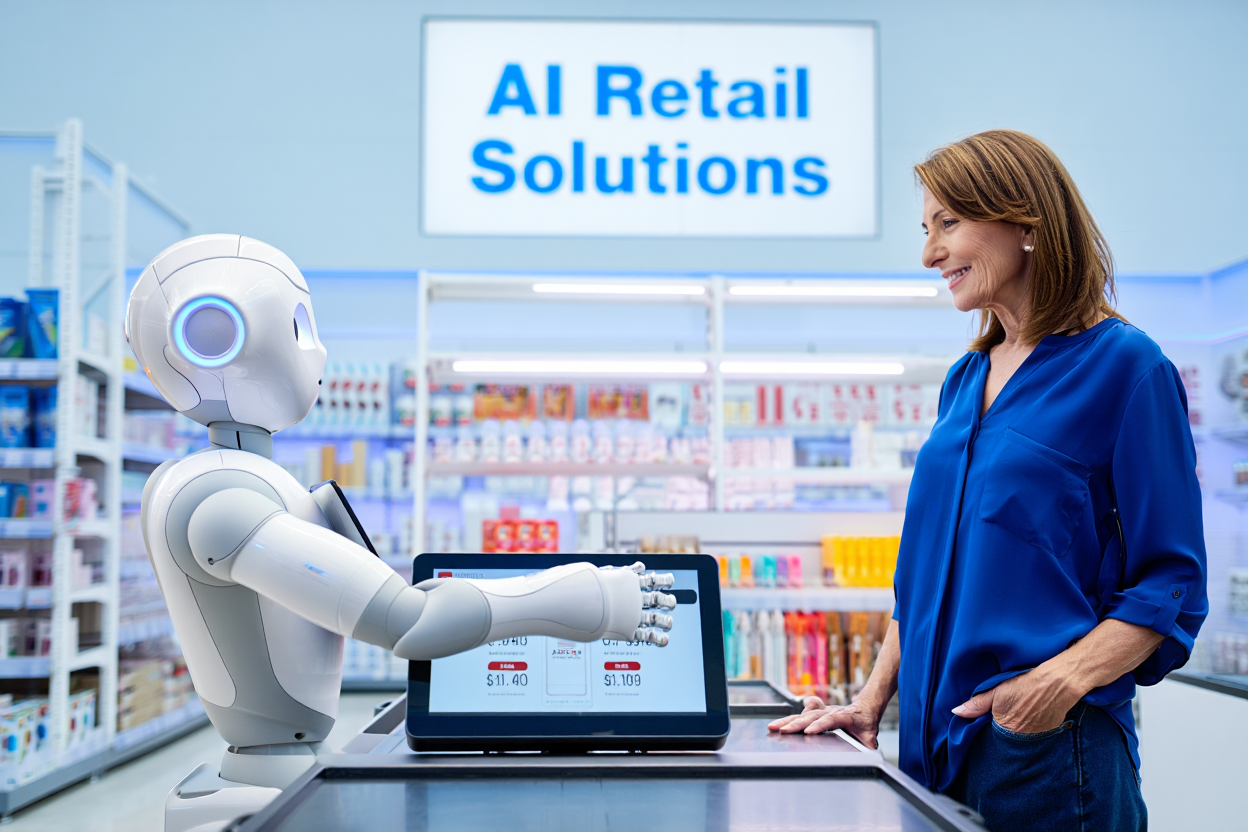
Above these foundations sits the application market. Software companies incorporate AI into search engines, design platforms, productivity tools, cybersecurity products, and industry-specific services. Consulting firms and systems integrators help organizations connect these tools to existing workflows.
Generative AI Has Expanded the Market
AI was widely used before conversational assistants became popular. Recommendation systems, demand forecasting, and automated quality control already supported many businesses. Generative AI expanded public awareness by making it possible to produce text, images, audio, and software through natural-language instructions.
This accessibility lowered the barrier to experimentation. Employees no longer need advanced programming skills to test certain AI capabilities. However, an impressive demonstration does not necessarily translate into a dependable business product.
Commercial deployment requires more than fluent output. Systems must handle sensitive information appropriately, integrate with company software, perform consistently, and provide enough value to justify their operating costs.
Where Businesses Are Finding Value
Some of the clearest applications involve assisting people with bounded, repeatable tasks. Rather than replacing an entire occupation, AI can reduce the time spent on particular parts of a job.
- Software development: Coding assistants can suggest functions, explain unfamiliar code, generate tests, and draft documentation. Human review remains important for security and correctness.
- Customer support: AI can categorize requests, retrieve relevant information, and draft responses, while complex cases move to human agents.
- Document processing: Organizations use AI to extract information from invoices, contracts, forms, and internal records.
- Healthcare administration: Tools can assist with scheduling, documentation, and other administrative work, subject to privacy requirements and appropriate oversight.
- Scientific research: AI can help researchers analyze large datasets and prioritize promising candidates for further investigation.
Results vary by task and implementation. A system that saves time in one setting may create extra verification work in another. Meaningful evaluation should measure accuracy, total cost, time saved, and the consequences of mistakes.
The Economics Behind AI
Developing advanced models can be expensive, but training is only part of the financial picture. Each use of a deployed model also consumes computing resources. This operating process, known as inference, becomes a major consideration when products serve large numbers of users.
Businesses must also account for data preparation, software integration, security, monitoring, and human oversight. Subscription prices or API fees alone rarely capture the full cost of adoption.
These pressures create demand for more efficient approaches. Smaller specialized models, improved hardware, and techniques that reduce computational requirements can make some applications less expensive. In many cases, the best system is not the largest model available, but the one that meets a specific need reliably and affordably.
Competition, Openness, and Market Power
Large technology companies benefit from access to capital, computing infrastructure, distribution channels, and established customers. Those advantages can make it difficult for smaller businesses to compete directly in general-purpose model development.
Startups nevertheless have opportunities in specialized markets. A company with strong industry knowledge, lawful access to useful data, or a well-designed workflow may offer more practical value than a general-purpose tool.
Open-weight models also influence competition by allowing developers to download and adapt model parameters, subject to their licenses. They can offer greater deployment flexibility, although open weights do not necessarily mean that training data, development methods, or all usage rights are openly available.
Trust Is a Business Requirement
AI systems can produce incorrect information, reflect biases in data, expose sensitive material, or respond unpredictably to malicious instructions. Generative models may present unsupported claims with convincing language, making verification especially important.
Responsible deployment requires safeguards suited to the application. These can include access controls, independent testing, source verification, audit logs, and clear procedures for human review. Higher-stakes uses demand stronger evidence of safety and effectiveness.
Legal obligations also vary across jurisdictions and sectors. Companies need to consider privacy, intellectual property, consumer protection, discrimination, and industry-specific rules rather than treating AI governance as a single compliance checklist.
Jobs, Skills, and Energy Demand
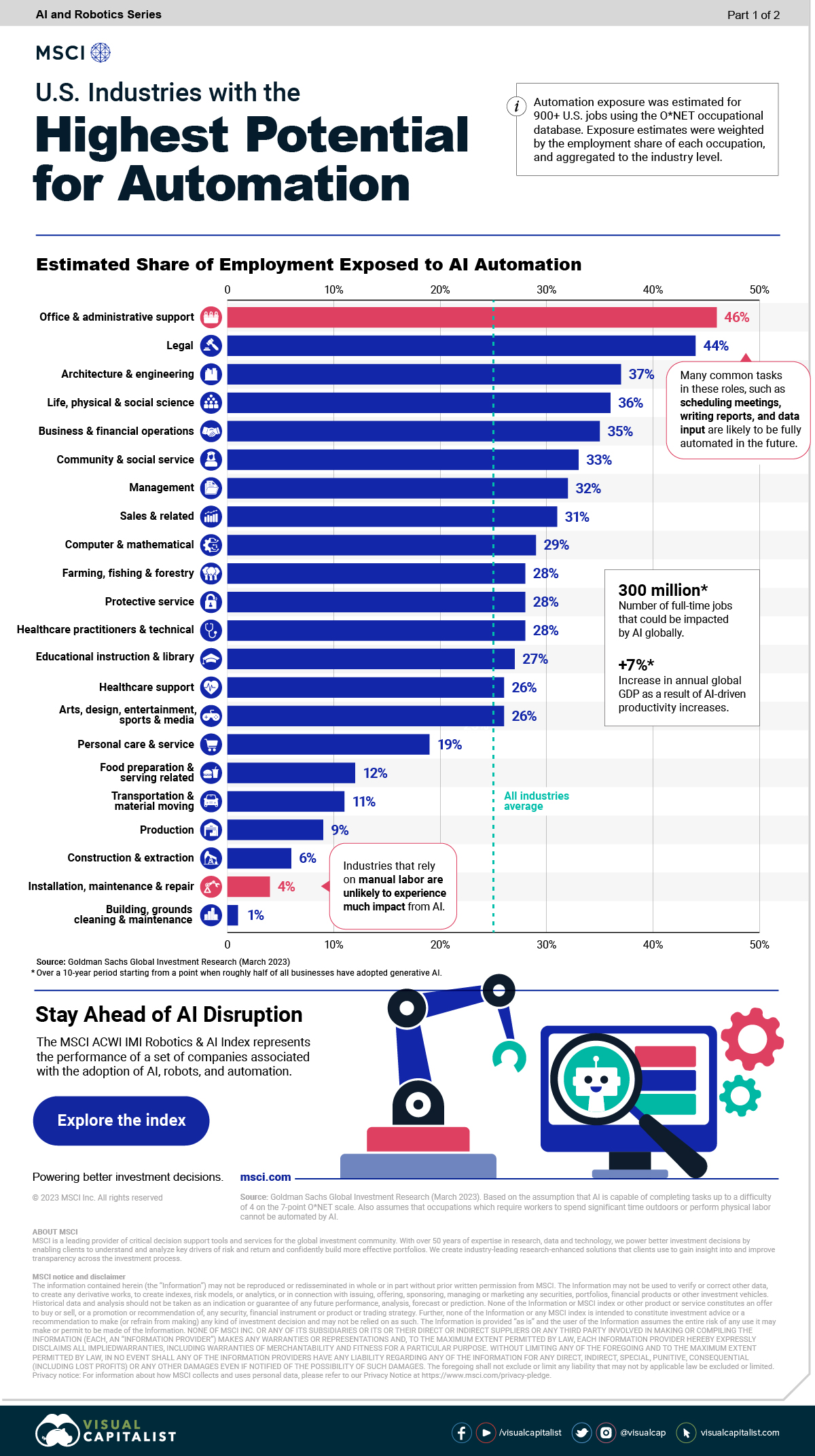
AI is changing the mix of tasks within many occupations. Some activities may become automated, while others require more judgment, verification, and coordination. The effects on employment will depend on adoption rates, business decisions, worker training, and demand for new services.
Infrastructure growth brings another challenge: energy use. Data centers require electricity and cooling, and rapid expansion can place pressure on local grids and resources. The environmental impact depends on factors such as system efficiency, location, energy sources, and the scale of use.
What Comes Next?
A central test for the AI industry is whether technical progress can become dependable economic value. More capable models matter, but so do affordable operation, secure integration, and measurable improvements in everyday work.
Companies that succeed will need to do more than attach an AI label to existing products. They will need to solve real problems, explain limitations honestly, and earn trust through consistent performance. The industry’s lasting influence will be determined not only by what its systems can generate, but by how effectively and responsibly those systems are used.
Five Key Benefits of the AI Industry
- Boosts productivity by automating routine tasks.
- Supports faster research and data analysis.
- Creates new products, services, and jobs.
- Improves tools for healthcare, education, and accessibility.
- Drives investment in computing and innovation.
The AI Industry’s Challenges: High Costs, Privacy Risks, and Job Displacement
Boosts productivity by automating routine tasks.
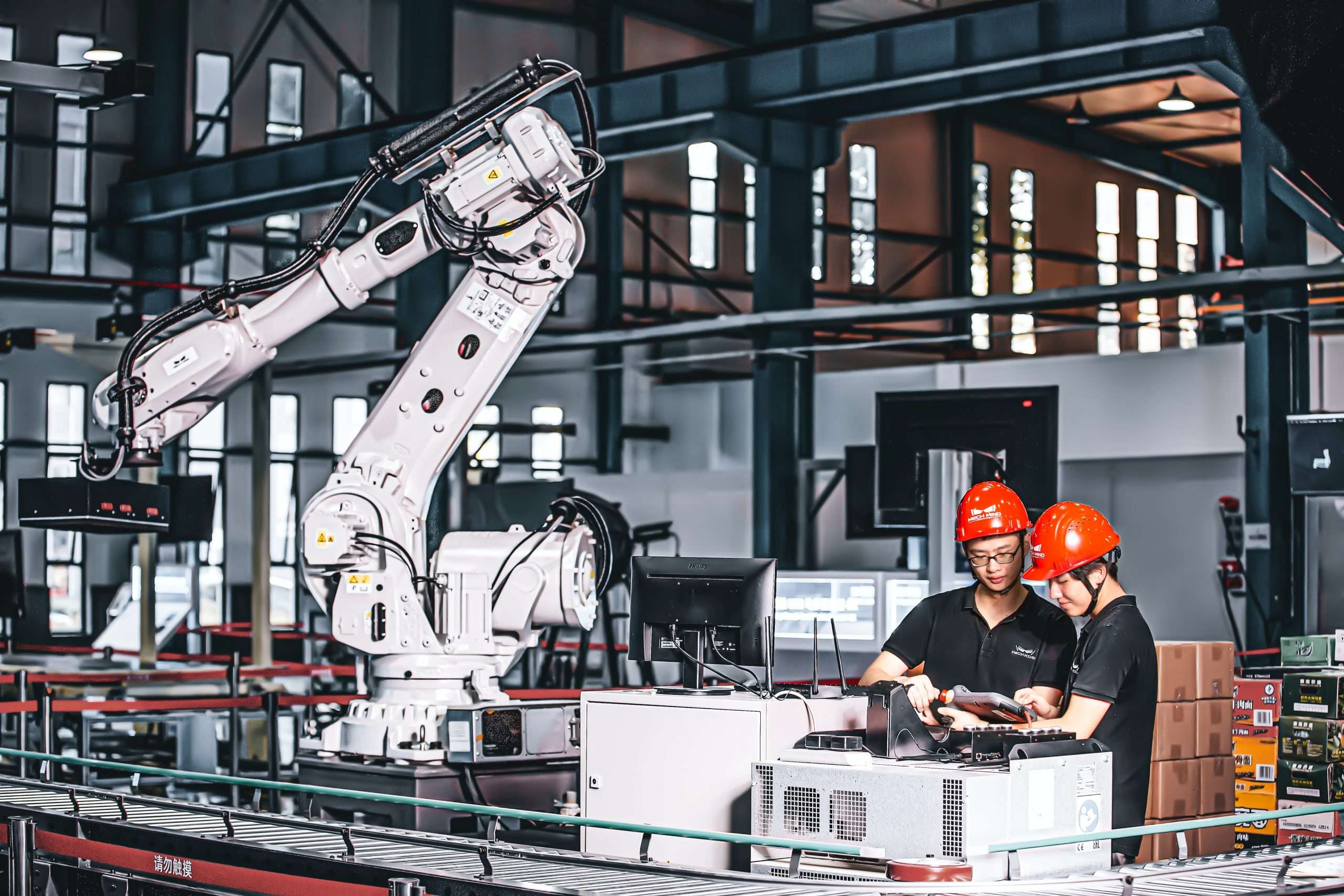
The AI industry boosts productivity by automating routine tasks such as data entry, document processing, scheduling, and basic customer support. By handling repetitive work quickly and consistently, AI tools can reduce manual effort and give employees more time for creative thinking, complex problem-solving, and customer relationships. When paired with appropriate human oversight, this automation can help businesses streamline operations, reduce delays, and accomplish more with existing resources.
Supports faster research and data analysis.
The AI industry supports faster research and data analysis by developing tools that process large datasets, identify patterns, and summarize information more quickly than manual methods alone. These capabilities help researchers review scientific literature, compare results, and identify promising directions for further investigation. In fields such as healthcare, environmental science, and engineering, AI can reduce time spent on repetitive analytical tasks, allowing experts to focus on interpreting findings and testing new ideas. Human oversight remains essential to verify accuracy and ensure that conclusions are supported by reliable evidence.
Creates new products, services, and jobs.
The AI industry creates new products, services, and jobs by turning technological advances into practical solutions. AI-powered tools support applications such as personalized learning, fraud detection, and more efficient software development, while creating opportunities for businesses that build, customize, and maintain these systems. This growth generates demand for roles in engineering, data management, cybersecurity, product design, and AI oversight. Although automation can displace some tasks and jobs, investment in training can help workers pursue emerging opportunities across the economy.
Improves tools for healthcare, education, and accessibility.
The AI industry improves tools for healthcare, education, and accessibility by helping people access information and services more effectively. In healthcare, AI can assist professionals with analyzing medical images, organizing patient records, and identifying patterns that may support earlier diagnosis. In education, AI-powered tools can adapt practice activities to students’ needs and provide timely feedback. Accessibility tools, including speech recognition, live captions, and image descriptions, can help people with disabilities communicate, learn, and navigate digital spaces. When designed inclusively and used with appropriate oversight, these technologies can reduce barriers and support more personalized services.
Drives investment in computing and innovation.
The AI industry drives investment in computing and innovation by increasing demand for advanced chips, cloud infrastructure, and more efficient software. This spending supports research and development in areas such as semiconductor design, data processing, and energy-efficient computing. The resulting advances can benefit fields beyond AI, including healthcare, scientific research, and manufacturing. Investment also creates opportunities for startups and collaboration between businesses and universities, helping turn promising ideas into practical products and services.
High energy and computing costs
High energy and computing costs are a major drawback of the AI industry. Training advanced models requires powerful chips and substantial electricity, while running those models creates ongoing costs every time users submit requests. Data centers also need cooling systems, networking equipment, and regular hardware upgrades, adding to the expense. These demands can make AI tools costly to develop and operate, create barriers for smaller companies, and put pressure on local power grids. When electricity comes from fossil fuels, heavy energy use also contributes to greenhouse gas emissions. More efficient models and hardware can help, but growing demand for AI may offset some of those savings.
Risks to privacy and data security
The AI industry poses risks to privacy and data security because many systems rely on large amounts of data that may include personal, financial, or confidential information. If this data is collected without meaningful consent, stored insecurely, or used beyond its original purpose, individuals can lose control over how their information is handled. AI tools can also expose sensitive details through data breaches, unintended outputs, or attacks designed to extract confidential information. These risks make strong encryption, limited data collection, clear retention policies, and strict access controls essential for companies developing or using AI.
Potential job displacement
Potential job displacement is a significant concern as the AI industry expands. By automating tasks such as data entry, routine customer support, and basic content production, AI can reduce demand for certain roles or change the skills employers require. Although the technology may create new jobs, displaced workers may not have immediate access to the training, resources, or opportunities needed to transition into them. This mismatch can contribute to financial insecurity and widen economic inequality, particularly in communities that depend heavily on vulnerable occupations. Addressing these risks requires accessible retraining programs, support for affected workers, and thoughtful implementation that considers employees alongside productivity gains.