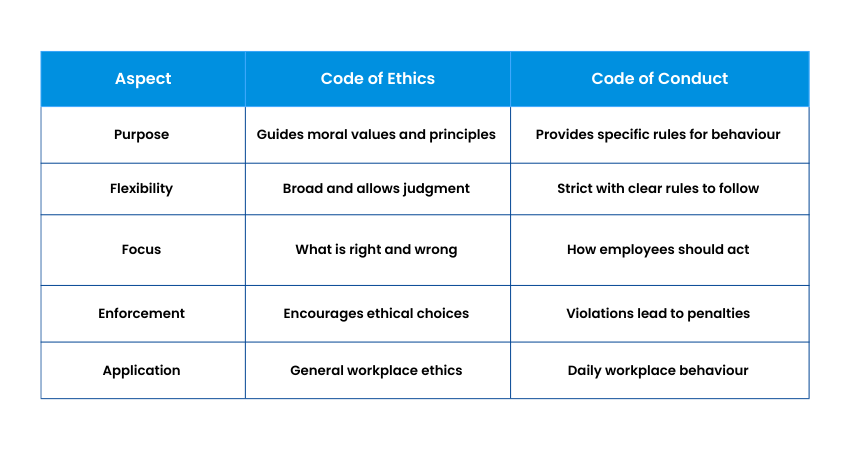
Exploring Ethics: Examples of Ethical Dilemmas in Everyday Life
Ethics play a crucial role in guiding our decisions and actions, shaping the way we interact with others and the world around us. While ethical principles provide a framework for moral behavior, navigating real-life situations can often present complex challenges that require careful consideration.
Example 1: Honesty in the Workplace
Imagine you discover that a colleague is engaging in unethical behavior that could harm the company or its clients. Do you speak up and risk damaging your relationship with your coworker, or do you stay silent to avoid conflict? This dilemma highlights the importance of honesty and integrity in professional settings.
Example 2: Environmental Responsibility
You are shopping for groceries and notice that a product you love is packaged in non-biodegradable materials that harm the environment. Do you continue to purchase it for your own convenience, or do you seek out more sustainable alternatives, even if they are less convenient or more expensive? This scenario raises questions about individual responsibility and environmental stewardship.
Example 3: Privacy vs. Security
In an age of increasing digital surveillance, how do we balance the need for security with respect for individual privacy rights? When government agencies collect personal data to prevent potential threats, where do we draw the line between protecting public safety and safeguarding civil liberties?
These examples illustrate just a few of the ethical dilemmas that individuals encounter in their daily lives. By reflecting on these situations and considering the underlying values at stake, we can cultivate a deeper understanding of ethics and make more informed choices that align with our moral compass.
7 Essential Tips for Practicing Ethical Behavior in Everyday Life
- Always be honest in your interactions with others.
- Respect the confidentiality of sensitive information shared with you.
- Treat everyone with fairness and without discrimination.
- Take responsibility for your actions and their consequences.
- Avoid conflicts of interest that may compromise your ethical standards.
- Strive to uphold high moral principles in all decision-making processes.
- Consider the potential impact of your choices on others before acting.
Always be honest in your interactions with others.
In navigating ethical dilemmas, one fundamental principle to uphold is honesty in all interactions with others. Being truthful and transparent not only fosters trust and credibility but also upholds the values of integrity and respect. By prioritizing honesty in our dealings, we contribute to a culture of openness and accountability, laying a strong foundation for ethical behavior and meaningful relationships.
Respect the confidentiality of sensitive information shared with you.
Respecting the confidentiality of sensitive information shared with you is a fundamental aspect of ethical behavior. Whether in personal relationships, professional settings, or any other context, maintaining the trust placed in you by safeguarding confidential details demonstrates integrity and respect for others’ privacy. By honoring the confidentiality of sensitive information, you not only uphold ethical standards but also nurture a culture of trust and reliability in your interactions with others.
Treat everyone with fairness and without discrimination.
In the realm of ethics, it is imperative to uphold the principle of treating everyone with fairness and without discrimination. Regardless of differences in background, beliefs, or characteristics, it is essential to approach interactions with a sense of equity and respect for all individuals. By embracing diversity and inclusivity while refraining from biased judgments or prejudices, we foster a culture of mutual understanding and acceptance. Upholding this ethical standard not only promotes harmonious relationships but also contributes to a more just and compassionate society where everyone has the opportunity to thrive.
Take responsibility for your actions and their consequences.
Taking responsibility for your actions and their consequences is a fundamental aspect of ethical behavior. It involves acknowledging the impact of your choices on yourself and others, whether positive or negative. By owning up to the outcomes of your decisions, you demonstrate integrity and accountability, fostering trust and respect in your relationships. Embracing responsibility also empowers you to learn from mistakes, make amends when necessary, and strive for ethical excellence in all aspects of your life.
Avoid conflicts of interest that may compromise your ethical standards.
It is essential to be vigilant in avoiding conflicts of interest that could potentially undermine your ethical principles. When personal interests intersect with professional responsibilities, there is a risk of compromising integrity and impartiality. By recognizing and addressing potential conflicts of interest proactively, individuals can uphold their ethical standards and maintain trustworthiness in their actions. Prioritizing transparency and accountability in decision-making processes helps mitigate the risk of ethical lapses and ensures that one’s conduct remains aligned with the highest ethical standards.
Strive to uphold high moral principles in all decision-making processes.
In navigating ethical dilemmas, it is essential to strive to uphold high moral principles in all decision-making processes. By prioritizing integrity, honesty, and respect for others in our choices, we not only cultivate a sense of personal accountability but also contribute to a more ethical and harmonious society. Upholding high moral standards serves as a guiding compass in navigating complex situations, enabling us to make decisions that align with our values and promote the well-being of ourselves and those around us.
Consider the potential impact of your choices on others before acting.
When faced with ethical dilemmas, it is essential to pause and reflect on the potential consequences of our actions on others. By considering the impact of our choices beyond ourselves, we can cultivate empathy and a deeper awareness of how our decisions may affect those around us. This practice of thoughtful consideration helps us navigate ethical challenges with greater sensitivity and integrity, ultimately contributing to a more ethical and compassionate society.