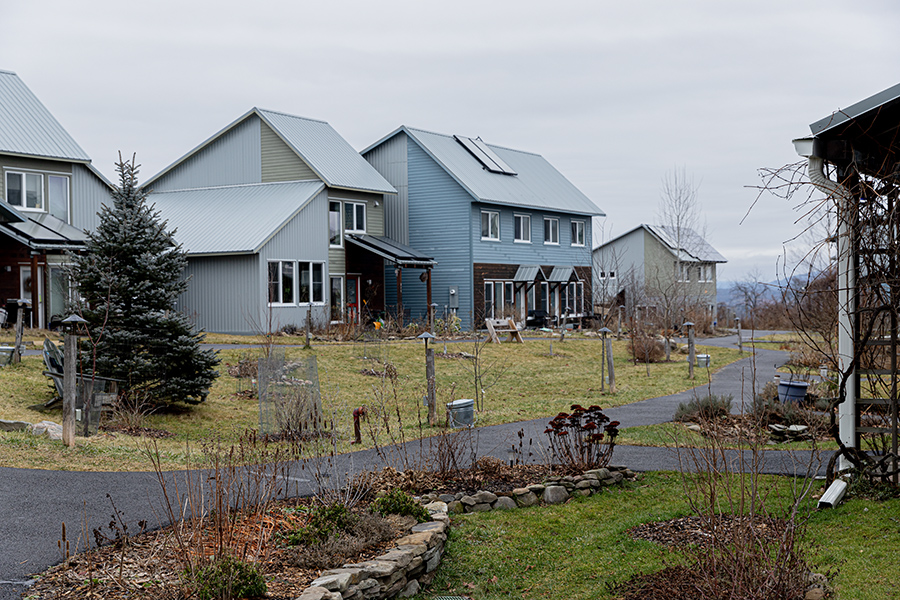
The Rise of Eco Communities: Building Sustainable Futures Together
In recent years, there has been a growing trend towards eco communities – intentional communities that prioritize sustainability, environmental consciousness, and communal living. These eco communities are not just a passing fad but represent a significant shift in how we think about living harmoniously with the planet and each other.
One of the key principles of eco communities is the emphasis on reducing carbon footprints and minimizing environmental impact. From off-grid tiny homes to permaculture farms, these communities are experimenting with innovative ways to live more sustainably. By harnessing renewable energy sources, practicing waste reduction strategies, and promoting local food production, eco communities serve as models for a greener way of life.
But sustainability is not the only focus of eco communities. They also place a strong emphasis on social connections and community building. Residents often come together to make decisions collectively, share resources, and support each other in various aspects of life. This sense of belonging and shared purpose fosters a deep sense of connection among community members.
Moreover, eco communities serve as educational hubs where knowledge about sustainable practices is shared and passed down to future generations. Workshops on organic gardening, renewable energy systems, and eco-friendly building techniques are common in these communities, empowering residents to become stewards of the environment.
As climate change continues to pose challenges to our planet, the rise of eco communities offers a glimmer of hope for a more sustainable future. By coming together to live in harmony with nature and each other, these communities demonstrate that another world is possible – one where people coexist with the Earth in a mutually beneficial relationship.
In conclusion, eco communities represent a beacon of light in an increasingly uncertain world. Through their commitment to sustainability, community building, and education, they inspire us to rethink our lifestyles and embrace a more conscious way of living. As we look towards the future, let us draw inspiration from these pioneering communities and work together to build a better world for all.
7 Essential Tips for Building a Sustainable Eco Community
- Reduce, reuse, and recycle to minimize waste
- Conserve energy by using energy-efficient appliances and turning off lights when not in use
- Support local farmers and businesses to reduce carbon footprint from transportation
- Plant trees and maintain green spaces for a healthier environment
- Use eco-friendly products and materials to reduce environmental impact
- Practice water conservation by fixing leaks and using water-saving fixtures
- Educate others about the importance of sustainability and living in harmony with nature
Reduce, reuse, and recycle to minimize waste
By following the principle of “reduce, reuse, and recycle” within eco communities, residents are able to minimize waste and make a positive impact on the environment. By reducing consumption, reusing items whenever possible, and recycling materials, these communities not only lessen their ecological footprint but also promote a more sustainable way of living. This simple yet powerful tip underscores the importance of conscious consumption and responsible waste management practices within eco communities, ultimately contributing to a cleaner and healthier planet for current and future generations.
Conserve energy by using energy-efficient appliances and turning off lights when not in use
To promote energy conservation within eco communities, residents can adopt simple yet impactful practices such as using energy-efficient appliances and being mindful of turning off lights when not in use. By investing in appliances with high energy efficiency ratings, community members can significantly reduce their electricity consumption and lower their carbon footprint. Additionally, cultivating a habit of switching off lights in unoccupied spaces not only conserves energy but also instills a culture of mindfulness towards resource usage. These small actions, when embraced collectively within an eco community, contribute to a more sustainable and environmentally conscious way of living.
Support local farmers and businesses to reduce carbon footprint from transportation
By supporting local farmers and businesses within eco communities, residents can significantly reduce their carbon footprint from transportation. By sourcing food and goods locally, individuals minimize the need for long-distance shipping and transportation, thereby lowering greenhouse gas emissions associated with fossil fuel consumption. This practice not only promotes sustainability but also fosters a stronger sense of community by building relationships with local producers and contributing to the local economy.
Plant trees and maintain green spaces for a healthier environment
Planting trees and maintaining green spaces are essential practices in eco communities to promote a healthier environment. Trees play a crucial role in improving air quality, providing shade, and supporting biodiversity. By planting and caring for trees, eco communities not only enhance the beauty of their surroundings but also contribute to combating climate change and creating a more sustainable ecosystem. Green spaces offer residents a place to connect with nature, relax, and engage in outdoor activities, fostering physical and mental well-being. Overall, prioritizing tree planting and green space maintenance is a proactive step towards building a greener, healthier future for both residents and the planet.
Use eco-friendly products and materials to reduce environmental impact
By incorporating eco-friendly products and materials into daily practices within eco communities, residents can significantly reduce their environmental impact. From biodegradable cleaning supplies to sustainable building materials, choosing environmentally conscious options not only minimizes waste and pollution but also promotes a healthier living environment for all community members. By prioritizing the use of eco-friendly products, eco communities demonstrate a commitment to sustainability and set an example for others to follow in creating a greener, more harmonious world.
Practice water conservation by fixing leaks and using water-saving fixtures
Water conservation plays a crucial role in the sustainability efforts of eco communities. By actively addressing leaks and incorporating water-saving fixtures, residents can significantly reduce water waste and contribute to a more efficient use of this precious resource. Fixing leaks promptly not only conserves water but also helps in lowering utility bills. Additionally, installing water-saving fixtures such as low-flow toilets and aerated faucets can make a substantial impact on overall water consumption within the community. These simple yet effective practices promote responsible water usage and demonstrate a commitment to environmental stewardship within eco communities.
Educate others about the importance of sustainability and living in harmony with nature
Educating others about the importance of sustainability and living in harmony with nature is a crucial aspect of fostering a thriving eco community. By sharing knowledge about the benefits of sustainable practices, such as reducing waste, conserving energy, and supporting local ecosystems, community members can inspire positive change both within and beyond their immediate surroundings. Through education and awareness-building efforts, eco communities can empower individuals to make informed choices that contribute to a more environmentally conscious and interconnected world.