Common Questions Asked During an Interview
Job interviews give employers a chance to learn about your experience, skills, and approach to work. They also give you an opportunity to understand the role and decide whether the organization is a good fit. While every interview is different, many employers ask questions that explore similar themes.
Preparing thoughtful, honest answers can help you feel more confident. You do not need to memorize a script. Instead, consider the examples and key points you want to share.
Questions About Your Background
Interviewers often begin with questions that invite you to summarize your experience and explain how it relates to the position.
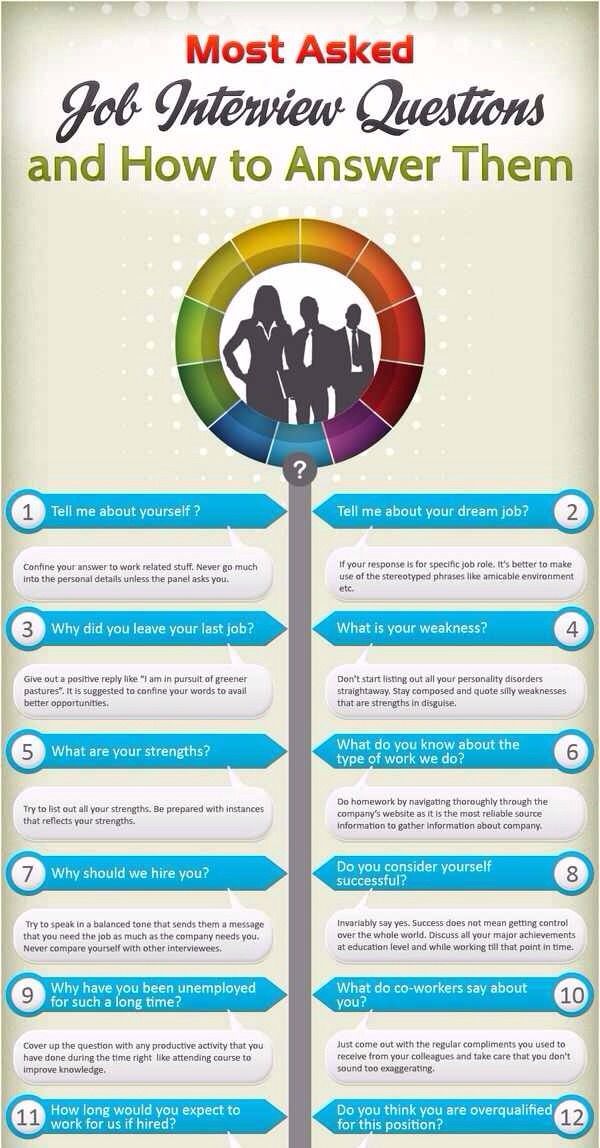
- “Tell me about yourself.” Give a concise overview of your professional background, relevant strengths, and interest in the role. Focus on information that helps explain why you are a strong candidate.
- “Walk me through your resume.” Describe the main steps in your career, highlighting responsibilities, accomplishments, and transitions that relate to the job.
- “What are your greatest strengths?” Name one or two strengths that matter for the position, and support them with a specific example.
- “What is a skill you are working to improve?” Choose a genuine area for growth and explain the steps you are taking to develop it.
Questions About Your Interest in the Role
Employers want to know why you applied and whether you understand the opportunity. Researching the organization and reviewing the job description can help you answer these questions with relevant details.
- “Why are you interested in this position?” Connect the role’s responsibilities to your skills, experience, and professional goals.
- “Why do you want to work here?” Mention specific aspects of the organization that genuinely appeal to you, such as its work, products, mission, or approach.
- “What do you know about our organization?” Share a few accurate details you learned from the organization’s website, recent news, or other reliable sources.
- “What are you looking for in your next role?” Describe the kind of work, responsibilities, or environment in which you hope to contribute and grow.
Behavioral Interview Questions
Behavioral questions ask about situations you have faced in the past. Employers use them to understand how you approach challenges, work with others, and make decisions. A useful way to organize your response is the STAR method: explain the Situation, Task, Action, and Result.
- “Tell me about a challenge you faced at work.” Choose a specific challenge, explain what you were responsible for, and describe the steps you took to address it.
- “Describe a time you made a mistake.” Be candid without dwelling on blame. Explain what you learned and how you changed your approach.
- “Tell me about a time you had to meet a tight deadline.” Discuss how you prioritized tasks, communicated with others, and completed the work.
- “Give an example of a conflict with a coworker.” Focus on how you listened, communicated respectfully, and worked toward a practical resolution.
- “Tell me about an accomplishment you are proud of.” Describe the goal, your contribution, and the outcome. Include measurable results when possible.
Examples can come from previous jobs, internships, volunteer work, school projects, or other relevant experiences. Choose stories that are truthful and make your own contribution clear.
Questions About Your Work Style
Interviewers may ask how you manage responsibilities and collaborate with colleagues. Clear, practical answers are more effective than broad claims.
- “How do you prioritize your work?” Explain how you assess deadlines and importance, keep track of tasks, and adjust when priorities change.
- “Do you prefer working independently or on a team?” Describe how you work in both situations and explain what helps you succeed.
- “How do you handle feedback?” Share how you listen, ask questions when needed, and use feedback to improve your work.
- “How do you manage stress?” Give realistic examples of habits or strategies that help you stay organized and focused.
Questions About Your Goals and Logistics
Some questions address your career plans, availability, or practical requirements of the position. Answer professionally and honestly. If a question is unclear, it is appropriate to ask the interviewer to clarify it.
- “Where do you see yourself in five years?” Discuss skills or responsibilities you hope to develop while showing how the position fits your broader goals.
- “Why are you leaving your current job?” Keep your response forward-looking. Focus on what you hope to pursue rather than criticizing a former employer.
- “When could you start?” Provide a realistic timeline based on your circumstances and any notice period you need to give.
- “What are your salary expectations?” Research typical compensation for the role and location. You can share a well-informed range and note that you are considering the full compensation package.
How to Prepare Your Answers
Good preparation does not mean memorizing every possible response. Review the job description and identify the skills the employer emphasizes. Then choose a few examples that demonstrate those skills. Practice explaining each example briefly, including what you did and what happened as a result.
Before the interview, learn about the organization, confirm the time and format, and prepare any materials you may need. For a remote interview, test your internet connection, camera, and microphone. For an in-person interview, plan your route and allow extra time.
Questions You Can Ask the Interviewer
An interview is also a chance to learn more about the job. Prepare a few questions, such as:
- “What would success look like in this role during the first few months?”
- “What are the team’s main priorities right now?”
- “How does the team typically collaborate?”
- “What are the next steps in the hiring process?”
Final Thoughts
Interview questions are designed to help employers understand how your experience and approach match the role. Strong answers are specific, relevant, and genuine. By preparing a few examples, learning about the organization, and asking thoughtful questions of your own, you can make the conversation more focused and productive.
Top 9 FAQs on Navigating Common Job Interview Questions
- What are the most common questions asked during a job interview?
- How should I answer “Tell me about yourself” in an interview?
- How do I answer “What are your strengths and weaknesses?”
- How should I answer “Why do you want this job?”
- What should I say when asked, “Why are you leaving your current job?”
- How do I answer behavioral interview questions using the STAR method?
- What questions should I ask the interviewer at the end of an interview?
- How should I prepare for common interview questions?
- What should I avoid saying during a job interview?
What are the most common questions asked during a job interview?
The most common job interview questions include “Tell me about yourself,” “Why are you interested in this position?” and “What are your strengths and weaknesses?” Interviewers also often ask about your relevant experience, career goals, work style, and how you have handled challenges, conflicts, or tight deadlines. Preparing concise, honest answers with specific examples can help you show how your skills and experience fit the role.
How should I answer “Tell me about yourself” in an interview?
When answering “Tell me about yourself,” give a brief, job-focused summary rather than your full life story. Start with your current role or most relevant experience, highlight a few skills or accomplishments that match the position, and finish by explaining why you’re interested in this opportunity. Aim for about a minute or two, and use specific examples where possible. For instance, you might describe how your experience prepared you to contribute to the team and what excites you about the role. Keep your response natural, positive, and tailored to the job.
How do I answer “What are your strengths and weaknesses?”
To answer “What are your strengths and weaknesses?” choose one or two strengths that match the job, and support them with a brief example of how they helped achieve a result. For a weakness, mention a genuine but manageable area for improvement, then explain the practical steps being taken to address it. Avoid clichés, overly personal details, or presenting a strength disguised as a weakness; a specific, honest response shows self-awareness and a willingness to grow.
How should I answer “Why do you want this job?”
When answering “Why do you want this job?” connect your interests and qualifications to the specific role and organization. Mention what appeals to you about the work, how your relevant skills or experience could help the team, and why the opportunity fits your professional goals. Be specific by referring to details from the job description or your research, and keep your answer positive and genuine. Avoid focusing only on salary, benefits, or what the job can do for you; show how you can contribute as well.
What should I say when asked, “Why are you leaving your current job?”
When asked, “Why are you leaving your current job?” keep your answer honest, brief, and focused on the future. Explain what you hope to find in your next role, such as new challenges, opportunities to grow, or work that better matches your skills and goals. Avoid criticizing your current employer or coworkers; instead, frame your decision positively and connect it to the position you’re interviewing for. For example: “I’ve learned a lot in my current role, and I’m ready to take on new challenges. This position interests me because it would let me build on my experience in project management and contribute to a team working on larger initiatives.”
How do I answer behavioral interview questions using the STAR method?
To answer behavioral interview questions with the STAR method, organize your response into four parts: describe the **Situation** and relevant context, explain the **Task** or responsibility you had, outline the specific **Actions** you took, and share the **Result**. Keep the focus on your own contribution, be clear and concise, and include measurable outcomes when possible. For example, when asked how you handled a tight deadline, briefly explain the project and your role, describe how you prioritized the work and communicated with teammates, then state what the team accomplished. A specific, honest example helps the interviewer understand how you approach real work situations.
What questions should I ask the interviewer at the end of an interview?
At the end of an interview, ask questions that help you understand the role, team, and next steps. For example, you might ask, “What would success look like in this position during the first few months?”, “What are the team’s current priorities?”, or “How would you describe the team’s working style?” You can also ask, “What are the next steps in the hiring process?” Choose questions that have not already been answered during the conversation, and avoid asking for information that is easy to find on the organization’s website.
How should I prepare for common interview questions?
To prepare for common interview questions, review the job description and identify the skills and experience the employer values most. Practice concise answers to questions about your background, strengths, interest in the role, and past challenges. For behavioral questions, use the STAR method—Situation, Task, Action, and Result—to organize specific examples from your work, education, or volunteer experience. Research the organization, prepare a few questions to ask the interviewer, and practice aloud without memorizing a script so your answers sound natural and genuine.
What should I avoid saying during a job interview?
Avoid speaking negatively about former employers, coworkers, or clients, since it can come across as unprofessional. Don’t exaggerate your qualifications, share confidential information, or give vague answers that don’t address the question. Avoid saying you have no weaknesses or that you have no questions for the interviewer; instead, be honest, offer relevant examples, and prepare a few thoughtful questions about the role.