Ethics vs. Morals: What’s the Difference?
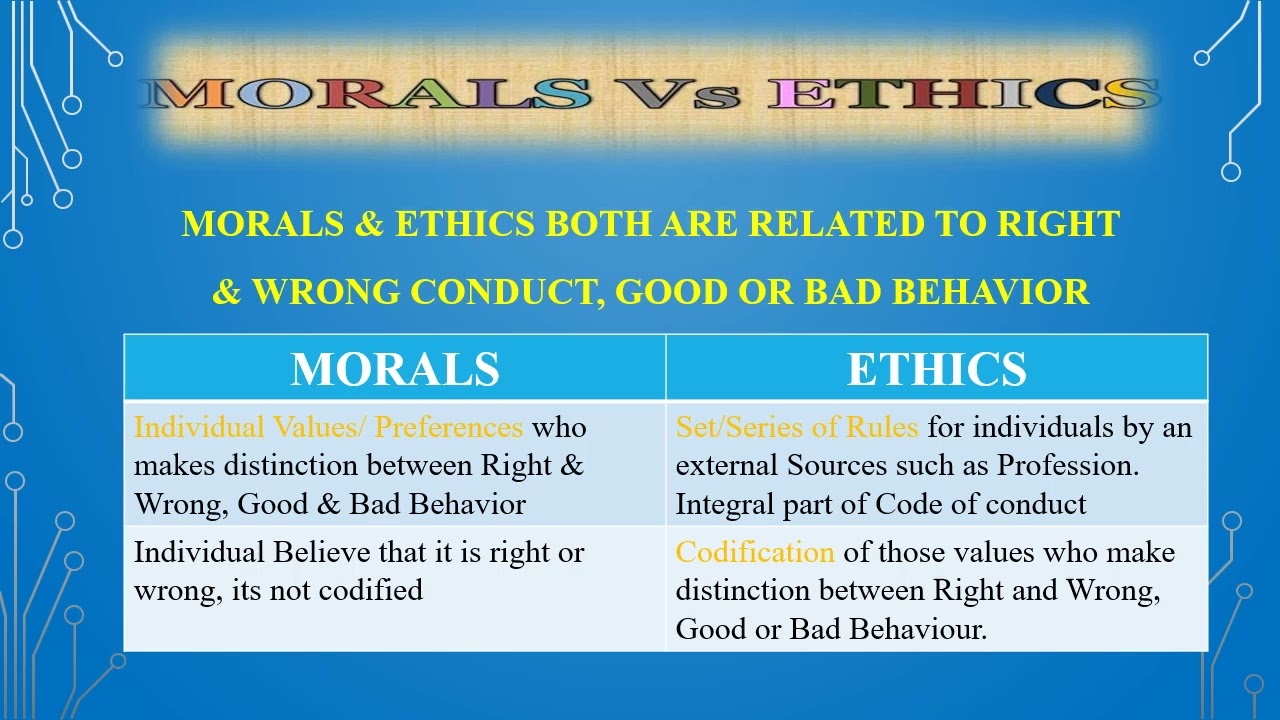
The words ethics and morals are often used interchangeably. Both concern ideas about right and wrong, and both help people decide how to act. But the terms can point to different kinds of guidance: morals are often personal or cultural beliefs, while ethics often refers to principles used to guide conduct within a group, profession, or society.
What Are Morals?
Morals are beliefs about right and wrong that shape a person’s choices and behavior. They may come from family, religion, culture, personal experience, or reflection. For example, someone may believe that honesty is always important, that people should help those in need, or that certain actions are wrong even when they are legal.
Moral beliefs can be deeply personal, but they are also influenced by communities. Different cultures and traditions may hold different views about what counts as respectful, fair, or acceptable. Even within the same community, people can disagree about moral questions.
What Is Ethics?
Ethics is the study of right and wrong, as well as the principles used to guide decisions and behavior. The term is also commonly used for standards that apply to a particular profession, organization, or situation. Medical ethics, journalism ethics, and research ethics are examples.
Professional ethics may set expectations beyond what the law requires. A journalist, for instance, may be expected to verify information and avoid conflicts of interest. A researcher may need to protect participants’ privacy and obtain informed consent. These standards help people make responsible decisions and maintain public trust.
How Do Ethics and Morals Differ?
A useful distinction is that morals often refer to beliefs about right and wrong held by individuals or communities, while ethics often refers to a systematic way of examining those beliefs or to a shared code of conduct.
- Morals: “I believe it is wrong to take credit for someone else’s work.”
- Ethics: “This workplace’s code requires employees to credit colleagues for their contributions.”
However, this distinction is not absolute. In everyday conversation, people frequently use the words as synonyms. Their meanings can also vary across fields and contexts, so it is often best to explain what is meant rather than assume everyone draws the same line between them.
When Ethics and Morals Come Into Conflict
Personal moral beliefs do not always align with professional or institutional rules. A healthcare worker, for example, may have personal convictions that differ from a workplace policy or a patient’s choices. A journalist may feel sympathy for a source but still have an ethical responsibility to verify claims independently.
These conflicts can be difficult because they involve more than simply choosing between “right” and “wrong.” They may require balancing values such as fairness, compassion, honesty, privacy, and responsibility. Ethical frameworks can help people identify who may be affected, consider possible consequences, and explain the reasons behind a decision.
Why the Distinction Matters
Understanding the difference between ethics and morals can make conversations about difficult choices more precise. A disagreement may be about personal values, shared professional standards, or the reasoning used to evaluate both. Identifying the source of the disagreement can make it easier to discuss respectfully and find a responsible way forward.
Ultimately, ethics and morals are closely connected. Morals inform many of the values people bring to decisions, while ethical reflection provides tools for examining those values and considering how actions affect others. Together, they help individuals and communities navigate complex choices with care and accountability.
Understanding Ethics vs. Morals: Key Differences and Common Questions
- What is the difference between ethics and morals?
- Are ethics and morals the same thing?
- What is an example of ethics versus morals?
- Can a person’s morals conflict with professional ethics?
- Are morals personal while ethics are shared rules?
- How do ethics and morals influence decision-making?
- Can something be ethical but still feel morally wrong?
- Where do ethics and morals come from?
- Why is it important to understand the difference between ethics and morals?
What is the difference between ethics and morals?
Ethics and morals both deal with ideas of right and wrong, but they’re often used in slightly different ways. Morals are the personal or shared beliefs and values that guide what people consider right or wrong. Ethics are principles or standards used to examine those beliefs and guide conduct, especially within a profession, organization, or community. The terms can overlap, though, and their meanings depend on context.
Are ethics and morals the same thing?
Ethics and morals are closely related, but they aren’t always the same thing. Morals usually refer to personal or cultural beliefs about right and wrong, while ethics often refers to principles or standards that guide behavior in a profession, organization, or society. In everyday conversation, the terms are often used interchangeably, and their meanings can vary by context.
What is an example of ethics versus morals?
A simple example is giving credit for someone else’s work. A person’s morals may lead them to believe that taking credit dishonestly is wrong, while their workplace’s ethics code may formally require employees to acknowledge others’ contributions. In this case, morals describe a personal belief about right and wrong, while ethics refers to a shared standard guiding conduct.
Can a person’s morals conflict with professional ethics?
Yes. A person’s moral beliefs can conflict with the ethical standards of their profession or workplace. For example, a professional may feel personally uncomfortable with a policy while still being expected to follow established guidelines designed to protect clients, patients, coworkers, or the public. When this happens, it can help to review the relevant code of conduct, consider who could be affected, and seek guidance from a supervisor or ethics committee. Depending on the situation, the person may be able to raise concerns, request an accommodation, or choose a different role—while still meeting any legal and professional responsibilities.
Are morals personal while ethics are shared rules?
Often, yes—but the distinction is a useful shorthand, not a strict rule. Morals are commonly understood as an individual’s or community’s beliefs about right and wrong, while ethics often refers to shared principles or standards that guide conduct in a profession, organization, or society. Still, morals can be shared by groups, and ethics can involve personal judgment, so the terms are sometimes used interchangeably.
How do ethics and morals influence decision-making?
Ethics and morals shape decision-making by helping people judge what is right, fair, and responsible. Personal morals—such as honesty or compassion—guide individual choices, while ethical principles and codes provide shared standards for decisions in workplaces, professions, and communities. When these values point in different directions, people can weigh who may be affected, consider possible consequences, and explain their reasoning before choosing a course of action.
Can something be ethical but still feel morally wrong?
Yes. Something can be considered ethical under a professional code, workplace policy, or set of rules while still feeling morally wrong to an individual. For example, a decision may follow established procedures but seem unfair or harmful based on someone’s personal values. That discomfort can be a reason to examine the decision more closely, consider who may be affected, and ask whether the rules themselves are fair. Ethics and morals often overlap, but they don’t always lead people to the same conclusion.
Where do ethics and morals come from?
Ethics and morals come from a mix of influences, including family, culture, religion, education, personal experience, and reflection. Morals often develop through the values a person learns and adopts, while ethics may also grow from shared standards created by communities, organizations, or professions. Philosophers and religious traditions have long explored questions of right and wrong, and laws and social norms can shape how people think about responsible behavior. Because these influences differ, individuals and societies may hold different views—and those views can change over time.
Why is it important to understand the difference between ethics and morals?
Understanding the difference between ethics and morals helps clarify why people make certain decisions and where disagreements come from. Morals are often personal or cultural beliefs about right and wrong, while ethics are principles or standards used to guide behavior in a profession, organization, or society. Recognizing the distinction can make discussions more precise, help people navigate conflicts between personal convictions and shared responsibilities, and support thoughtful, accountable choices.