Artificial Intelligence in Manufacturing: Transforming the Future of Production
Artificial Intelligence (AI) is revolutionizing the manufacturing industry by enhancing efficiency, reducing costs, and improving product quality. As AI technologies continue to evolve, they are becoming integral components of modern manufacturing processes.
The Role of AI in Manufacturing
AI in manufacturing encompasses a range of technologies, including machine learning, computer vision, and robotics. These technologies enable manufacturers to automate complex tasks, optimize production schedules, and predict maintenance needs.
- Predictive Maintenance: AI algorithms analyze data from machinery sensors to predict equipment failures before they occur. This proactive approach reduces downtime and extends the lifespan of machines.
- Quality Control: Computer vision systems powered by AI can inspect products with high precision, identifying defects that might be missed by human inspectors. This ensures consistent product quality and minimizes waste.
- Supply Chain Optimization: AI helps manufacturers manage their supply chains more effectively by forecasting demand, optimizing inventory levels, and identifying potential bottlenecks.
Benefits of AI in Manufacturing
The integration of AI into manufacturing processes offers numerous benefits:
- Increased Efficiency: Automation powered by AI reduces human intervention in repetitive tasks, allowing workers to focus on more strategic activities.
- Cost Reduction: By minimizing errors and optimizing resource use, AI helps lower production costs significantly.
- Enhanced Flexibility: AI-driven systems can quickly adapt to changes in production requirements or market demands without significant downtime.
- Sustainability: Improved efficiency and reduced waste contribute to more sustainable manufacturing practices.
The Challenges Ahead
Despite its potential benefits, the adoption of AI in manufacturing comes with challenges. These include the need for significant investment in technology infrastructure, concerns about job displacement due to automation, and issues related to data security and privacy.
Tackling these challenges requires a strategic approach that includes workforce training programs to equip employees with new skills and robust cybersecurity measures to protect sensitive data.
The Future of AI in Manufacturing
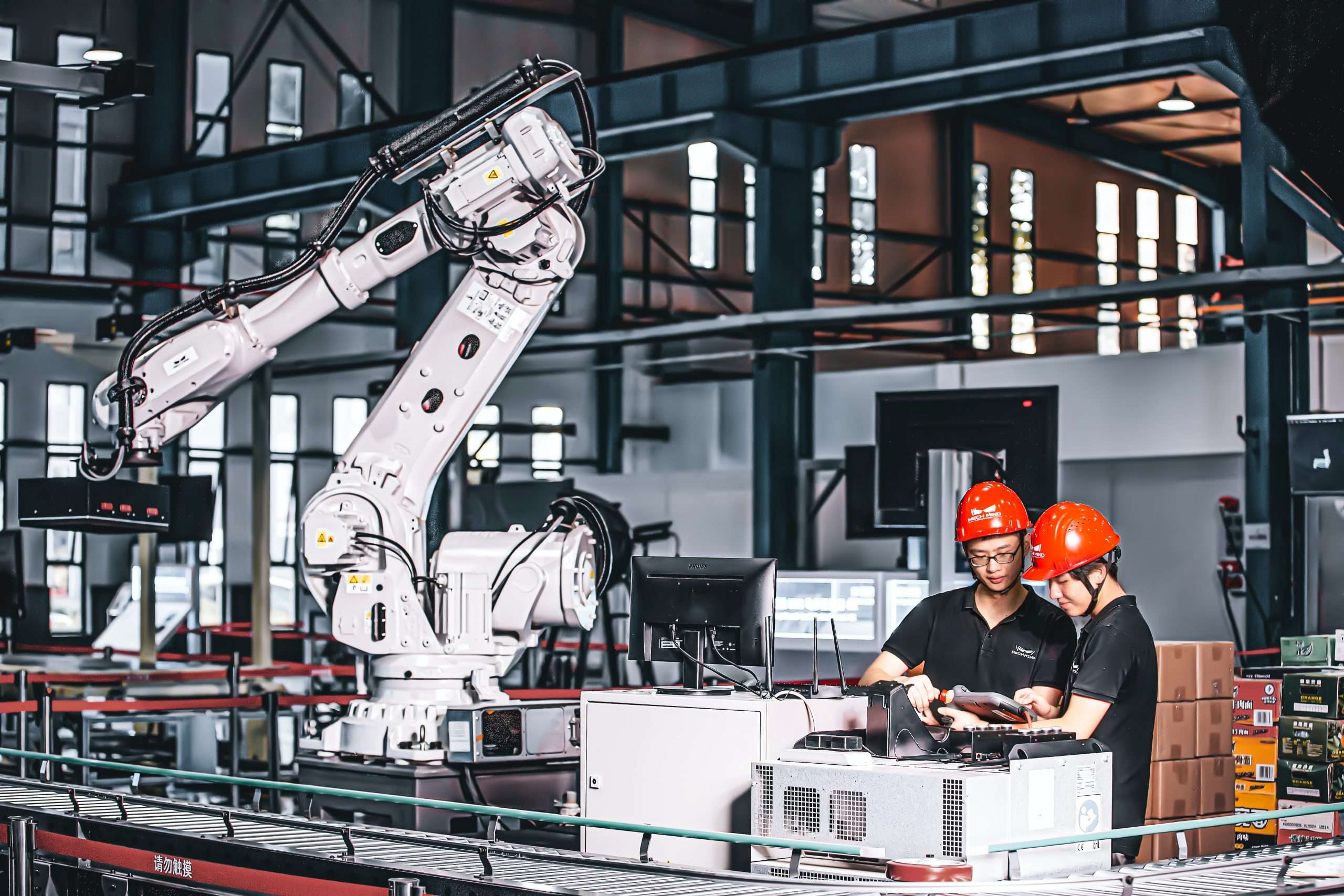
The future looks promising for AI in manufacturing as advancements continue at a rapid pace. Emerging technologies such as edge computing are expected to further enhance real-time data processing capabilities on the factory floor. Additionally, collaborative robots or “cobots” are becoming increasingly common, working alongside humans to enhance productivity while ensuring safety standards are met.
The integration of artificial intelligence into manufacturing is not just an evolution; it’s a revolution that holds the promise of transforming production processes globally. As manufacturers continue embracing these innovations, they will pave the way for smarter factories that deliver higher quality products at lower costs while fostering sustainable practices for future generations.
5 Essential Tips for Implementing AI in Manufacturing: From Problem Identification to Model Maintenance
- Start with a clear production problem to solve.
- Use clean, reliable data from machines and sensors.
- Pilot AI on one line before expanding.
- Keep human experts involved in key decisions.
- Monitor model accuracy and update it regularly.
Start with a clear production problem to solve.
Incorporating artificial intelligence into manufacturing begins most effectively when companies identify a specific production problem they aim to solve. By starting with a clear issue, such as reducing machine downtime or improving quality control, manufacturers can tailor AI solutions to address these challenges directly. This targeted approach ensures that the implementation of AI technologies is strategic and results-driven, leading to more efficient processes and tangible improvements in productivity. Moreover, focusing on a defined problem allows for measurable outcomes, making it easier to assess the return on investment and make informed decisions about scaling AI initiatives across other areas of production. By aligning AI applications with specific production goals, manufacturers can maximize the benefits of these advanced technologies while minimizing unnecessary complexity and costs.
Use clean, reliable data from machines and sensors.
In the realm of artificial intelligence in manufacturing, the importance of using clean, reliable data from machines and sensors cannot be overstated. Accurate data is the foundation upon which AI algorithms build their predictive models and make informed decisions. When data is clean and reliable, it ensures that AI systems can accurately analyze operational patterns, detect anomalies, and predict maintenance needs with precision. This leads to improved efficiency, reduced downtime, and enhanced product quality. Conversely, poor-quality data can result in faulty predictions and suboptimal performance. Therefore, manufacturers must prioritize robust data collection processes and regular maintenance of sensors to ensure that the information feeding into AI systems is both accurate and trustworthy. By doing so, they can fully leverage the transformative potential of AI technologies in their production processes.
Pilot AI on one line before expanding.
Implementing artificial intelligence in manufacturing can be a transformative step, but it’s essential to approach it strategically. One effective tip is to pilot AI technologies on a single production line before expanding across the entire operation. This approach allows manufacturers to evaluate the specific impacts of AI on their processes, identify potential challenges, and make necessary adjustments in a controlled environment. By starting small, companies can gather valuable data and insights, which can inform more extensive rollouts. Additionally, this method helps in refining the integration process and training staff effectively, ensuring that when AI is implemented on a larger scale, it leads to optimal productivity improvements and minimal disruptions.
Keep human experts involved in key decisions.
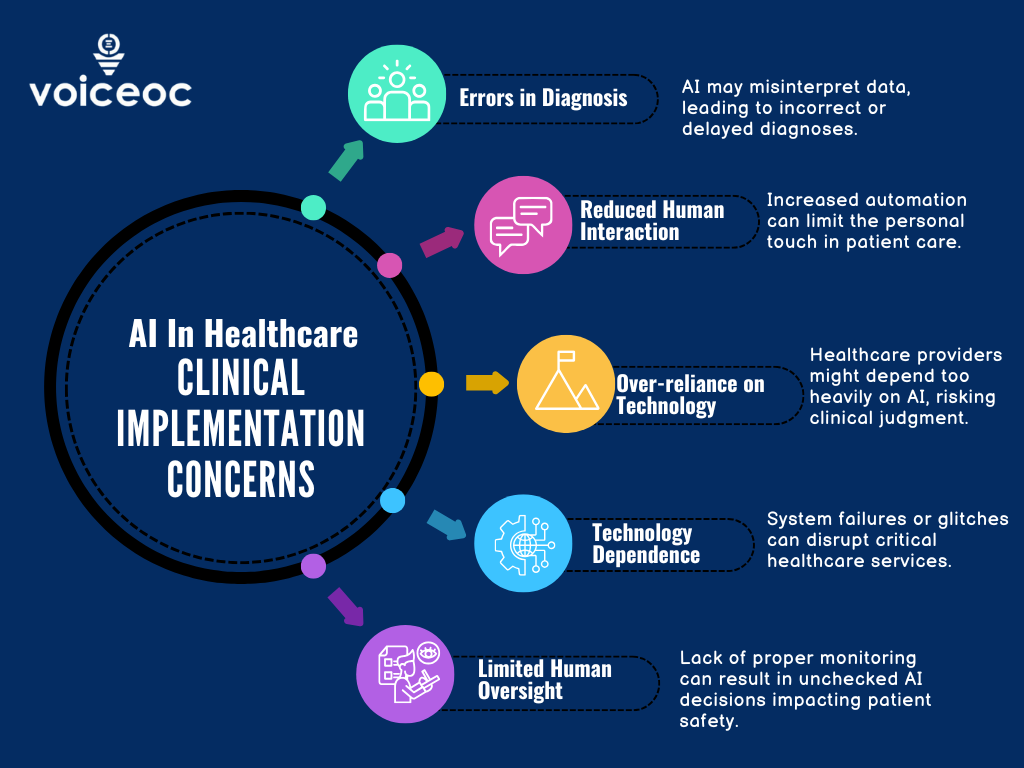
Incorporating artificial intelligence into manufacturing processes offers significant advantages, but it is crucial to keep human experts involved in key decisions. While AI systems excel at analyzing vast amounts of data and optimizing operations, they lack the nuanced understanding and contextual awareness that experienced professionals bring to the table. Human experts can interpret AI-generated insights with a critical eye, considering factors such as ethical implications, safety standards, and long-term strategic goals. By maintaining a collaborative approach where AI augments human decision-making rather than replacing it, manufacturers can harness the full potential of technological advancements while ensuring that critical decisions align with the company’s values and objectives.
Monitor model accuracy and update it regularly.
In the rapidly evolving landscape of artificial intelligence in manufacturing, monitoring model accuracy and updating it regularly is crucial for maintaining optimal performance. AI models that drive automation and decision-making processes rely on accurate data to function effectively. Over time, changes in production environments, variations in input data, and the introduction of new technologies can lead to model drift, where the AI’s predictions or actions become less reliable. Regularly assessing model accuracy ensures that any discrepancies are identified early, allowing for timely updates or retraining with fresh data. This proactive approach not only enhances the reliability and efficiency of manufacturing operations but also helps maintain a competitive edge by ensuring that AI systems continue to deliver accurate insights and improvements aligned with current industry standards.