The Rise of AI in Enterprise: Transforming Business Landscapes
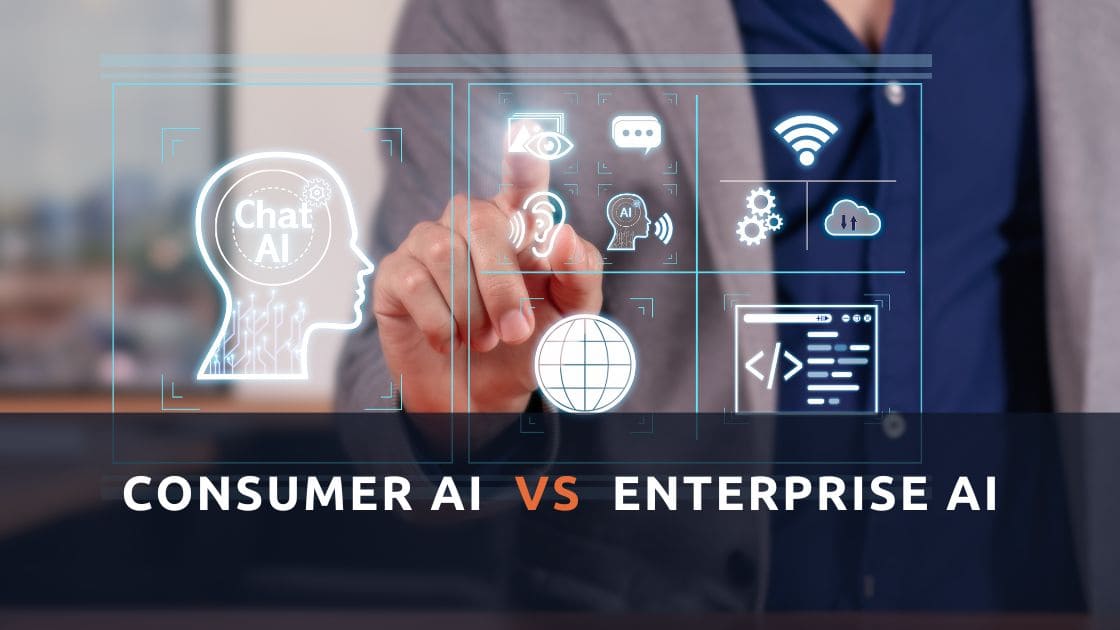
Artificial Intelligence (AI) is no longer a futuristic concept; it has become an integral part of modern enterprises. From streamlining operations to enhancing customer experiences, AI is transforming the way businesses operate across various sectors.
AI’s Role in Modern Enterprises
AI technologies are being leveraged by enterprises to gain a competitive edge. Here are some key areas where AI is making a significant impact:
- Data Analysis: AI algorithms can process vast amounts of data quickly and accurately, providing businesses with valuable insights for decision-making.
- Customer Service: Chatbots and virtual assistants powered by AI are improving customer service by providing instant responses and personalized interactions.
- Automation: Routine tasks such as inventory management and scheduling are being automated, allowing employees to focus on more strategic activities.
- Predictive Maintenance: In industries like manufacturing, AI predicts equipment failures before they occur, reducing downtime and maintenance costs.
The Benefits of AI Adoption
The integration of AI into enterprise systems offers numerous advantages. Here are some notable benefits:
- Increased Efficiency: By automating repetitive tasks, businesses can operate more efficiently and reduce human error.
- Cost Savings: Automation leads to significant cost reductions by minimizing resource wastage and optimizing processes.
- Enhanced Decision-Making: With access to real-time data insights, companies can make informed decisions that drive growth.
- Improved Customer Experience: Personalized services driven by AI can enhance customer satisfaction and loyalty.
The Challenges of Implementing AI
Despite its benefits, adopting AI in enterprise settings comes with challenges. Some common hurdles include:
- Lack of Expertise: Implementing AI requires specialized skills that many organizations may lack internally.
- Cultural Resistance: Employees may resist changes brought about by automation due to fear of job displacement.
- Data Privacy Concerns: Handling sensitive data with AI systems raises privacy issues that must be addressed carefully.
- Cost of Implementation: The initial investment for developing and deploying AI solutions can be substantial for some businesses.
The Future of AI in Enterprises
The future looks promising as more enterprises recognize the potential of integrating AI into their operations. As technology advances, we can expect even greater adoption across industries such as healthcare, finance, retail, and logistics. Companies will continue to explore innovative ways to harness the power of artificial intelligence for sustainable growth and success in an increasingly competitive market landscape.
The journey toward widespread enterprise adoption is just beginning—and those who embrace this technological evolution will likely lead their industries into new realms of possibility.
9 Essential Tips for Successfully Implementing AI in Your Enterprise
- Start with a clear business problem.
- Use reliable, high-quality data.
- Protect sensitive information.
- Set responsible AI guidelines.
- Keep humans involved in key decisions.
- Test models before deployment.
- Monitor accuracy and bias over time.
- Train employees to use AI effectively.
- Measure business impact regularly.
Start with a clear business problem.
When implementing AI in an enterprise setting, it’s crucial to start with a clear business problem. Identifying a specific challenge or opportunity that AI can address ensures that the technology is applied effectively and generates tangible benefits. By focusing on a well-defined problem, businesses can tailor AI solutions to meet their unique needs, leading to more targeted outcomes and higher returns on investment. This approach also helps in aligning stakeholders and resources toward a common goal, promoting smoother integration of AI into existing systems. Ultimately, starting with a clear business problem not only streamlines the implementation process but also maximizes the impact of AI initiatives within the organization.
Use reliable, high-quality data.
In the realm of AI enterprise, the importance of using reliable, high-quality data cannot be overstated. High-quality data serves as the foundation for effective AI models, directly influencing their accuracy and performance. When data is consistent, complete, and relevant, AI algorithms can learn more effectively, leading to better decision-making and more accurate predictions. Conversely, poor-quality data can result in flawed insights and unreliable outcomes, potentially leading businesses astray. Therefore, enterprises must prioritize data integrity by implementing robust data collection and cleaning processes to ensure that their AI systems are built on trustworthy information. By doing so, companies not only enhance the effectiveness of their AI initiatives but also gain a competitive edge in leveraging technology to drive innovation and growth.
Protect sensitive information.
In the realm of AI enterprise, protecting sensitive information is paramount to maintaining trust and compliance. As businesses increasingly rely on AI systems to process and analyze vast amounts of data, they must ensure that robust security measures are in place to safeguard confidential information. This involves implementing strong encryption protocols, access controls, and regular security audits to prevent unauthorized access and data breaches. Additionally, organizations should prioritize transparency by clearly communicating how data is collected, stored, and used with stakeholders. By taking these precautions, enterprises can mitigate risks associated with data privacy and build confidence among customers and partners in their AI-driven initiatives.
Set responsible AI guidelines.
Incorporating AI into enterprise operations necessitates the establishment of responsible AI guidelines to ensure ethical and fair usage. These guidelines serve as a framework for developing and deploying AI technologies in a manner that aligns with an organization’s values and societal norms. By setting clear parameters, businesses can address potential biases, enhance transparency, and protect user privacy. Responsible AI guidelines also help mitigate risks associated with unintended consequences, ensuring that AI systems are designed to be accountable and trustworthy. As enterprises increasingly rely on AI to drive decision-making processes, establishing these guidelines becomes crucial in maintaining public trust and fostering sustainable innovation.
Keep humans involved in key decisions.
In the rapidly evolving landscape of AI enterprise applications, maintaining human involvement in key decisions is crucial. While AI can process data and generate insights at unprecedented speeds, it lacks the nuanced understanding and ethical considerations that humans bring to complex situations. By keeping humans in the decision-making loop, businesses can ensure that AI-driven actions align with organizational values and societal norms. This collaborative approach helps mitigate risks associated with automation, such as biased outcomes or unintended consequences, and fosters a sense of accountability. Ultimately, blending human judgment with AI capabilities leads to more balanced and informed decisions that benefit both the organization and its stakeholders.
Test models before deployment.
Testing AI models before deployment is crucial for ensuring their effectiveness and reliability in enterprise applications. By conducting thorough evaluations, businesses can identify potential issues and biases that may affect the model’s performance in real-world scenarios. This process involves validating the model with diverse datasets to ensure it generalizes well and meets the desired accuracy levels. Additionally, testing helps in assessing the model’s scalability and integration capabilities within existing systems. By addressing these factors prior to deployment, enterprises can minimize risks, enhance user trust, and achieve optimal outcomes from their AI investments.
Monitor accuracy and bias over time.
In the realm of AI enterprise, continuously monitoring accuracy and bias is crucial for maintaining the integrity and effectiveness of AI systems. As AI models are deployed, they interact with dynamic data environments that can evolve over time, potentially affecting their performance. Regularly assessing the accuracy of these models ensures they provide reliable outputs and continue to meet business objectives. Additionally, monitoring for bias is essential to prevent unfair or discriminatory outcomes that could result from skewed data or flawed algorithms. By implementing ongoing evaluation processes, enterprises can adapt their AI systems to changing conditions, uphold ethical standards, and enhance decision-making processes across their operations.
Train employees to use AI effectively.
Training employees to use AI effectively is crucial for maximizing the benefits of AI integration within an enterprise. By equipping staff with the necessary skills and knowledge, businesses can ensure that AI tools are utilized to their full potential, leading to increased productivity and innovation. Training programs should focus on both technical aspects, such as understanding how AI algorithms work, and practical applications, like leveraging AI for data analysis or customer service enhancements. Additionally, fostering a culture of continuous learning will help employees stay updated with the latest advancements in AI technology. This approach not only empowers employees but also helps mitigate resistance to change by demonstrating how AI can complement their roles rather than replace them.
Measure business impact regularly.
Incorporating AI into enterprise operations can significantly enhance efficiency and drive innovation, but it is crucial to measure business impact regularly to ensure these technologies are delivering the desired outcomes. By consistently evaluating key performance indicators (KPIs) and metrics, businesses can assess how AI initiatives contribute to overall goals such as cost reduction, revenue growth, or improved customer satisfaction. Regular measurement allows organizations to identify areas where AI implementations are excelling and those that may require adjustments or additional resources. This proactive approach not only maximizes the return on investment but also ensures that AI strategies remain aligned with evolving business objectives and market conditions.