The Rise of AI Automation: Transforming Industries and Shaping the Future
Artificial Intelligence (AI) automation is rapidly transforming industries across the globe. By leveraging advanced algorithms and machine learning, businesses are automating processes that were once thought to require human intelligence. This shift not only increases efficiency but also opens up new possibilities for innovation and growth.
Understanding AI Automation
AI automation involves the use of AI technologies to perform tasks without human intervention. These tasks can range from simple data entry to complex decision-making processes. The core components of AI automation include machine learning, natural language processing, and robotic process automation (RPA).
Key Benefits of AI Automation
- Increased Efficiency: By automating repetitive tasks, businesses can significantly reduce time spent on manual processes, allowing employees to focus on more strategic activities.
- Error Reduction: Machines are less prone to errors compared to humans, leading to higher accuracy in tasks such as data analysis and processing.
- Cost Savings: Automating tasks can lead to substantial cost savings by reducing the need for manual labor and minimizing operational expenses.
- Scalability: AI systems can easily scale operations without a proportional increase in costs or resources, making it easier for businesses to expand.
Impact on Various Industries
The impact of AI automation is being felt across numerous industries:
Manufacturing
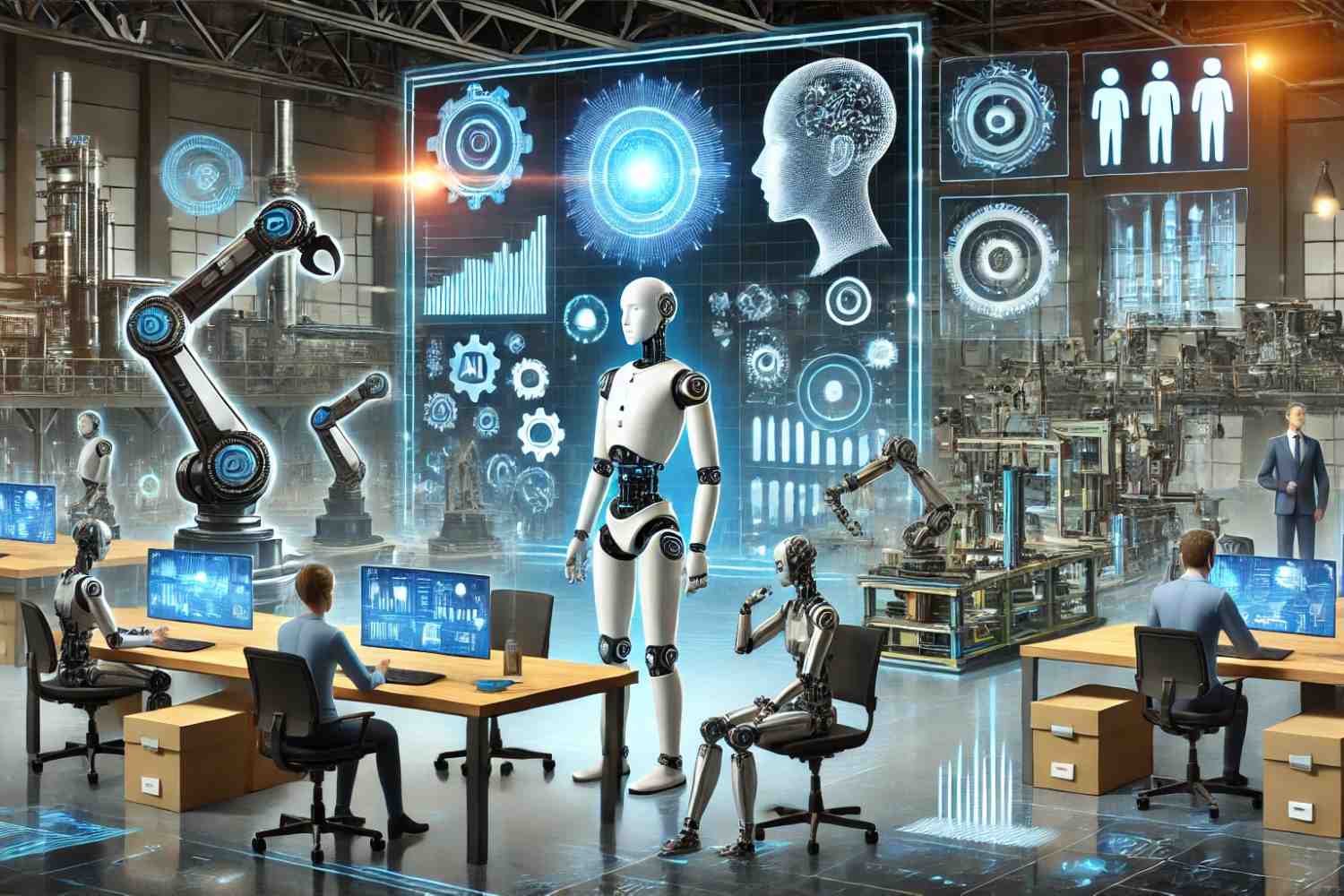
In manufacturing, AI-powered robots are streamlining production lines by performing tasks such as assembly, quality control, and packaging. This not only speeds up production but also ensures consistent product quality.
Healthcare
The healthcare industry is utilizing AI automation for patient diagnostics, treatment planning, and administrative tasks. For example, AI algorithms can analyze medical images with high precision, aiding doctors in diagnosing diseases more accurately.
Finance
The finance sector benefits from AI automation through enhanced fraud detection systems and automated trading platforms. These technologies analyze vast amounts of data in real-time to detect unusual patterns or opportunities in the market.
The Future of Work with AI Automation
The rise of AI automation is reshaping the future landscape of work. While there are concerns about job displacement due to automation, many experts believe that it will create new job opportunities that require advanced skills in technology management and oversight.
“As routine jobs become automated, there will be a growing demand for roles that involve creativity, problem-solving, and emotional intelligence.”
Navigating Challenges
The transition towards widespread AI automation does present challenges such as ethical considerations around decision-making transparency and ensuring data privacy. It is crucial for policymakers and industry leaders to address these issues proactively.
A Collaborative Approach
A successful integration of AI automation requires collaboration between technologists, business leaders, educators, and governments. By working together towards common goals like workforce reskilling programs or ethical guidelines development we can harness this powerful technology responsibly while maximizing its benefits globally!
Conclusion: Embracing Change with Caution & Optimism!
7 Essential Tips for Successfully Implementing AI Automation in Your Business
- Automate repetitive, rule-based tasks first.
- Set clear goals before choosing AI tools.
- Keep humans involved in high-stakes decisions.
- Protect sensitive data with strong access controls.
- Test workflows before deploying them widely.
- Monitor results and review errors regularly.
- Train staff to use and oversee AI tools.
Automate repetitive, rule-based tasks first.
When implementing AI automation, a strategic starting point is to focus on automating repetitive, rule-based tasks. These tasks often involve predictable processes that follow a set of clear rules and do not require complex decision-making. By targeting these activities first, businesses can quickly achieve efficiency gains and cost savings. Automating such tasks allows employees to shift their focus from mundane duties to more value-added activities that require creativity and critical thinking. This approach not only enhances productivity but also improves job satisfaction by freeing workers from monotonous routines. Moreover, successfully automating these straightforward tasks can serve as a foundation for tackling more complex automation projects in the future.
Set clear goals before choosing AI tools.
When implementing AI automation, setting clear goals before selecting tools is crucial for success. Defining specific objectives helps ensure that the chosen AI technologies align with the business’s needs and strategic vision. Without clear goals, organizations risk investing in tools that may not effectively address their challenges or deliver the desired outcomes. By understanding what they aim to achieve—whether it’s improving efficiency, enhancing customer experience, or reducing costs—businesses can make informed decisions about which AI solutions will provide the most value. This approach not only maximizes return on investment but also streamlines the integration process, making it easier to measure progress and adjust strategies as needed.
Keep humans involved in high-stakes decisions.
In the realm of AI automation, keeping humans involved in high-stakes decisions is crucial to ensure ethical and accurate outcomes. While AI systems excel at processing vast amounts of data quickly, they may lack the nuanced understanding and moral reasoning that human judgment provides. By involving humans in critical decision-making processes, organizations can balance the efficiency of AI with the insight and empathy of human experience. This collaboration helps mitigate risks associated with errors or biases in automated systems, ensuring that decisions align with societal values and ethical standards. Ultimately, maintaining human oversight in high-stakes situations fosters trust and accountability in AI-driven processes.
Protect sensitive data with strong access controls.
In the era of AI automation, protecting sensitive data with strong access controls is more crucial than ever. As businesses increasingly rely on automated systems to handle vast amounts of information, ensuring that only authorized personnel have access to sensitive data becomes essential to safeguarding privacy and maintaining trust. Implementing robust access controls involves setting up multi-factor authentication, regularly updating permissions based on role changes, and continuously monitoring access logs for any unusual activity. By doing so, organizations can mitigate the risk of data breaches and ensure compliance with data protection regulations while leveraging the full potential of AI automation.
Test workflows before deploying them widely.
Before deploying an AI-automated workflow widely, test it on a small scale to catch problems early. Use realistic examples, including unusual cases, and check that the system produces accurate, consistent results while protecting sensitive data. Gather feedback from the people who will use or oversee the workflow, then refine it based on what you learn. A gradual rollout with clear monitoring and a rollback plan can help prevent a minor issue from becoming a larger disruption.
Monitor results and review errors regularly.
Monitoring results and reviewing errors regularly is a crucial practice in AI automation to ensure optimal performance and continuous improvement. By consistently analyzing the outcomes of automated processes, businesses can identify patterns, detect anomalies, and address any inaccuracies that may arise. This proactive approach allows for timely adjustments and refinements to the AI models, enhancing their accuracy and efficiency over time. Regular error reviews also provide valuable insights into potential areas of improvement, helping organizations refine their strategies and maintain a competitive edge. Ultimately, this diligent oversight fosters a more reliable and effective AI automation system that aligns with business goals.
Train staff to use and oversee AI tools.
Training staff to use and oversee AI tools is crucial for maximizing the benefits of AI automation within an organization. By equipping employees with the necessary skills to operate and manage these advanced technologies, businesses can ensure a seamless integration of AI into their workflows. This training not only enhances productivity by enabling staff to effectively utilize AI tools but also empowers them to identify potential issues and optimize processes. Furthermore, having knowledgeable personnel oversee AI operations helps maintain a level of human oversight, ensuring that ethical considerations are upheld and that the technology aligns with the organization’s goals. Investing in comprehensive training programs ultimately fosters a culture of innovation and adaptability, positioning the company for long-term success in an increasingly automated world.