Values in Ethics: How Our Beliefs Shape Our Choices
Everyday decisions often involve more than rules or practical consequences. They also reflect what people consider important: fairness, honesty, freedom, compassion, responsibility, or respect. These guiding ideals are known as values, and they play a central role in ethics—the study of how people ought to act.
What Are Ethical Values?
Ethical values are beliefs about what is worthwhile, right, or important in how people treat one another and live together. They help shape judgments about actions, relationships, and institutions. For example, valuing honesty may lead someone to tell the truth even when doing so is uncomfortable. Valuing fairness may lead a manager to apply the same standards to every employee.
Values are not exactly the same as rules. A rule tells people what to do or avoid in a particular situation, while a value expresses a broader ideal behind that rule. A workplace rule against sharing private customer information, for instance, may reflect values such as privacy, trust, and respect.
Common Values in Ethical Decision-Making
- Honesty: Communicating truthfully and avoiding deception.
- Fairness: Treating people impartially and considering whether benefits and burdens are distributed justly.
- Respect: Recognizing the dignity, rights, and perspectives of others.
- Compassion: Taking others’ needs and suffering seriously.
- Responsibility: Accepting accountability for choices and their effects.
- Integrity: Acting consistently with one’s ethical commitments, including when doing so is difficult.
- Autonomy: Supporting people’s ability to make informed choices about their own lives.
These values are widely recognized, but people may interpret or prioritize them differently. One person may emphasize personal freedom, while another focuses on preventing harm to the community. Ethical discussion helps make those differences visible and gives people a way to examine them carefully.
When Values Conflict
Ethical decisions are often challenging because more than one important value is at stake. Consider a manager deciding whether to share information about a colleague’s mistake. Honesty and accountability may support disclosure, while compassion and privacy may call for care in how the information is handled. The challenge is not always choosing between a clearly good option and a clearly bad one. It may be deciding how to honor several legitimate concerns at once.
Values can also conflict with personal interests, social expectations, or organizational goals. A company may value transparency but worry that revealing a problem will damage its reputation. A person may value fairness but feel pressure to favor a friend. In these moments, naming the values involved can clarify what is at stake and help distinguish ethical reasons from convenience or self-interest.
Values and Ethical Principles
Ethical values often inform broader principles used to guide conduct. The value of compassion, for example, may support the principle of helping people who are at risk. Respect for autonomy may support informed consent—the practice of ensuring that people understand and agree to decisions affecting them. Principles translate broad ideals into more practical guidance, though they still require judgment when circumstances are complicated.
Different ethical approaches may emphasize different considerations. Some focus on duties and rights; others examine consequences, character, relationships, or fairness. These approaches can offer useful perspectives on the same decision. Looking at a choice from more than one angle can reveal impacts or obligations that might otherwise be missed.
How to Apply Values in Practice
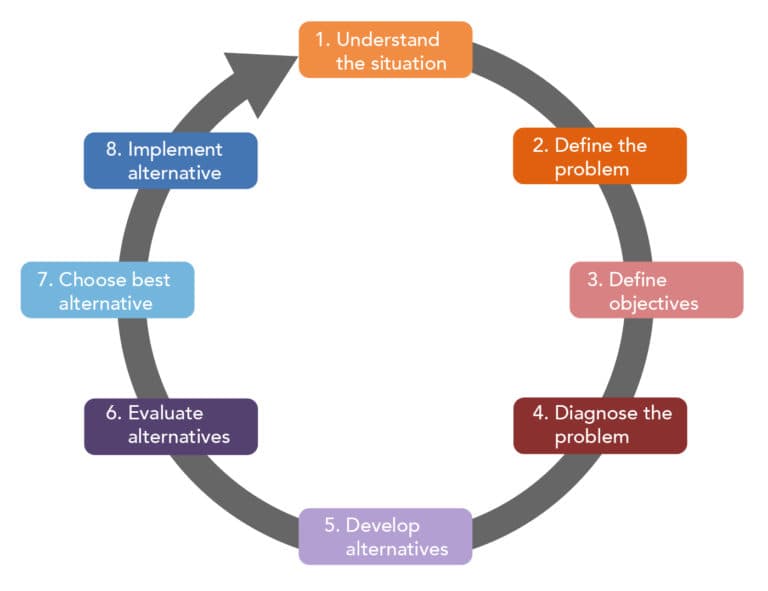
Values become meaningful when they guide behavior. A practical way to use them in an ethical decision is to:
- Describe the situation clearly. Separate confirmed facts from assumptions, and identify who may be affected.
- Name the values involved. Consider which values support each possible response.
- Look for conflicts. Ask whether protecting one value could undermine another.
- Consider consequences and responsibilities. Think about likely effects, relevant duties, rights, and commitments.
- Seek other perspectives. People affected by a decision may notice concerns that decision-makers have overlooked.
- Choose a course of action and explain it. A well-considered decision should be defensible in terms of both its reasoning and its effects.
- Reflect afterward. Review what happened and consider whether the decision matched the values it was meant to uphold.
Putting Values Into Action
A person or organization can describe its values without consistently living by them. The gap between stated ideals and actual behavior matters. A commitment to fairness, for example, should be reflected in policies, everyday decisions, and ways of addressing complaints. Similarly, a commitment to respect should influence how people listen, communicate, and handle disagreement.
Practicing ethical values does not mean that every decision will be simple or that everyone will agree. It means taking competing concerns seriously, being willing to explain choices, and accepting responsibility for their effects. When values are examined thoughtfully and applied consistently, they can help people make decisions that are more accountable, humane, and just.
Understanding and Applying Ethical Values: Key Questions and Insights
- What are values in ethics?
- Why are values important in ethical decision-making?
- What are some examples of ethical values?
- How do ethical values differ from morals and principles?
- What should you do when ethical values conflict?
- How can individuals and organizations put ethical values into practice?
What are values in ethics?
In ethics, values are the principles and ideals people use to judge what is important, right, or worthwhile. Values such as honesty, fairness, respect, compassion, and responsibility help guide decisions and shape how people treat one another. They can also inform ethical rules and policies, especially when a choice involves competing interests or affects others.
Why are values important in ethical decision-making?
Values are important in ethical decision-making because they help people identify what matters, evaluate their options, and choose actions they can justify. Values such as honesty, fairness, respect, and compassion can guide behavior when rules do not provide a clear answer or when important principles conflict. Considering these values also helps people recognize who may be affected by a decision and take responsibility for its consequences.
What are some examples of ethical values?
Examples of ethical values include honesty, fairness, respect, compassion, responsibility, integrity, and kindness. Honesty means telling the truth and avoiding deception, while fairness involves treating people impartially. Respect recognizes others’ dignity and rights, and compassion means responding thoughtfully to their needs. Responsibility and integrity guide people to keep commitments, accept accountability, and act consistently with their principles. These values can help individuals and communities make thoughtful choices, especially when facing difficult decisions.
How do ethical values differ from morals and principles?
Ethical values, morals, and principles are closely related, but they serve different roles. Ethical values are broad ideals—such as honesty, fairness, and respect—that people consider important. Morals are beliefs or standards about right and wrong, often shaped by culture, family, religion, or personal experience. Principles are more specific guidelines for applying values and morals to decisions, such as treating people consistently or respecting their autonomy. For example, fairness may be a value, a moral belief that discrimination is wrong, and a principle guiding equal treatment in a particular situation.
What should you do when ethical values conflict?
When ethical values conflict, start by identifying which values are at stake and who may be affected. Gather the relevant facts, consider the likely consequences of each option, and look for a solution that respects people’s rights while reducing harm. It can help to consult trusted colleagues or people directly affected, especially if they bring perspectives you may have missed. If no option honors every value, choose the most defensible course of action, explain your reasoning, and take responsibility for the outcome.
How can individuals and organizations put ethical values into practice?
Individuals and organizations can put ethical values into practice by turning broad ideals—such as honesty, fairness, respect, and responsibility—into clear, consistent actions. Individuals can pause to consider who may be affected by a decision, seek different perspectives, and take responsibility for the results. Organizations can reinforce their values through practical policies, transparent communication, fair procedures, ethics training, and safe ways to raise concerns. Most importantly, values should guide everyday choices, not just appear in mission statements, and leaders should model the behavior they expect from others.