The Best AI Chatbots of 2023: Revolutionizing Digital Interaction
As artificial intelligence continues to advance, AI chatbots have become an integral part of how businesses and individuals interact online. These sophisticated programs can manage customer service inquiries, provide personalized recommendations, and even engage in meaningful conversations. Here’s a look at some of the best AI chatbots available in 2023 that are setting new standards in digital interaction.
ChatGPT
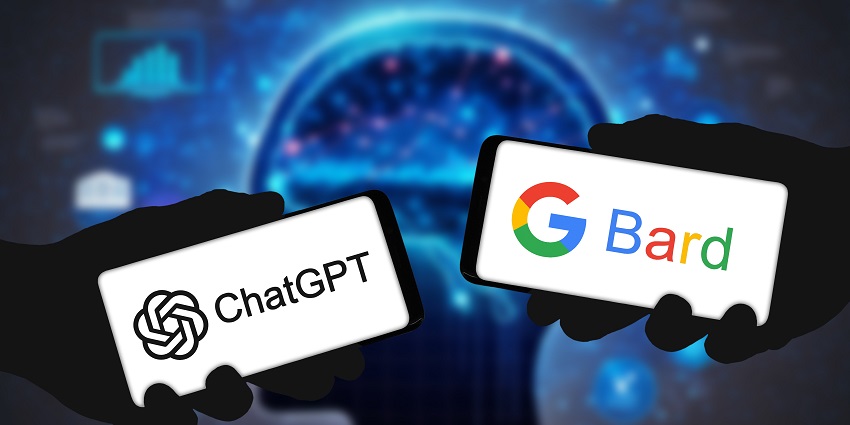
Developed by OpenAI, ChatGPT has quickly gained recognition for its ability to understand context and generate human-like responses. It’s widely used across various industries for customer support, content creation, and more. Its powerful language model allows it to adapt to different conversational styles, making it a versatile tool for businesses.
Google Bard
Google Bard is designed to assist with a wide range of tasks by leveraging Google’s extensive data resources. It excels in providing accurate information quickly and is integrated into many Google services, enhancing user experience by offering seamless assistance across platforms.
Microsoft Azure Bot Service
This chatbot platform offers developers the tools needed to create intelligent bots that can be deployed across multiple channels like websites, apps, and social media. With Azure’s robust cognitive services, these bots are capable of understanding natural language and providing insightful responses.
IBM Watson Assistant
Known for its enterprise-grade capabilities, IBM Watson Assistant is ideal for businesses looking to implement AI-driven customer service solutions. It uses machine learning to improve over time and offers features like sentiment analysis to better understand user emotions during interactions.
Replika
Aimed at personal use rather than business applications, Replika is designed as a companion chatbot that engages users in deep conversations about life and personal experiences. It’s popular among those seeking emotional support or simply wanting a virtual friend.
The Future of AI Chatbots
The development of AI chatbots shows no signs of slowing down as technology continues to evolve rapidly. Future advancements are likely to focus on improving emotional intelligence within chatbots, enabling them to understand not just the words but also the emotions behind them.
The best AI chatbots will continue to transform how we interact with technology by offering more personalized and efficient experiences across various domains.
Top 8 Advantages of the Best AI Chatbot: Elevating Customer Experience and Business Efficiency
- 1. Enhanced Customer Service
- 2. Personalized Interactions
- 3. Scalability
- 4. Cost-Effective
- 5. Data Analysis
- 6. Consistency
- 7. Accessibility
- 8. Integration Capabilities
7 Drawbacks of Leading AI Chatbots: From Privacy Issues to Technical Constraints
- 1. Lack of Emotional Intelligence
- 2. Privacy Concerns
- 3. Limited Contextual Understanding
- 4. Dependency on Training Data
- 5. Inability to Handle Unforeseen Scenarios
- 6. Potential for Bias
- 7. Technical Limitations
1. Enhanced Customer Service
AI chatbots have revolutionized customer service by offering enhanced support around the clock. Unlike traditional customer service representatives, these chatbots are available 24/7, ensuring that customers receive immediate assistance regardless of the time or day. This constant availability significantly reduces response times, enabling businesses to address inquiries and resolve issues more efficiently. As a result, customer satisfaction levels are boosted, as individuals appreciate the quick and reliable service they receive. By handling routine questions and tasks, AI chatbots also free up human agents to focus on more complex issues, further enhancing the overall customer experience.
2. Personalized Interactions
One of the standout advantages of the best AI chatbots is their ability to deliver personalized interactions. By analyzing user preferences and past interactions, these chatbots can tailor their responses to meet individual needs and expectations. This level of personalization enhances user experience by making conversations feel more relevant and engaging. For instance, a chatbot might remember a user’s favorite products or frequently asked questions, allowing it to provide quicker and more accurate assistance in future interactions. This not only improves customer satisfaction but also fosters a sense of connection between users and brands, as individuals feel understood and valued through customized communication.
3. Scalability
One of the standout advantages of the best AI chatbots is their scalability, which allows them to manage multiple conversations at the same time without compromising on performance or response quality. This capability is particularly beneficial for businesses experiencing high traffic, as it ensures that every customer inquiry is addressed promptly and efficiently. Unlike human agents who can handle only a limited number of interactions at once, AI chatbots can seamlessly scale to meet demand, providing consistent support around the clock. This not only enhances customer satisfaction by reducing wait times but also allows businesses to optimize their resources and focus on more complex tasks that require human intervention.
4. Cost-Effective
AI chatbots offer a cost-effective solution for businesses by significantly reducing the reliance on human agents. By automating routine inquiries and tasks, chatbots allow companies to handle a higher volume of customer interactions without the need to scale up their workforce. This not only leads to substantial savings in labor costs but also frees up human agents to focus on more complex and high-value tasks that require personal attention. Additionally, chatbots operate 24/7, providing consistent support without the added expense of overtime or shift differentials. As a result, businesses can optimize their resources while maintaining high levels of customer satisfaction and engagement.
5. Data Analysis
One of the significant advantages of the best AI chatbots is their ability to perform data analysis by collecting valuable information on user behavior and preferences. This capability allows businesses to gain insights into customer needs and tailor their services accordingly. By analyzing interactions, chatbots can identify common questions, preferences, and pain points, enabling companies to refine their offerings and enhance customer satisfaction. Additionally, this data-driven approach helps in personalizing user experiences, as chatbots can recommend products or services based on past interactions and preferences. Ultimately, the data analysis capabilities of AI chatbots not only improve service quality but also drive strategic decision-making for businesses.
6. Consistency
Chatbots provide a valuable benefit in terms of consistency by delivering uniform responses to users, thus maintaining a cohesive brand experience. This reliability ensures that customers receive the same level of service and information regardless of the time or channel they choose to interact with the chatbot. Consistent messaging helps reinforce brand identity and builds trust with users, creating a seamless and reliable communication experience that aligns with the brand’s values and standards.
7. Accessibility
AI chatbots excel in accessibility by offering instant assistance to users around the clock, regardless of their location. This feature eliminates geographical and time zone barriers, enabling businesses to provide continuous support and engagement. Whether a user is seeking help at midnight or from a remote area, AI chatbots are always available to respond promptly. This accessibility ensures that users receive timely information and solutions, enhancing customer satisfaction and fostering a sense of reliability. By bridging the gap between different time zones and regions, AI chatbots help create a seamless global user experience.
8. Integration Capabilities
AI chatbots excel in integration capabilities, allowing them to seamlessly connect with a wide range of platforms and systems. This feature enables businesses to provide a unified and consistent user experience across multiple channels, such as websites, mobile apps, social media, and customer service portals. By integrating with existing systems like CRM software, e-commerce platforms, and data analytics tools, AI chatbots can access relevant information in real-time, ensuring that users receive accurate and personalized responses. This seamless connectivity not only enhances operational efficiency but also improves customer satisfaction by providing quick and coherent interactions regardless of the platform used.
1. Lack of Emotional Intelligence
One significant drawback of the best AI chatbots is their lack of emotional intelligence, which can hinder their ability to effectively understand and respond to complex human emotions. While these chatbots are highly advanced in processing language and providing information, they often fall short when it comes to interpreting the nuances of human feelings. This limitation can lead to interactions that feel mechanical or unsympathetic, especially in situations where empathy and emotional support are crucial. As a result, users might experience frustration or dissatisfaction when engaging with chatbots that fail to recognize or appropriately respond to their emotional cues, highlighting the importance of ongoing advancements in this area for more meaningful human-AI interactions.
2. Privacy Concerns
Privacy concerns are a significant drawback when it comes to using the best AI chatbots. Users often hesitate to share sensitive information with these digital assistants due to fears about data privacy and security. As chatbots collect and process large amounts of personal data to function effectively, there is always a risk of unauthorized access or data breaches. Additionally, users may be uncertain about how their information is stored and used, leading to apprehension about potential misuse or exploitation. This concern is further exacerbated by the lack of transparency in how some companies handle data, making it crucial for developers to prioritize robust security measures and clear privacy policies to build trust with users.
3. Limited Contextual Understanding
While AI chatbots have made significant strides in natural language processing, they still face challenges with limited contextual understanding. This limitation can become evident when chatbots encounter nuanced or ambiguous language, which humans typically navigate with ease. For instance, idiomatic expressions, sarcasm, or context-dependent phrases can confuse a chatbot, leading to responses that may not align with the user’s intent. Such misunderstandings can result in frustration for users who expect seamless interactions. Despite ongoing improvements in AI models, achieving the depth of understanding that mirrors human comprehension remains a complex hurdle for developers working on chatbot technology.
4. Dependency on Training Data
The effectiveness of AI chatbots is significantly influenced by their dependency on training data, which poses a substantial con. These chatbots require vast amounts of high-quality data to learn and function optimally. If the training data is biased, outdated, or insufficient, it can lead to inaccurate or inappropriate responses, diminishing the user experience. Moreover, chatbots trained on limited datasets might struggle to understand diverse linguistic nuances or cultural references, resulting in interactions that feel unnatural or disconnected. This dependency means that ongoing efforts are necessary to continually update and refine the training data to ensure that AI chatbots remain relevant and effective in a rapidly changing world.
5. Inability to Handle Unforeseen Scenarios
AI chatbots, despite their advanced capabilities, often encounter challenges when dealing with unforeseen scenarios. These situations can arise when a user asks a question or presents a problem that falls outside the chatbot’s programmed knowledge or understanding. In such cases, the chatbot may provide irrelevant responses or fail to comprehend the user’s request entirely. This limitation necessitates human intervention to address the query effectively and ensure customer satisfaction. As a result, while AI chatbots can handle routine interactions efficiently, they still rely on human support for complex or unexpected issues, highlighting an area for potential improvement in their development.
6. Potential for Bias
One significant drawback of the best AI chatbots is the potential for bias, which can arise from the data used to train them. If the training data includes biased information or reflects societal prejudices, the chatbot may inadvertently exhibit discriminatory behavior or provide inaccurate responses. This issue can manifest in various ways, such as offering skewed recommendations or failing to recognize and address certain user queries appropriately. As AI systems increasingly influence decision-making processes, it becomes crucial to ensure that these technologies are developed and maintained with fairness and inclusivity in mind. Addressing potential biases requires ongoing vigilance and efforts to diversify training datasets, as well as implementing robust mechanisms for monitoring and correcting biased outputs.
7. Technical Limitations
AI chatbots, while advanced, are not immune to technical limitations that can affect their performance and reliability. These systems may encounter glitches or errors that disrupt the flow of conversation, leading to user frustration. Additionally, server downtime or connectivity issues can temporarily render a chatbot unavailable, further impacting the user experience. Such technical challenges highlight the importance of robust infrastructure and continuous monitoring to ensure seamless operation. Despite their sophistication, AI chatbots require ongoing maintenance and updates to minimize these disruptions and maintain user trust.