The Importance of Second Interview Questions: What to Expect and How to Prepare
After successfully passing the initial interview stage, candidates are often invited for a second interview. This phase is crucial as it allows employers to delve deeper into the candidate’s qualifications, experience, and fit for the role. Second interview questions are designed to assess a candidate’s suitability for the position and provide further insights into their capabilities.
What to Expect
Second interview questions may vary depending on the company and the specific role. However, common themes include:
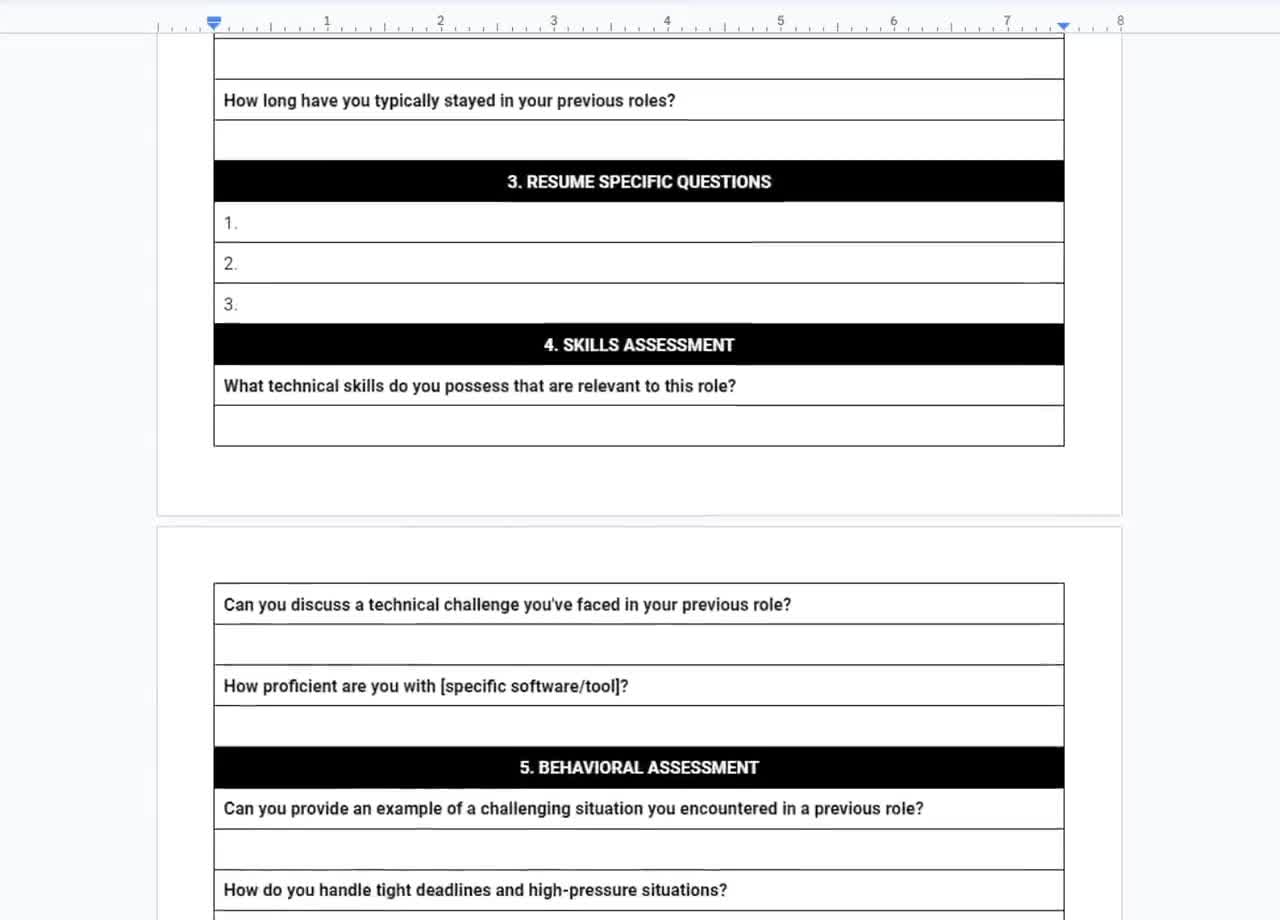
- Behavioral Questions: These questions aim to evaluate how candidates have handled specific situations in the past. Employers may ask about challenges they’ve faced, how they resolved conflicts, or their approach to teamwork.
- Technical Questions: For roles that require specific skills or knowledge, candidates can expect technical questions to assess their expertise in relevant areas.
- Cultural Fit Questions: Employers may inquire about a candidate’s work style, values, and how they would contribute to the company culture.
- Situational Questions: These questions present hypothetical scenarios to gauge how candidates would react and problem-solve in real-world situations.
How to Prepare
To excel in a second interview, preparation is key. Here are some tips to help you prepare for second interview questions:
- Review Your First Interview: Reflect on the topics discussed in your initial interview and be prepared to elaborate on them during the second round.
- Research the Company: Familiarize yourself with the company’s values, culture, recent projects, and industry trends. This will demonstrate your interest and enthusiasm for the role.
- Practice Behavioral Examples: Prepare examples from your past experiences that showcase your skills, problem-solving abilities, and achievements.
- Stay Updated on Industry Trends: Be aware of current developments in your field of expertise and be ready to discuss how they may impact your potential role.
- Ask Questions: Prepare thoughtful questions to ask the interviewer about the company culture, team dynamics, or future projects. This shows your interest in the role and company.
In conclusion, second interview questions play a vital role in determining a candidate’s fit for a position. By understanding what to expect and adequately preparing for these questions, candidates can increase their chances of success during this crucial stage of the hiring process.
Mastering the Second Interview: Key Questions and Tips for Success
- Are second interviews harder?
- How can I impress in a second interview?
- What is usually asked in a second interview?
- How do I ace my second interview?
- Does the 2nd interview mean I got the job?
- Are 2nd interviews harder?
Are second interviews harder?
During second interviews, candidates often encounter more challenging questions that delve deeper into their qualifications and fit for the role. While first interviews typically focus on assessing basic skills and experience, second interviews are designed to evaluate a candidate’s capabilities in more detail. The level of difficulty in second interviews can vary depending on the company and the position being applied for. However, candidates should be prepared to tackle tougher questions that may require them to provide specific examples from their past experiences, demonstrate problem-solving skills, and showcase their potential contributions to the organization. Overall, second interviews are often perceived as more rigorous than initial interviews due to the increased scrutiny and expectations placed on candidates during this stage of the hiring process.
How can I impress in a second interview?
To impress in a second interview, candidates should focus on showcasing their qualifications, experience, and enthusiasm for the role. It is essential to be prepared to discuss specific examples from past experiences that demonstrate skills relevant to the position. Additionally, candidates can stand out by researching the company thoroughly, asking insightful questions, and demonstrating a genuine interest in the organization and its goals. Confidence, professionalism, and a positive attitude are key factors that can leave a lasting impression on interviewers during the second interview process.
What is usually asked in a second interview?
During a second interview, candidates can expect a range of questions that delve deeper into their qualifications, experiences, and fit for the role. Common themes include behavioral questions that assess past actions and problem-solving skills, technical questions to gauge expertise in specific areas, inquiries about cultural fit to evaluate alignment with company values, and situational questions to test decision-making abilities. By preparing thoughtful responses and examples that demonstrate their capabilities in these areas, candidates can effectively navigate the second interview process and showcase their suitability for the position.
How do I ace my second interview?
When aiming to ace your second interview, thorough preparation is key. Begin by reviewing your first interview to identify areas for improvement and build upon previous discussions. Research the company extensively, familiarizing yourself with its values, culture, and recent projects to demonstrate genuine interest. Practice responding to common second interview questions, especially behavioral scenarios and technical inquiries relevant to the role. Stay updated on industry trends and be ready to discuss how they may impact your potential position. Additionally, showcase your enthusiasm by asking insightful questions about the company and its future direction. By diligently preparing and showcasing your skills and fit for the role, you can increase your chances of excelling in your second interview.
Does the 2nd interview mean I got the job?
During a second interview, candidates often wonder if it guarantees them the job offer. While progressing to the second interview is a positive sign and indicates that the employer is interested in your candidacy, it does not always guarantee a job offer. The second interview is an opportunity for both parties to further assess compatibility and suitability for the role. It allows the employer to delve deeper into your qualifications and experience, as well as evaluate your fit within the company culture. Ultimately, while a second interview is a promising step in the hiring process, it does not definitively mean that you have secured the job. It is essential to continue preparing and showcasing your skills and qualifications throughout the entire selection process.
Are 2nd interviews harder?
During the second interview stage, candidates often wonder, “Are second interviews harder?” While the intensity of second interviews may vary depending on the company and role, they are generally more in-depth and focused compared to initial interviews. Second interviews typically involve probing questions that delve deeper into a candidate’s qualifications, experience, and fit for the position. Employers may also assess how well candidates align with the company culture and values. Therefore, while second interviews may feel more challenging due to their depth and specificity, they also provide an opportunity for candidates to showcase their capabilities in greater detail and demonstrate their suitability for the role.