Understanding AI and Deep Learning: Transforming the Future
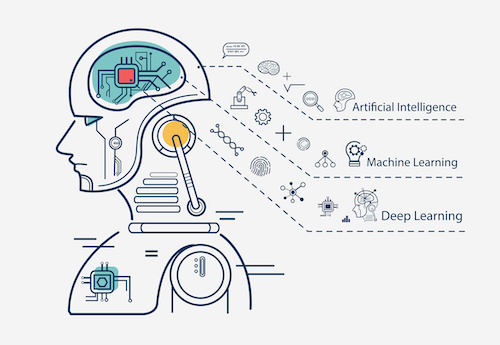
Artificial Intelligence (AI) and deep learning are two of the most transformative technologies of our time. They have revolutionized industries, from healthcare to finance, and continue to shape the future in unprecedented ways. This article delves into what AI and deep learning are, their applications, and their potential impact on society.
What is Artificial Intelligence?
Artificial Intelligence refers to the simulation of human intelligence in machines that are programmed to think and learn like humans. These intelligent systems can perform tasks such as speech recognition, decision-making, visual perception, and language translation. AI is categorized into two types: narrow AI, which is designed for specific tasks, and general AI, which aims to perform any intellectual task that a human can do.
The Role of Deep Learning
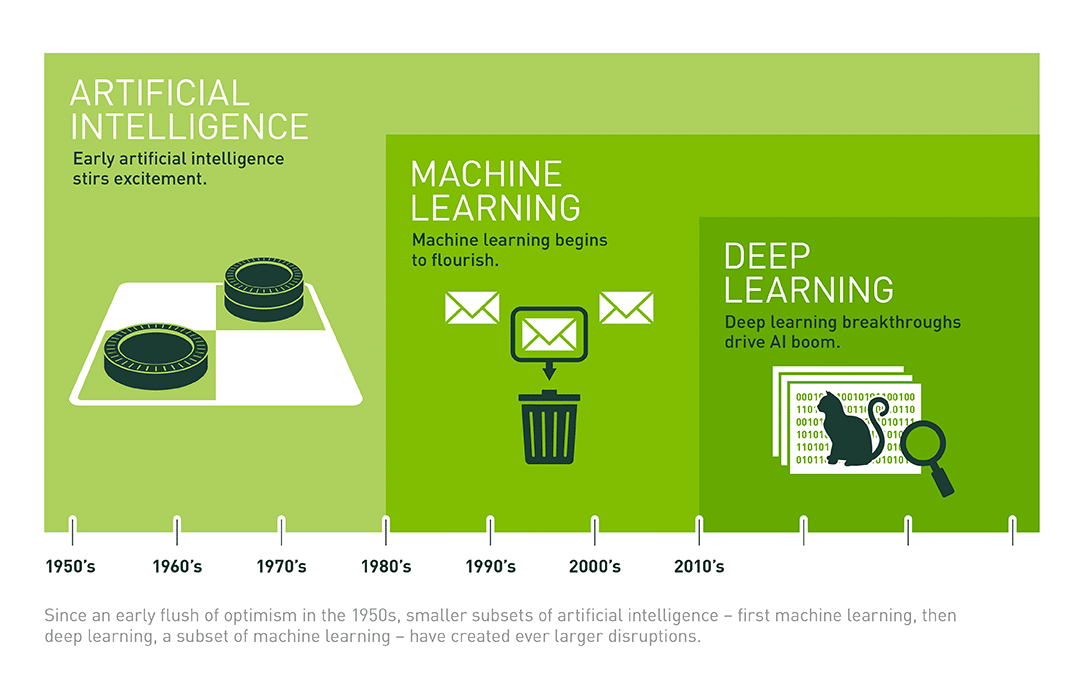
Deep learning is a subset of machine learning that uses neural networks with many layers—often referred to as deep neural networks—to analyze various factors of data. Inspired by the human brain’s structure, these networks can learn from vast amounts of data by identifying patterns and making decisions based on them.
How Deep Learning Works
Deep learning models require large datasets to train effectively. The process involves feeding data through multiple layers of nodes or neurons in a network. Each layer extracts increasingly complex features from the input data until it reaches a level where it can make accurate predictions or classifications.
Applications of AI and Deep Learning
- Healthcare: AI-powered systems assist in diagnosing diseases more accurately through medical imaging analysis. Deep learning algorithms can predict patient outcomes and personalize treatment plans.
- Finance: In finance, AI algorithms detect fraudulent activities by analyzing transaction patterns. They also help in risk management and investment strategies.
- Automotive: Autonomous vehicles rely heavily on deep learning for object detection, path planning, and decision-making processes.
- E-commerce: Personalized recommendations on shopping platforms are driven by AI models that analyze user behavior to suggest products they might be interested in purchasing.
- NLP (Natural Language Processing): Virtual assistants like Siri or Alexa use NLP powered by deep learning to understand and respond to user queries effectively.
The Future Impact of AI and Deep Learning
The potential impact of AI and deep learning is immense. As these technologies continue to advance, they promise increased efficiency across various sectors while also posing challenges related to job displacement and ethical considerations. Balancing innovation with responsibility will be crucial as society navigates this new era.
The journey towards fully realizing the potential of AI is ongoing. Researchers are constantly exploring new architectures for neural networks while addressing issues such as bias in algorithms or data privacy concerns associated with large-scale data collection required for training models effectively.
Conclusion
The integration of artificial intelligence with deep learning has already begun reshaping our world significantly—and this trend shows no signs of slowing down anytime soon! By understanding how these technologies work together harmoniously within different domains today—and anticipating their future implications—we can better prepare ourselves collectively for tomorrow’s challenges while harnessing opportunities presented along this exciting technological frontier!
6 Essential Tips for Mastering AI and Deep Learning
- Understand the basics of machine learning before diving into deep learning.
- Choose the right framework and tools based on your project requirements.
- Preprocess your data effectively to improve model performance.
- Regularly update and fine-tune your deep learning models for better results.
- Experiment with different architectures and hyperparameters to optimize model performance.
- Stay updated with the latest research and advancements in AI and deep learning.
Understand the basics of machine learning before diving into deep learning.
Before delving into deep learning, it is essential to grasp the fundamentals of machine learning. Understanding the basics of machine learning provides a solid foundation for comprehending the more complex algorithms and concepts involved in deep learning. By familiarizing oneself with machine learning principles such as supervised and unsupervised learning, feature engineering, and model evaluation, individuals can better appreciate the intricacies of deep neural networks and their applications in artificial intelligence. This sequential approach ensures a smoother transition into the realm of deep learning, enabling a more comprehensive understanding of its capabilities and potential impact on various industries.
Choose the right framework and tools based on your project requirements.
Selecting the appropriate framework and tools for an AI and deep learning project is crucial to its success. Different frameworks offer varying levels of flexibility, ease of use, and support for specific tasks. For instance, TensorFlow is known for its robust capabilities and scalability, making it ideal for large-scale projects, while PyTorch is praised for its simplicity and dynamic computation graph, which benefits research-oriented tasks. When choosing a framework, consider factors such as the complexity of the model you plan to build, the level of community support available, and compatibility with existing systems. Additionally, ensure that the tools you select align with your team’s expertise and the project’s long-term goals. By carefully evaluating these aspects, you can streamline development processes and enhance the overall effectiveness of your AI solutions.
Preprocess your data effectively to improve model performance.
Effective data preprocessing is crucial for enhancing the performance of AI and deep learning models. By cleaning and organizing data before feeding it into a model, one can significantly improve its accuracy and efficiency. This involves handling missing values, normalizing or standardizing data, and encoding categorical variables appropriately. Additionally, feature selection and extraction help in reducing dimensionality, ensuring that the model focuses on the most relevant information. Properly preprocessed data not only accelerates the training process but also minimizes overfitting, leading to more robust predictions. In essence, investing time in thorough data preprocessing lays a strong foundation for building high-performing AI systems.
Regularly update and fine-tune your deep learning models for better results.
Regularly updating and fine-tuning deep learning models is essential for maintaining and enhancing their performance over time. As new data becomes available, it can reflect changes in patterns or trends that the original model may not have been trained to recognize. By continuously integrating this fresh data, models can adapt to evolving conditions, leading to more accurate predictions and insights. Additionally, fine-tuning helps in addressing any biases or inaccuracies that may have emerged since the model’s initial deployment. This ongoing refinement ensures that AI systems remain relevant and effective, providing reliable results in a dynamic environment. Regular updates also help in optimizing computational efficiency, as they allow for the incorporation of advancements in algorithms and technologies.
Experiment with different architectures and hyperparameters to optimize model performance.
Experimenting with different architectures and hyperparameters is crucial for optimizing the performance of AI models, particularly in deep learning. The architecture of a neural network, which includes the number of layers and the type of layers used (such as convolutional or recurrent), can significantly affect how well a model learns from data. Similarly, hyperparameters—settings like learning rate, batch size, and number of epochs—play a vital role in training efficiency and model accuracy. By systematically adjusting these elements, one can fine-tune a model to achieve better results on specific tasks. This iterative process often involves running multiple experiments to compare outcomes and identify the most effective configuration for a given problem. As such, it is an essential practice for any practitioner aiming to leverage deep learning’s full potential.
Stay updated with the latest research and advancements in AI and deep learning.
Staying updated with the latest research and advancements in AI and deep learning is crucial for anyone involved in the field, whether they are researchers, developers, or enthusiasts. The landscape of AI is rapidly evolving, with new breakthroughs and innovations emerging regularly. By keeping abreast of these developments, individuals can ensure they are utilizing the most current techniques and technologies, thereby enhancing their work’s effectiveness and relevance. Engaging with recent studies, attending conferences, and participating in online courses or webinars can provide valuable insights into cutting-edge methodologies and applications. This continuous learning approach not only helps professionals maintain a competitive edge but also fosters a deeper understanding of how AI can be applied to solve complex problems across various industries.