The Importance of Sustainable Development Goals (SDGs)
Sustainable Development Goals (SDGs) are a set of global objectives established by the United Nations in 2015 to address various social, economic, and environmental challenges facing the world today. These 17 goals aim to promote sustainable development in all countries by 2030.
Key Aspects of SDGs
The SDGs cover a wide range of issues, including poverty eradication, gender equality, climate action, and quality education. By addressing these interconnected challenges, the SDGs seek to create a more equitable and sustainable future for all.
Impact of SDGs
Implementing the SDGs requires collaboration and commitment from governments, businesses, civil society organizations, and individuals worldwide. By working together to achieve these goals, we can build a more inclusive society that protects the planet and ensures prosperity for future generations.
Challenges Ahead
Despite progress in some areas, many challenges remain in achieving the SDGs. Issues such as inequality, climate change, and lack of access to basic services continue to hinder sustainable development efforts. Addressing these challenges will require innovative solutions and sustained commitment from all stakeholders.
Call to Action
As individuals, we can contribute to the achievement of the SDGs by making sustainable choices in our daily lives, advocating for policy changes that support sustainable development, and supporting initiatives that promote social and environmental justice.
By working together towards the common goal of sustainable development outlined in the SDGs, we can create a better world for current and future generations.
Understanding the Sustainable Development Goals: FAQs and Insights
- What are the Sustainable Development Goals (SDGs)?
- How many SDGs are there?
- Why were the SDGs established?
- What is the purpose of the SDGs?
- How can individuals contribute to achieving the SDGs?
- What are some examples of specific SDGs?
- Which organizations are involved in implementing the SDGs?
- What challenges do countries face in achieving the SDGs?
- How will achieving the SDGs benefit society and the environment?
What are the Sustainable Development Goals (SDGs)?
The Sustainable Development Goals (SDGs) are a set of 17 global objectives established by the United Nations to address pressing social, economic, and environmental challenges worldwide. These goals serve as a blueprint for sustainable development, aiming to eradicate poverty, promote equality, protect the planet, and ensure prosperity for all by 2030. Each SDG targets specific areas such as education, health, climate action, and gender equality, with the overarching goal of creating a more equitable and sustainable future for people and the planet.
How many SDGs are there?
The Sustainable Development Goals (SDGs) consist of a total of 17 global objectives established by the United Nations to address various social, economic, and environmental challenges worldwide. Each of these 17 goals is designed to tackle specific issues such as poverty eradication, gender equality, climate action, and quality education. By understanding the significance of all 17 SDGs and working towards their achievement, individuals and organizations can contribute to building a more sustainable and equitable future for all.
Why were the SDGs established?
The Sustainable Development Goals (SDGs) were established in response to the urgent need for a comprehensive and coordinated global effort to address pressing social, economic, and environmental challenges facing the world. Recognizing the interconnected nature of these issues, the United Nations set out to create a framework that would guide countries in achieving sustainable development by 2030. The SDGs serve as a roadmap for collective action, aiming to mobilize governments, businesses, civil society, and individuals to work together towards a more equitable, inclusive, and sustainable future for all.
What is the purpose of the SDGs?
The purpose of the Sustainable Development Goals (SDGs) is to provide a universal framework for addressing pressing global challenges and promoting sustainable development worldwide. By setting clear objectives across 17 key areas, the SDGs aim to mobilize efforts to end poverty, protect the planet, and ensure prosperity for all. These goals serve as a roadmap for governments, organizations, and individuals to work together towards a more equitable, inclusive, and environmentally sustainable future by 2030.
How can individuals contribute to achieving the SDGs?
Individuals play a crucial role in contributing to the achievement of the Sustainable Development Goals (SDGs) through their everyday actions and choices. By raising awareness about the SDGs and advocating for sustainable practices in their communities, individuals can drive positive change. Supporting local initiatives that align with the SDGs, such as volunteering for environmental conservation projects or promoting gender equality, can also make a significant impact. Additionally, individuals can make sustainable lifestyle choices, such as reducing waste, conserving energy, and supporting ethical businesses. By taking these steps collectively, individuals can contribute to building a more sustainable and inclusive world in line with the SDGs.
What are some examples of specific SDGs?
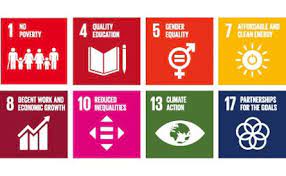
Within the framework of the Sustainable Development Goals (SDGs), there are 17 specific objectives that address a wide range of global challenges. Some examples of these SDGs include Goal 1: No Poverty, which aims to eradicate extreme poverty worldwide; Goal 4: Quality Education, focusing on ensuring inclusive and equitable education for all; and Goal 13: Climate Action, which targets combating climate change and its impacts. Each SDG plays a crucial role in promoting sustainable development and improving the well-being of people and the planet.
Which organizations are involved in implementing the SDGs?
Various organizations play a crucial role in implementing the Sustainable Development Goals (SDGs) set by the United Nations. These include government agencies, non-governmental organizations (NGOs), international organizations like the World Bank and the United Nations itself, as well as private sector companies and academic institutions. Collaboration among these diverse entities is essential to effectively address the complex challenges outlined in the SDGs and work towards achieving sustainable development on a global scale. Each organization brings unique expertise and resources to the table, contributing to the collective effort of making progress towards the SDGs by 2030.
What challenges do countries face in achieving the SDGs?
Countries face various challenges in achieving the Sustainable Development Goals (SDGs). These challenges include limited resources and funding, inadequate infrastructure, political instability, corruption, lack of access to education and healthcare, climate change impacts, and social inequalities. Additionally, differing priorities among countries and the complexity of addressing multiple interconnected issues simultaneously can make it difficult to effectively implement the SDGs. Overcoming these challenges requires strong commitment, collaboration among stakeholders, innovative solutions, and targeted interventions to ensure progress towards a more sustainable and equitable future for all.
How will achieving the SDGs benefit society and the environment?
Achieving the Sustainable Development Goals (SDGs) will bring significant benefits to both society and the environment. By successfully implementing the SDGs, societies around the world can experience reduced poverty, improved access to education and healthcare, enhanced gender equality, and increased economic opportunities. These improvements not only lead to a more equitable and prosperous society but also contribute to a healthier and more sustainable environment. The SDGs address critical environmental issues such as climate change, biodiversity loss, and resource depletion, promoting sustainable practices that protect ecosystems and natural resources for future generations. Ultimately, achieving the SDGs will create a more resilient and harmonious relationship between society and the environment, fostering long-term well-being for all.