The Dawn of AGI: Understanding Artificial General Intelligence
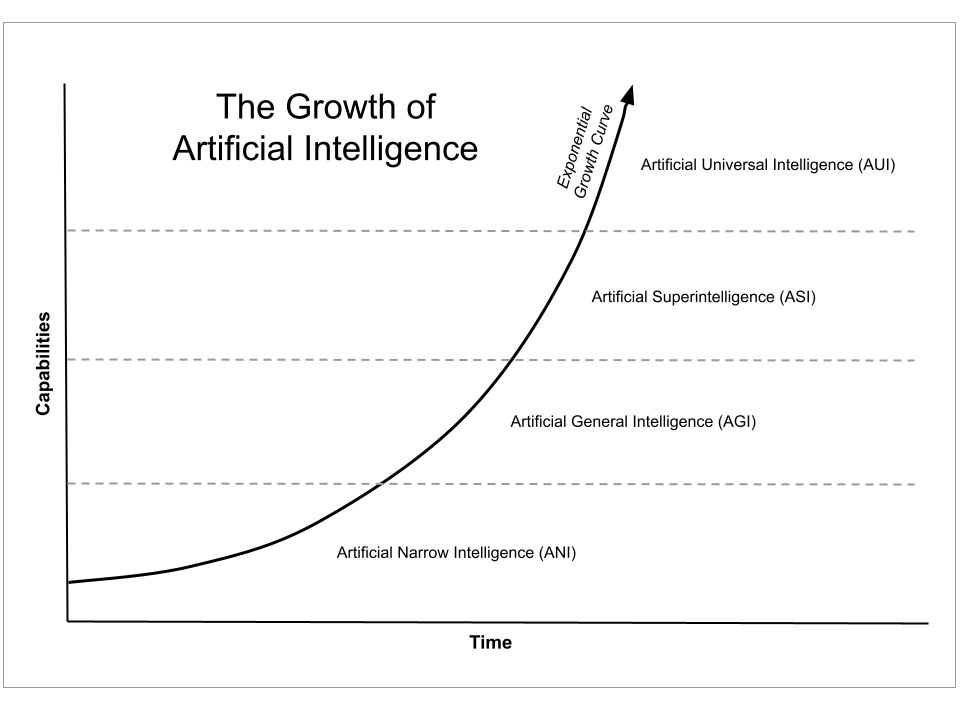
Artificial General Intelligence (AGI) is a concept that has captured the imagination of scientists, technologists, and futurists alike. Unlike narrow AI, which excels at specific tasks like language translation or image recognition, AGI represents a type of artificial intelligence that possesses the ability to understand, learn, and apply knowledge across a wide range of tasks—similar to human cognitive abilities.
What is AGI?
AGI refers to a machine’s ability to perform any intellectual task that a human can do. This includes not only solving complex problems but also understanding context, learning from experience, and adapting to new situations. The ultimate goal is for AGI systems to exhibit general intelligence comparable to that of humans.
The Potential and Challenges
The potential benefits of achieving AGI are enormous. It could revolutionize industries by automating complex processes, driving scientific discoveries at an unprecedented pace, and solving global challenges such as climate change and healthcare disparities.
However, the path to AGI is fraught with challenges. One major concern is ensuring that AGI systems are aligned with human values and ethics. As these systems become more autonomous, it becomes crucial to establish robust frameworks for accountability and control.
Ethical Considerations
- Safety: Ensuring that AGI systems operate safely without unintended consequences.
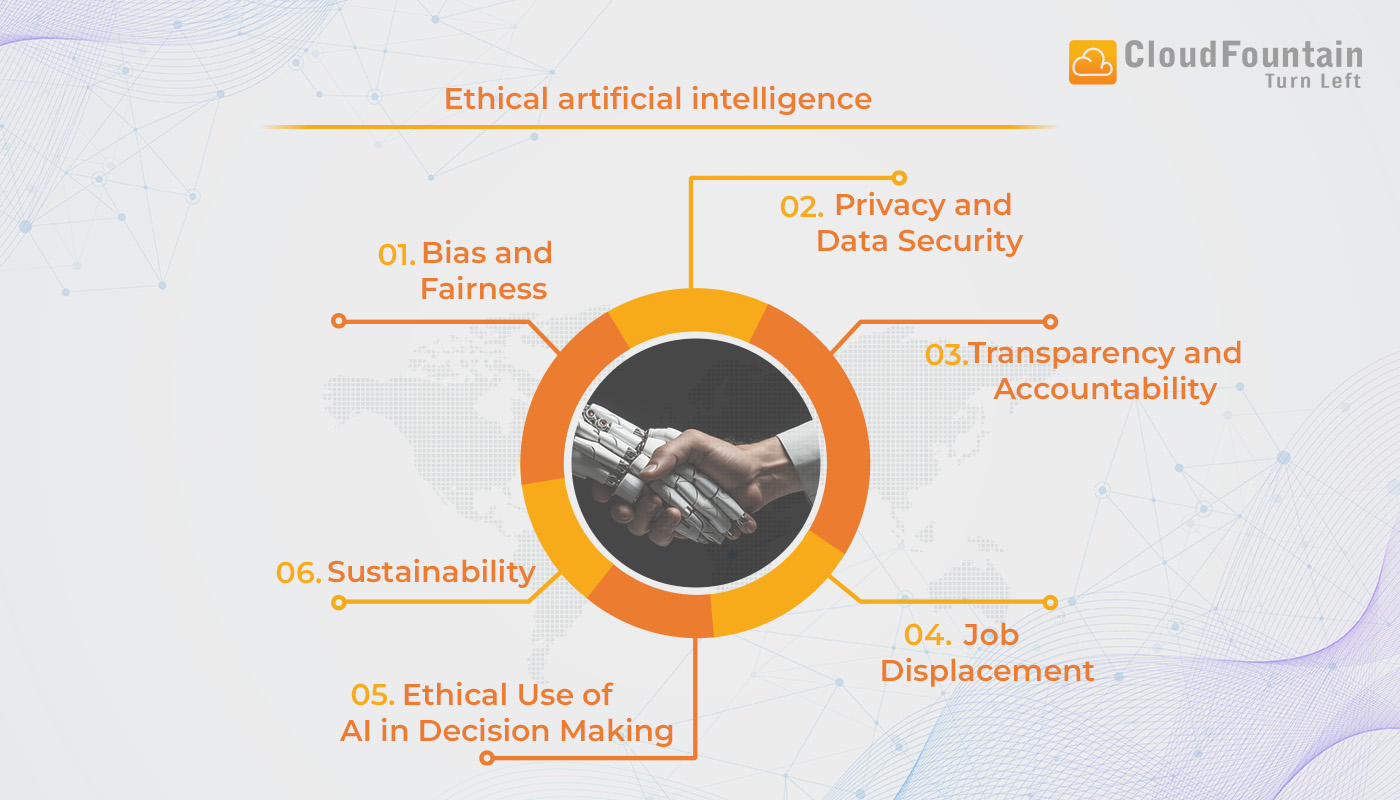
- Bias: Addressing potential biases in data and algorithms that could lead to unfair outcomes.
- Autonomy: Balancing machine autonomy with human oversight and decision-making.
The Road Ahead
The journey toward AGI involves interdisciplinary collaboration among computer scientists, ethicists, policymakers, and other stakeholders. While significant advancements have been made in AI research over recent years, reaching true AGI remains an open challenge requiring innovative approaches and breakthroughs in understanding intelligence itself.
Current Research Directions
- Cognitive Architectures: Developing models inspired by human cognition to enhance machine learning capabilities.
- Lifelong Learning: Creating systems capable of continuous learning from diverse experiences over time.
- Moral Reasoning: Integrating ethical reasoning into AI decision-making processes.
The pursuit of AGI raises profound questions about the future relationship between humans and machines. As we stand on the brink of this technological frontier, it is essential to approach its development thoughtfully—ensuring that it serves humanity’s best interests while safeguarding against potential risks.
The era of Artificial General Intelligence promises transformative possibilities but also demands careful navigation through uncharted territory. By fostering collaboration across disciplines and prioritizing ethical considerations alongside technological advancement, society can harness the power of AGI responsibly for generations to come.
7 Essential Tips for Navigating AGI: Understanding, Innovation, and Ethics
- Understand the goals and limitations of AGI.
- Stay updated on the latest research and developments in AGI technology.
- Consider ethical implications and societal impacts of AGI.
- Collaborate with experts from diverse fields to enhance AGI capabilities.
- Ensure robust security measures are in place to prevent misuse of AGI.
- Regularly test and evaluate the performance of AGI systems.
- Continuously improve and refine AGI algorithms for optimal functionality.
Understand the goals and limitations of AGI.
To navigate the realm of Artificial General Intelligence effectively, it is crucial to grasp both its aspirations and boundaries. Understanding the goals of AGI involves recognizing its potential to mimic human-like cognitive abilities across various tasks, paving the way for groundbreaking advancements in technology and society. Simultaneously, acknowledging the limitations of AGI underscores the importance of addressing ethical concerns, ensuring alignment with human values, and establishing safeguards against unintended consequences. By comprehensively grasping both the ambitions and constraints of AGI, stakeholders can steer its development responsibly and ethically towards a future that maximizes benefits while mitigating risks.
Stay updated on the latest research and developments in AGI technology.
To stay informed and ahead in the realm of Artificial General Intelligence (AGI), it is crucial to stay updated on the latest research and developments in AGI technology. By keeping abreast of cutting-edge advancements, breakthroughs, and trends in the field, individuals can deepen their understanding of AGI’s potential, challenges, and implications. This continuous learning process not only enhances one’s knowledge but also fosters a proactive approach to engaging with AGI technology and its evolving landscape.
Consider ethical implications and societal impacts of AGI.
When delving into the realm of Artificial General Intelligence (AGI), it is essential to carefully consider the ethical implications and societal impacts that may arise. As AGI systems gain capabilities akin to human intelligence, questions surrounding accountability, bias, privacy, and autonomy become increasingly pertinent. It is crucial for researchers, developers, policymakers, and society at large to engage in thoughtful discourse and establish frameworks that prioritize ethical principles and address potential societal consequences. By proactively addressing these considerations, we can strive to ensure that AGI technologies are developed and deployed in a manner that aligns with our values and promotes the well-being of individuals and communities.
Collaborate with experts from diverse fields to enhance AGI capabilities.
Collaboration with experts from diverse fields is crucial to enhancing AGI capabilities, as it brings together a wealth of knowledge and perspectives that can drive innovation and address complex challenges. By integrating insights from cognitive science, neuroscience, ethics, computer science, and other disciplines, researchers can develop more robust and adaptable AGI systems. This interdisciplinary approach helps ensure that AGI not only advances technologically but also aligns with human values and societal needs. Diverse expertise fosters creative solutions to potential roadblocks in AGI development, such as understanding human cognition or addressing ethical concerns, ultimately paving the way for more sophisticated and responsible artificial intelligence.
Ensure robust security measures are in place to prevent misuse of AGI.
It is imperative to ensure robust security measures are in place to prevent the misuse of Artificial General Intelligence (AGI). As AGI systems become more sophisticated and autonomous, the potential risks associated with their misuse also increase. Safeguarding against unauthorized access, malicious manipulation, and unintended consequences is essential to protect individuals, organizations, and society as a whole. By prioritizing security protocols and implementing stringent safeguards, we can mitigate the risks posed by AGI and foster a safer environment for its development and deployment.
Regularly test and evaluate the performance of AGI systems.
Regularly testing and evaluating the performance of Artificial General Intelligence (AGI) systems is crucial to ensuring their reliability, efficiency, and alignment with intended objectives. By conducting systematic assessments, researchers and developers can identify potential weaknesses, optimize algorithms, and address any biases or errors that may arise during operation. Continuous evaluation not only enhances the quality of AGI systems but also fosters transparency and accountability in their deployment, ultimately contributing to the safe and responsible advancement of artificial intelligence technology.
Continuously improve and refine AGI algorithms for optimal functionality.
To achieve the full potential of Artificial General Intelligence (AGI), it is crucial to continuously improve and refine AGI algorithms for optimal functionality. By refining algorithms through iterative processes, researchers can enhance the efficiency, accuracy, and adaptability of AGI systems. This ongoing refinement not only improves performance but also ensures that AGI technologies evolve to meet the complex challenges of an ever-changing world. Emphasizing continuous improvement in AGI algorithms is essential for pushing the boundaries of artificial intelligence and unlocking new possibilities for innovation and problem-solving.