Artificial Intelligence and Education: Transforming the Learning Experience
Artificial intelligence (AI) is rapidly reshaping various sectors, and education is no exception. By integrating AI technologies into educational systems, educators and institutions are finding innovative ways to enhance learning experiences, personalize education, and streamline administrative tasks.
Personalized Learning
One of the most significant impacts of AI in education is the ability to offer personalized learning experiences. AI algorithms can analyze a student’s learning style, strengths, and weaknesses to tailor educational content that suits individual needs. This customization ensures that students receive the right level of challenge and support, fostering a more effective learning environment.
Intelligent Tutoring Systems
AI-powered tutoring systems provide students with on-demand assistance outside traditional classroom settings. These systems use natural language processing and machine learning to understand student queries and provide relevant explanations or resources. By offering immediate feedback and support, intelligent tutoring systems help reinforce concepts and improve student comprehension.
Automating Administrative Tasks
Apart from enhancing the learning experience for students, AI also plays a vital role in automating administrative tasks within educational institutions. From grading assignments to managing enrollment processes, AI can handle repetitive tasks efficiently, allowing educators to focus more on teaching and less on paperwork.
Data-Driven Insights
With the vast amount of data generated in educational environments, AI can provide valuable insights into student performance and engagement. By analyzing this data, educators can identify trends, predict outcomes, and make informed decisions to improve teaching strategies. These insights help create a more responsive educational system that adapts to evolving needs.
Challenges and Considerations
While AI offers numerous benefits in education, it also presents challenges that need addressing. Privacy concerns regarding student data must be carefully managed to ensure compliance with regulations. Additionally, there is a need for ongoing training for educators to effectively integrate AI tools into their teaching practices.
The Future of AI in Education
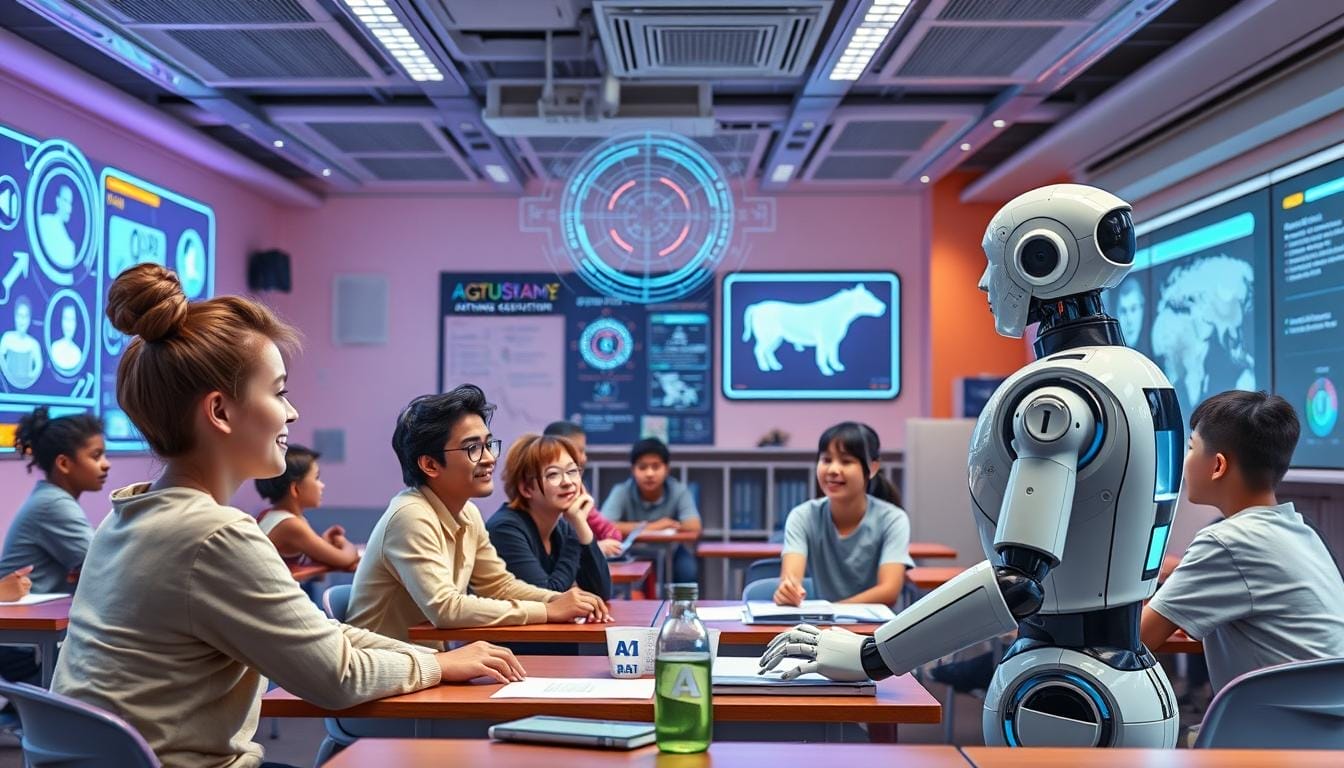
The potential of AI in transforming education is immense. As technology continues to evolve, it will become increasingly integrated into every aspect of the educational experience. From virtual classrooms powered by AI-driven simulations to adaptive learning platforms that evolve with each student’s progress—AI promises an exciting future for education.
The journey toward fully realizing this potential requires collaboration between technologists, educators, policymakers, and students themselves. Together they can harness the power of artificial intelligence not just as a tool but as a partner in creating an enriched educational landscape for all learners.
Exploring AI in Education: Benefits, Challenges, and Opportunities for Personalized Learning
- How is artificial intelligence (AI) being used in education?
- What are the benefits of integrating AI into educational systems?
- Can AI personalize learning experiences for students?
- Are there concerns about privacy and data security with AI in education?
- How can AI help educators in grading assignments and administrative tasks?
- What role do intelligent tutoring systems play in enhancing student learning?
- How can educators receive training to effectively utilize AI tools in the classroom?
How is artificial intelligence (AI) being used in education?
Artificial intelligence (AI) is being used in education to revolutionize the way students learn and teachers instruct. AI technologies are employed to create personalized learning experiences, where algorithms analyze individual student data to tailor educational content that meets their unique needs and learning pace. Intelligent tutoring systems provide real-time assistance and feedback, helping students grasp complex concepts outside traditional classroom settings. Additionally, AI automates administrative tasks such as grading and enrollment management, freeing educators to focus more on teaching. By leveraging data-driven insights, AI helps educators identify trends in student performance and engagement, allowing for more informed decision-making and adaptive teaching strategies.
What are the benefits of integrating AI into educational systems?
Integrating AI into educational systems offers numerous benefits that enhance the learning experience and improve educational outcomes. One of the primary advantages is personalized learning, where AI can tailor educational content to meet individual student needs, accommodating different learning styles and paces. This customization helps students grasp concepts more effectively and stay engaged. Additionally, AI-powered tools can provide instant feedback and support through intelligent tutoring systems, allowing students to receive help outside traditional classroom hours. By automating administrative tasks such as grading and enrollment management, AI also frees up educators to focus more on teaching and less on paperwork. Furthermore, AI enables data-driven insights by analyzing vast amounts of educational data to identify trends, predict student performance, and optimize teaching strategies. Overall, the integration of AI in education fosters a more efficient and responsive learning environment that adapts to the needs of both students and educators.
Can AI personalize learning experiences for students?
Artificial intelligence has the potential to significantly personalize learning experiences for students by leveraging data-driven insights and adaptive technologies. AI systems can analyze a student’s performance, learning style, and preferences to tailor educational content that meets their individual needs. This customization allows for a more targeted approach, providing students with the right level of challenge and support to enhance their understanding and retention of material. By continuously assessing student progress, AI can adjust the pace of learning and recommend resources or activities that align with each student’s unique journey, ultimately fostering a more engaging and effective educational experience.
Are there concerns about privacy and data security with AI in education?
The integration of artificial intelligence in education raises significant concerns about privacy and data security. As AI systems collect and analyze vast amounts of student data to personalize learning experiences, there is an increased risk of sensitive information being exposed or misused. Educational institutions must ensure that they comply with data protection regulations, such as FERPA in the United States, to safeguard student information. Additionally, it is crucial to implement robust cybersecurity measures to prevent unauthorized access and potential breaches. Addressing these concerns requires a collaborative effort between technology providers, educators, and policymakers to establish clear guidelines and best practices for managing data responsibly while leveraging AI’s benefits in education.
How can AI help educators in grading assignments and administrative tasks?
AI can significantly assist educators by streamlining the grading process and handling various administrative tasks. Automated grading systems, powered by artificial intelligence, can quickly evaluate multiple-choice tests and even some types of written assignments, providing immediate feedback to students. This efficiency allows educators to allocate more time to personalized instruction and student interaction. Additionally, AI can manage administrative duties such as scheduling, enrollment processes, and tracking student performance data. By automating these routine tasks, AI enables educators to focus on teaching and developing innovative curriculum strategies, ultimately enhancing the overall educational experience for both teachers and students.
What role do intelligent tutoring systems play in enhancing student learning?
Intelligent tutoring systems play a crucial role in enhancing student learning by providing personalized and immediate support outside the traditional classroom setting. These AI-powered systems leverage advanced algorithms to analyze individual student data, learning styles, and performance to offer tailored educational content and feedback. By offering interactive lessons, adaptive exercises, and real-time assistance, intelligent tutoring systems help students reinforce concepts, address gaps in understanding, and progress at their own pace. This personalized approach not only boosts student engagement but also improves overall learning outcomes by catering to each student’s unique needs and preferences.
How can educators receive training to effectively utilize AI tools in the classroom?
Educators looking to effectively utilize AI tools in the classroom can benefit from a variety of training opportunities designed to enhance their understanding and skills. Many institutions and organizations offer professional development workshops and online courses specifically focused on AI in education. These programs often cover the basics of AI technology, its applications in teaching, and strategies for integrating AI tools into lesson plans. Additionally, educators can participate in webinars and conferences where they can learn from experts and peers who are already implementing AI successfully. Collaborating with tech companies that specialize in educational technology can also provide hands-on experience with the latest tools. By engaging in continuous learning and staying updated on emerging trends, educators can confidently incorporate AI into their teaching practices, ultimately enriching the learning experience for their students.