The Importance of Case Profile Examples in Understanding Complex Issues
Case profile examples play a crucial role in shedding light on complex issues by providing detailed narratives that illustrate real-life situations. These profiles offer a deeper understanding of various scenarios, allowing individuals to analyze and learn from specific cases.
By examining a case profile example, individuals can gain insights into the intricacies of a particular situation, including the challenges faced, decisions made, and outcomes achieved. This detailed analysis helps in drawing connections between theory and practice, bridging the gap between academic knowledge and real-world applications.
Furthermore, case profile examples serve as valuable educational tools across various disciplines such as business, law, healthcare, and social sciences. They enable students to develop critical thinking skills, problem-solving abilities, and decision-making capabilities by engaging with practical scenarios.
Moreover, case profiles help professionals in different fields to enhance their expertise by learning from past experiences and best practices. By studying successful case profiles, individuals can identify strategies that led to positive outcomes and apply them to their own work.
In addition to educational and professional development benefits, case profile examples also contribute to research and knowledge advancement. Researchers use detailed case studies to explore complex phenomena, test hypotheses, and generate new insights that can inform future practices and policies.
In conclusion, case profile examples are invaluable tools for gaining a comprehensive understanding of complex issues. Whether used for educational purposes, professional development, or research endeavors, these narratives provide a rich source of information that fosters learning, growth, and innovation across diverse fields.
Understanding Case Profiles: Key Differences, Writing Tips, and Essential Components of Case Studies
- What is the profile of a case study?
- What is the difference between a case study and a case profile?
- How do you write a case profile?
- What are the 4 parts of a case study?
What is the profile of a case study?
The profile of a case study typically refers to a detailed description of a specific case, including its background, context, key players involved, challenges faced, actions taken, and outcomes achieved. It serves as a comprehensive overview that provides readers with a thorough understanding of the case being examined. By outlining the profile of a case study, researchers and readers can grasp the intricacies of the situation, analyze the factors at play, and draw meaningful conclusions based on the information presented. The profile acts as a roadmap that guides individuals through the complexities of the case study, offering valuable insights into the narrative being explored.
What is the difference between a case study and a case profile?
When examining the difference between a case study and a case profile, it is essential to understand their distinct purposes and scopes. A case study typically involves an in-depth analysis of a specific situation, exploring various aspects such as background information, challenges faced, strategies employed, and outcomes achieved. On the other hand, a case profile focuses more on providing a detailed narrative of a particular case, often highlighting key events, decisions made, and lessons learned. While a case study delves into broader implications and theoretical frameworks, a case profile offers a more focused account of the intricacies of a specific scenario. Both tools serve valuable purposes in academia, research, and professional settings by offering insights into real-world situations and facilitating learning and analysis.
How do you write a case profile?
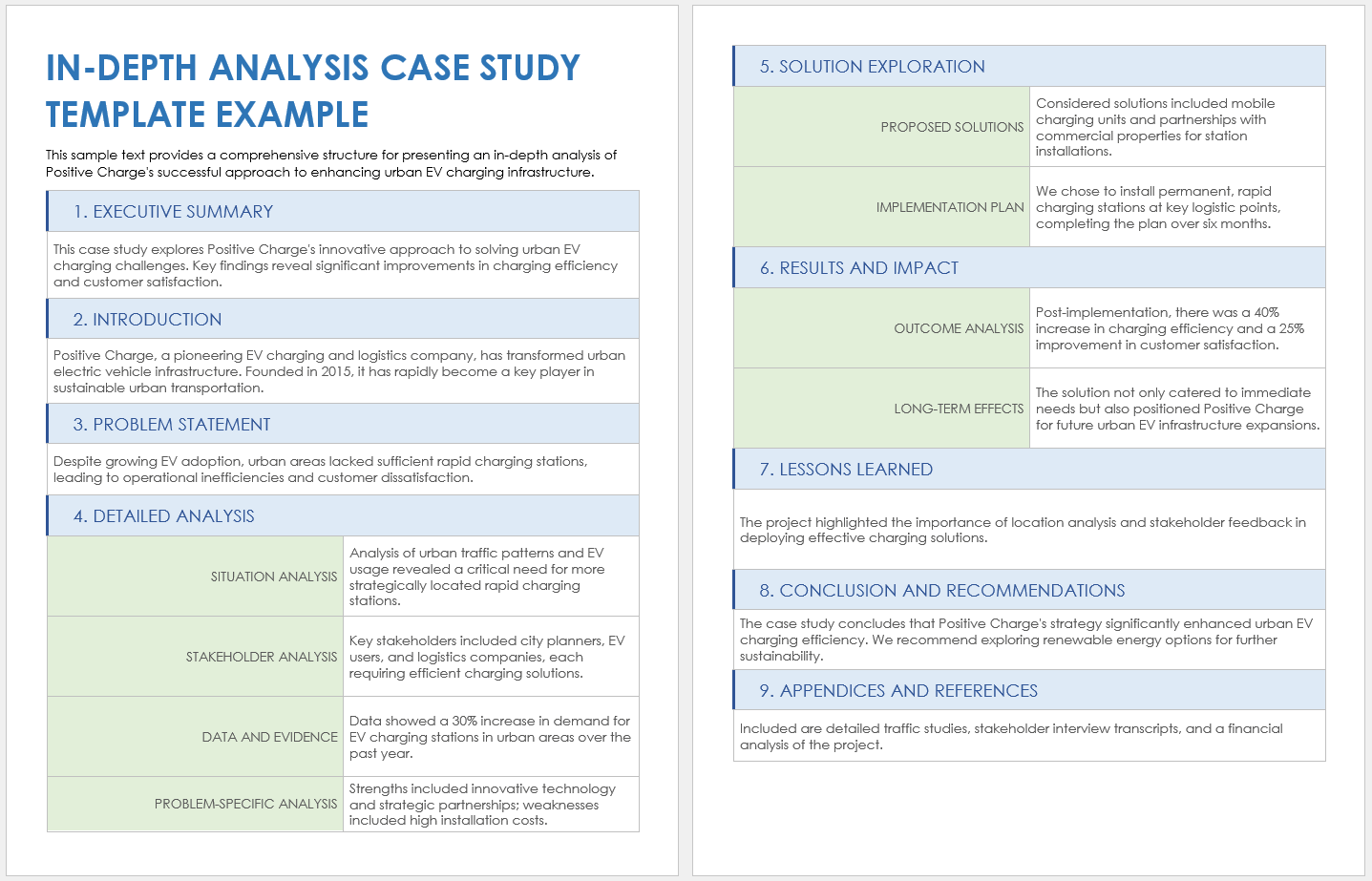
When writing a case profile, it is essential to begin by thoroughly understanding the specific case or scenario you are analyzing. Start by gathering all relevant information, including background details, key events, and stakeholders involved. Structure your case profile in a clear and logical manner, outlining the problem statement, objectives, methodology used for analysis, findings, and recommendations. Utilize descriptive language and provide concrete examples to illustrate important points. Ensure that your case profile is well-organized, concise, and focuses on highlighting the critical aspects of the case to effectively convey its significance and implications.
What are the 4 parts of a case study?
A case study typically consists of four main parts: an introduction that sets the context and background of the case, a description of the case itself including key issues and challenges, an analysis section where theories and concepts are applied to the case, and a conclusion that summarizes key findings and offers recommendations or insights. Each part plays a crucial role in presenting a comprehensive examination of the case, guiding readers through the details of the scenario, analysis of data, and implications drawn from the study.