Ethical Dilemma Examples: Navigating Moral Complexity
Ethical dilemmas are situations in which individuals are faced with conflicting moral choices, often requiring them to weigh the consequences of their actions on various stakeholders. These dilemmas can arise in personal, professional, or societal contexts, presenting challenges that test our values and principles.
Example 1: The Trolley Problem
In the classic ethical dilemma known as the Trolley Problem, a trolley is headed towards five people tied to the tracks. You have the option to divert the trolley onto a different track where only one person is tied. Do you take action to save five lives at the expense of one?
Example 2: Whistleblowing in the Workplace
Imagine discovering that your employer is engaging in illegal activities that harm consumers. Do you report this misconduct, risking your job and potentially facing retaliation? This dilemma highlights the conflict between loyalty to an organization and ethical responsibility to society.
Example 3: Allocation of Scarce Resources
In healthcare settings, medical professionals may face ethical dilemmas when deciding how to allocate limited resources such as organs for transplantation or life-saving treatments during a pandemic. Who should receive care when demand exceeds supply?
Example 4: Privacy vs. Security
In an era of advanced technology and surveillance, governments may grapple with ethical dilemmas concerning individual privacy rights versus national security concerns. How much personal privacy should be sacrificed in the name of public safety?
Conclusion
Ethical dilemmas are complex situations that require careful consideration of competing values and interests. By examining examples like the Trolley Problem, whistleblowing, resource allocation, and privacy issues, we can better understand the nuances of moral decision-making and cultivate a more ethical society.
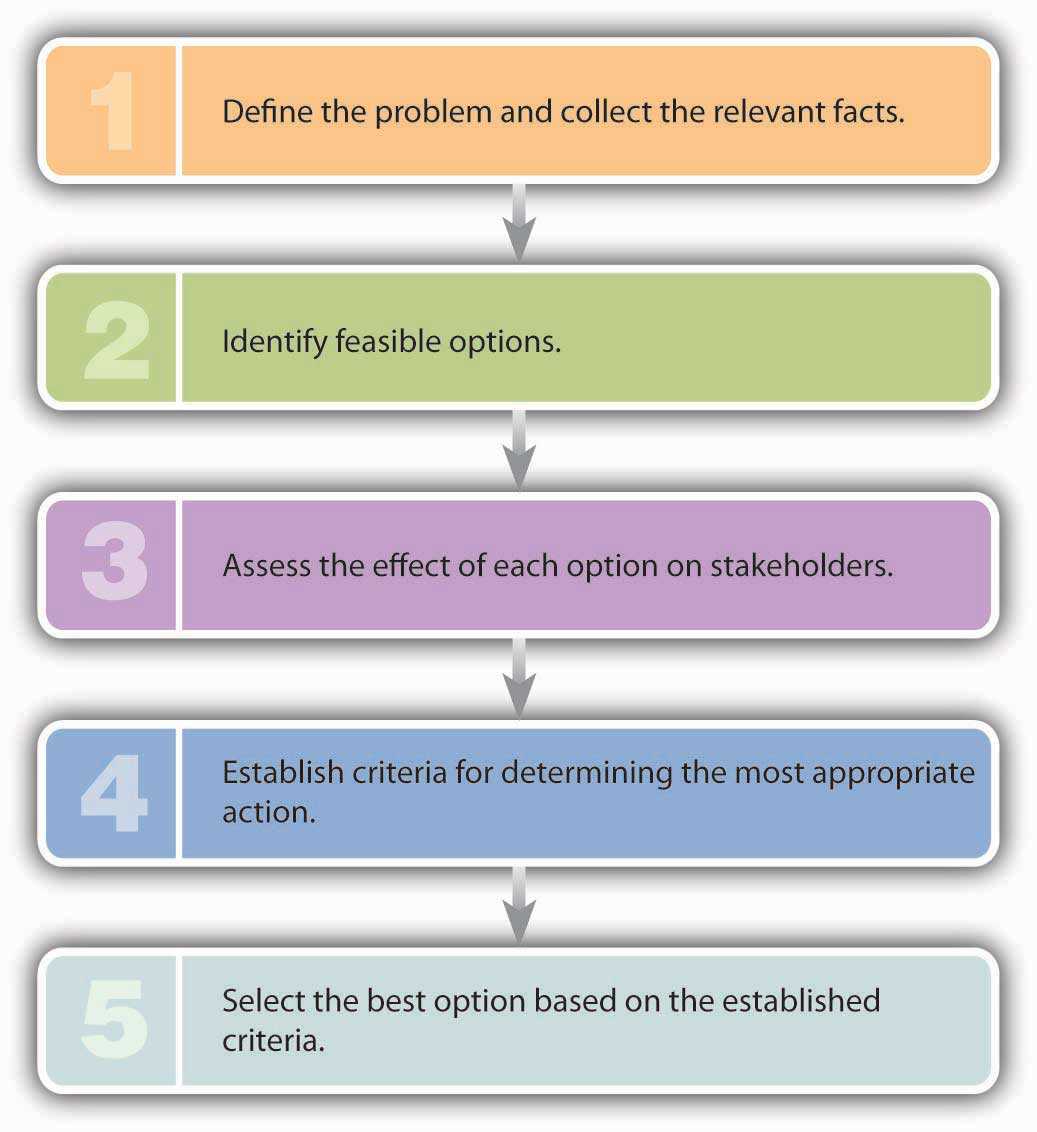
9 Tips for Navigating Ethical Dilemmas: Making Thoughtful and Informed Decisions
- Consider the consequences of each possible action on all parties involved.
- Evaluate the situation from different perspectives to gain a broader understanding.
- Consult with trusted individuals or mentors to seek advice and guidance.
- Reflect on your values and principles to make decisions aligned with your beliefs.
- Be open to feedback and be willing to reconsider your choices based on new information.
- Avoid making hasty decisions; take the time to thoroughly analyze the ethical dilemma.
- Seek clarity by asking questions and gathering relevant information about the situation.
- Consider seeking mediation or arbitration if there is a deadlock in resolving the ethical issue.
- Remember that it is okay to seek help from ethics committees or professionals for complex ethical dilemmas.
Consider the consequences of each possible action on all parties involved.
When faced with ethical dilemmas, it is crucial to consider the consequences of each possible action on all parties involved. By carefully evaluating how different choices may impact various stakeholders, individuals can make more informed and ethical decisions. This approach encourages a deeper understanding of the potential outcomes and helps in navigating complex moral challenges with greater sensitivity and responsibility.
Evaluate the situation from different perspectives to gain a broader understanding.
When faced with ethical dilemmas, it is crucial to evaluate the situation from different perspectives in order to gain a broader understanding of the complexities at play. By considering various viewpoints, one can uncover nuances, potential consequences, and conflicting values that may not be immediately apparent. This process of examining the dilemma from multiple angles helps individuals make more informed and thoughtful decisions that take into account the diverse interests and implications involved.
Consult with trusted individuals or mentors to seek advice and guidance.
When facing ethical dilemmas, it is beneficial to consult with trusted individuals or mentors to seek advice and guidance. Their outside perspective can offer valuable insights, helping you navigate the complexities of the situation with clarity and integrity. By engaging in open discussions with those you trust, you can gain a deeper understanding of the ethical implications at hand and make more informed decisions that align with your values and principles. Consulting with mentors or trusted individuals can provide a supportive environment for exploring different perspectives and finding a path forward that upholds ethical standards.
Reflect on your values and principles to make decisions aligned with your beliefs.
When faced with ethical dilemmas, it is essential to reflect on your values and principles to ensure that your decisions align with your beliefs. By taking the time to consider what matters most to you and how you want to uphold your moral standards, you can navigate complex situations with integrity and clarity. Reflecting on your values helps guide you in making choices that are consistent with your ethical framework, ultimately leading to decisions that resonate with your conscience and sense of right and wrong.
Be open to feedback and be willing to reconsider your choices based on new information.
It is crucial to be open to feedback and willing to reconsider your choices when confronted with ethical dilemmas. By remaining receptive to input from others and being open-minded to new information, you demonstrate a commitment to ethical decision-making that prioritizes thoughtful reflection and consideration of diverse perspectives. Embracing feedback allows for a deeper understanding of the complexities involved in ethical dilemmas, empowering you to make more informed and morally sound choices that align with your values and principles.
Avoid making hasty decisions; take the time to thoroughly analyze the ethical dilemma.
When faced with ethical dilemmas, it is crucial to avoid making hasty decisions. Rushing to a conclusion without thorough analysis can lead to overlooking important factors and potential consequences. Taking the time to carefully evaluate the ethical dilemma allows for a more comprehensive understanding of the situation, consideration of various perspectives, and exploration of alternative solutions. By approaching ethical dilemmas with patience and diligence, individuals can make more informed and morally sound decisions that align with their values and principles.
Seek clarity by asking questions and gathering relevant information about the situation.
To navigate ethical dilemmas effectively, seeking clarity is crucial. By asking thoughtful questions and gathering relevant information about the situation, individuals can gain a deeper understanding of the complexities at play. This process not only helps in identifying key stakeholders and potential consequences but also enables a more informed decision-making process rooted in ethical considerations. Clarity through inquiry and information gathering can illuminate the path towards making ethically sound choices in challenging circumstances.
Consider seeking mediation or arbitration if there is a deadlock in resolving the ethical issue.
When faced with a deadlock in resolving an ethical dilemma, it can be beneficial to consider seeking mediation or arbitration as a means to facilitate a resolution. Mediation and arbitration provide structured processes for parties to engage in constructive dialogue with the assistance of a neutral third party. By opting for mediation or arbitration, individuals involved in the ethical issue can work towards finding a mutually acceptable solution while addressing underlying concerns and perspectives. This approach not only promotes effective conflict resolution but also upholds principles of fairness and impartiality in navigating complex ethical challenges.
Remember that it is okay to seek help from ethics committees or professionals for complex ethical dilemmas.
When faced with complex ethical dilemmas, it is important to remember that seeking help from ethics committees or professionals is a valid and responsible course of action. These individuals are equipped with the expertise and experience to provide guidance and insights that can assist in navigating moral complexities. Consulting with ethics committees or professionals not only helps in making more informed decisions but also ensures that ethical considerations are thoroughly examined from different perspectives, ultimately leading to more principled resolutions.