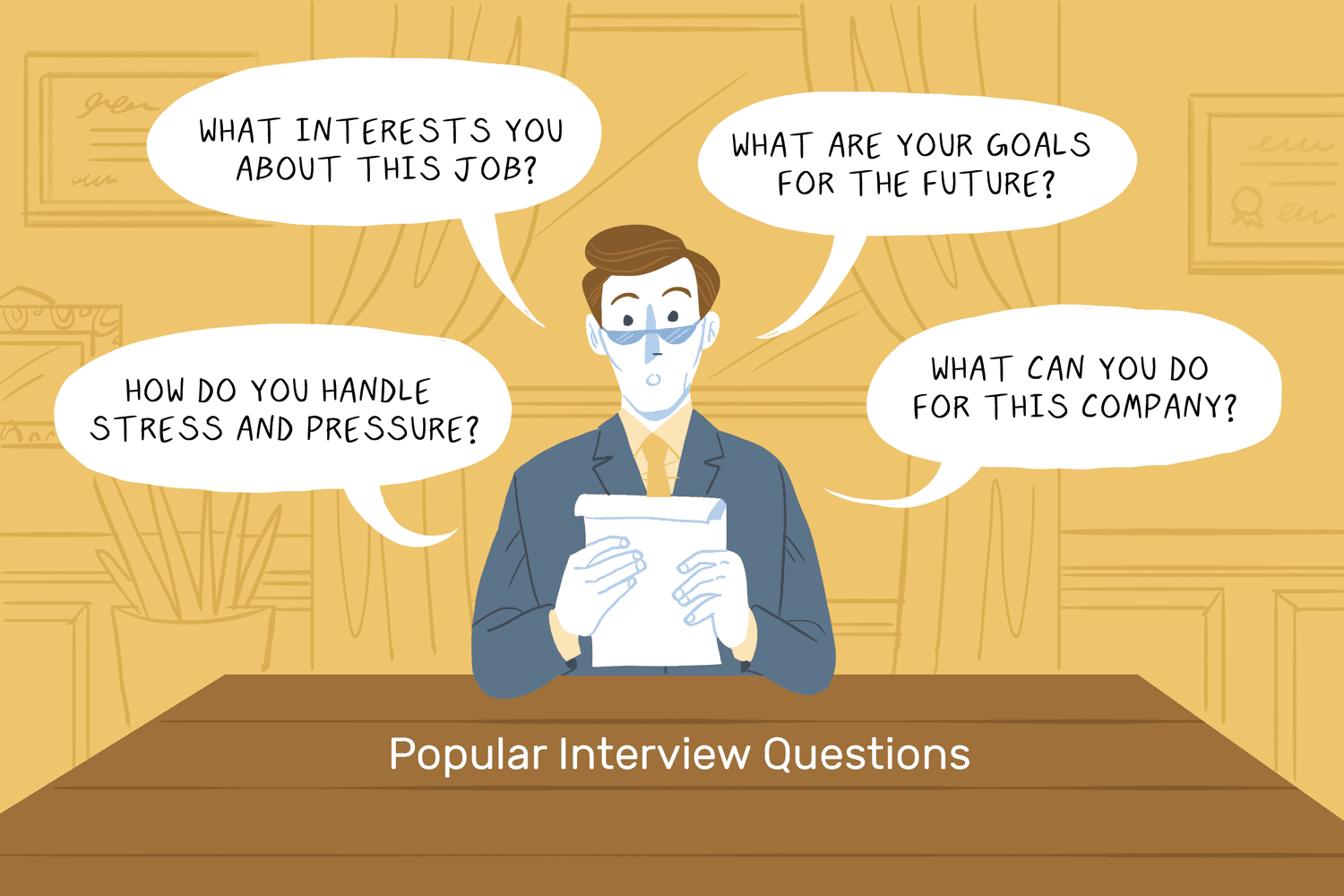
The Most Common Interview Questions You Should Prepare For
Job interviews can be nerve-wracking experiences, but being prepared can help you feel more confident and increase your chances of success. One key aspect of interview preparation is familiarizing yourself with common questions that are frequently asked by employers. By knowing what to expect, you can craft thoughtful responses that showcase your skills and qualifications. Here are some of the most common interview questions you should be ready to answer:
Tell me about yourself.
This open-ended question is often used as an icebreaker. Provide a brief overview of your background, highlighting relevant experiences and achievements that align with the job you are applying for.
What are your strengths and weaknesses?
When discussing your strengths, focus on skills that are relevant to the position. For weaknesses, be honest but also demonstrate how you are working to improve in those areas.
Why do you want to work for this company?
Showcase your knowledge of the company’s values, culture, and products/services. Explain how your goals align with the organization’s mission.
Can you provide an example of a challenging situation you faced at work and how you resolved it?
Use the STAR method (Situation, Task, Action, Result) to structure your response. Highlight your problem-solving skills and ability to handle adversity.
Where do you see yourself in five years?
Demonstrate ambition and long-term career goals while also showing how this position fits into your overall career trajectory.
Why should we hire you?
Summarize your unique qualifications and experiences that make you a strong fit for the role. Focus on what sets you apart from other candidates.
By preparing thoughtful responses to these common interview questions, you can approach your job interviews with confidence and poise. Remember to practice articulating your answers aloud and tailor them to each specific job opportunity for maximum impact.
5 Advantages of Familiarity with Common Interview Questions
- Helps candidates anticipate and prepare for standard interview formats.
- Allows candidates to showcase their communication skills and professionalism.
- Provides an opportunity for candidates to highlight their relevant experiences and qualifications.
- Encourages self-reflection on strengths, weaknesses, and career goals.
- Assists employers in assessing a candidate’s suitability for the position based on responses.
7 Drawbacks of Common Interview Questions: Why They May Not Reveal the Best Candidates
- May feel repetitive if asked the same questions in multiple interviews.
- Some questions may be too generic and not provide a clear understanding of the candidate’s abilities.
- Candidates may feel pressured to give ‘perfect’ answers, leading to inauthentic responses.
- Certain questions can be overly personal or intrusive, making candidates uncomfortable.
- Interviewers may rely too heavily on standard questions, missing out on uncovering unique qualities of candidates.
- Candidates who have prepared extensively for common questions may come across as rehearsed rather than genuine.
- Generic questions may not effectively assess specific skills or experiences relevant to the job.
Helps candidates anticipate and prepare for standard interview formats.
Understanding and familiarizing oneself with the most common interview questions serves as a valuable tool for candidates in preparing for standard interview formats. By being aware of the typical questions that may be asked during an interview, candidates can anticipate the topics that are likely to be covered and tailor their responses accordingly. This proactive approach allows candidates to showcase their qualifications, experiences, and skills more effectively, increasing their chances of presenting themselves in the best possible light to potential employers. Ultimately, preparing for common interview questions empowers candidates to approach interviews with confidence and readiness, enabling them to navigate the conversation smoothly and leave a lasting impression on interviewers.
Allows candidates to showcase their communication skills and professionalism.
Highlighting one of the key advantages of common interview questions, they offer candidates an opportunity to demonstrate their communication skills and professionalism. By articulating clear and concise responses to these familiar inquiries, candidates can showcase their ability to express ideas effectively, engage in meaningful dialogue, and present themselves in a polished manner. Strong communication skills are highly valued by employers as they are essential for collaboration, problem-solving, and building relationships within the workplace. Through well-crafted answers to common interview questions, candidates can leave a lasting impression that emphasizes their professionalism and readiness for the job.
Provides an opportunity for candidates to highlight their relevant experiences and qualifications.
One of the key advantages of most common interview questions is that they offer candidates a valuable opportunity to showcase their relevant experiences and qualifications. By asking about past accomplishments, challenges overcome, and skills acquired, these questions allow candidates to demonstrate how their background aligns with the requirements of the job. This enables candidates to highlight specific examples that illustrate their capabilities and expertise, making a compelling case for why they are the ideal fit for the position. Ultimately, this pro of common interview questions empowers candidates to effectively communicate their value and potential contribution to prospective employers.
Encourages self-reflection on strengths, weaknesses, and career goals.
One significant advantage of encountering common interview questions is that they prompt individuals to engage in self-reflection regarding their strengths, weaknesses, and career aspirations. By articulating responses to inquiries about strengths, candidates can gain a deeper understanding of their unique skills and capabilities. Similarly, addressing questions about weaknesses fosters introspection on areas for improvement and personal growth. Furthermore, discussing career goals allows individuals to align their ambitions with potential opportunities, fostering clarity and direction in their professional journey. This self-reflective process not only enhances interview performance but also contributes to personal development and goal setting.
Assists employers in assessing a candidate’s suitability for the position based on responses.
One significant advantage of using common interview questions is that they assist employers in evaluating a candidate’s suitability for the position based on their responses. By asking standard questions that probe into various aspects of a candidate’s background, skills, and experiences, employers can gain valuable insights into how well the individual aligns with the job requirements and company culture. Consistency in asking these questions across all candidates allows for a more objective comparison and assessment of each applicant’s qualifications, ultimately aiding employers in making informed hiring decisions.
May feel repetitive if asked the same questions in multiple interviews.
One drawback of common interview questions is that they may feel repetitive if asked the same set of questions in multiple interviews. Answering identical or similar questions across different interviews can lead to a sense of monotony and may hinder the candidate’s ability to showcase their full range of skills and experiences. It can also make the interview process less engaging for both the interviewer and the interviewee, potentially affecting the overall impression and effectiveness of the interaction. To combat this issue, candidates can try to inject fresh perspectives or examples into their responses, demonstrating adaptability and versatility even when faced with familiar questions.
Some questions may be too generic and not provide a clear understanding of the candidate’s abilities.
One con of relying on the most common interview questions is that some of these questions may be too generic and fail to delve deep into a candidate’s abilities and qualifications. Questions like “Tell me about yourself” or “What are your strengths and weaknesses” can elicit standard, rehearsed responses that may not provide a clear understanding of the candidate’s true capabilities. Employers risk missing out on valuable insights into a candidate’s unique skills and experiences when using overly generic questions, potentially leading to a mismatch between the job requirements and the candidate’s actual strengths.
Candidates may feel pressured to give ‘perfect’ answers, leading to inauthentic responses.
One significant drawback of the most common interview questions is that candidates may feel pressured to provide “perfect” answers, which can result in inauthentic responses. This pressure to impress the interviewer and stand out among other candidates may lead individuals to tailor their answers to what they believe the employer wants to hear rather than expressing their genuine thoughts and experiences. As a result, the authenticity of the candidate’s responses may be compromised, potentially hindering the interviewer’s ability to truly assess the candidate’s suitability for the role. Employers should be mindful of this con and strive to create an environment where candidates feel comfortable being themselves during interviews.
Certain questions can be overly personal or intrusive, making candidates uncomfortable.
One significant drawback of common interview questions is that some inquiries can cross the line into being overly personal or intrusive, potentially causing discomfort for candidates. Questions that delve into personal matters unrelated to the job role can create an awkward and unprofessional atmosphere during the interview process. Candidates may feel pressured to disclose sensitive information that they are not comfortable sharing, leading to a sense of unease and reluctance to fully engage in the conversation. Employers should be mindful of maintaining a respectful and professional tone during interviews to ensure that candidates feel valued and respected throughout the hiring process.
Interviewers may rely too heavily on standard questions, missing out on uncovering unique qualities of candidates.
In the realm of job interviews, a notable con of relying on the most common interview questions is that interviewers may lean too heavily on these standard inquiries, inadvertently overlooking the opportunity to unearth the distinctive qualities and attributes that make each candidate truly stand out. By sticking strictly to a set list of generic questions, interviewers run the risk of missing valuable insights into an individual’s unique skills, experiences, and perspectives that could be instrumental in determining their suitability for the role. Embracing a more personalized approach to questioning can help ensure that candidates have the chance to showcase what sets them apart from others and demonstrate how they can bring added value to the organization.
Candidates who have prepared extensively for common questions may come across as rehearsed rather than genuine.
One significant drawback of relying heavily on common interview questions is that candidates who have extensively prepared may risk coming across as rehearsed rather than authentic. Employers value genuine responses that provide insight into a candidate’s true personality and capabilities. When answers sound overly rehearsed, it can create a barrier to establishing a genuine connection during the interview process. While preparation is essential, striking a balance between readiness and spontaneity can help candidates convey their qualifications in a more natural and engaging manner.
Generic questions may not effectively assess specific skills or experiences relevant to the job.
One significant drawback of relying on the most common interview questions is that their generic nature may not effectively evaluate specific skills or experiences that are directly relevant to the job at hand. While these questions can provide a general understanding of a candidate’s personality and communication style, they may fall short in assessing specialized competencies or industry-specific knowledge required for the role. Employers risk missing out on crucial insights into a candidate’s capabilities when using generic questions that do not delve deeply into the specific qualifications needed for the position. Customizing interview questions to align with the job requirements can lead to a more accurate assessment of a candidate’s suitability and potential contribution to the organization.