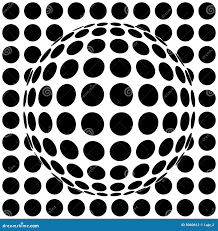
The Art of Op Art: Exploring Optical Illusions in Visual Art
Op art, short for optical art, is a fascinating genre of visual art that plays with perception and creates mesmerizing optical illusions. Originating in the 1960s, op art gained popularity for its ability to captivate viewers and challenge their visual senses.
One of the key characteristics of op art is its emphasis on geometric shapes, patterns, and colors to create illusions of movement or depth. Artists use precise techniques such as precise lines, contrasting colors, and repetition to achieve these effects.
Renowned op artists like Victor Vasarely and Bridget Riley are known for their groundbreaking works that showcase the power of optical illusions. Vasarely’s geometric patterns seem to pulsate and shift before the viewer’s eyes, while Riley’s vibrant compositions create a sense of movement and rhythm.
Op art is not only visually striking but also challenges our perception of reality. By manipulating visual elements, artists invite viewers to question what they see and how their brains interpret shapes and colors. The experience of viewing op art can be both disorienting and exhilarating, as the mind tries to make sense of the seemingly impossible images.
Op art continues to inspire contemporary artists who explore new ways to push the boundaries of optical illusions in art. Through digital technologies and innovative techniques, artists are creating immersive experiences that blur the line between reality and illusion.
Whether you are a seasoned art enthusiast or simply curious about exploring new artistic styles, op art offers a captivating journey into the world of optical illusions. Take a moment to immerse yourself in the mesmerizing patterns and colors of op art, and let your imagination soar through the realm of visual trickery.
Exploring the Intriguing World of Op Art: 9 Compelling Reasons to Appreciate Its Visual Mastery
- Op art creates visually captivating illusions that engage and intrigue viewers.
- The precise techniques used in op art demonstrate the skill and expertise of the artists.
- Op art challenges traditional perceptions of art by focusing on optical effects rather than realistic representation.
- Viewing op art can be a dynamic and interactive experience as the illusions seem to move or shift.
- Op art stimulates the brain and encourages viewers to question how they perceive shapes, colors, and patterns.
- Artists working in op art often explore innovative ways to manipulate visual elements, pushing the boundaries of artistic expression.
- Op art offers a unique blend of geometry, color theory, and psychology to create striking visual effects.
- The mesmerizing patterns and illusions in op art can evoke a sense of wonder and fascination in viewers of all ages.
- Exploring op art allows individuals to appreciate the power of optical illusions in creating immersive artistic experiences.
Challenges and Criticisms of Op Art: Visual Overload and Perceptual Pitfalls
- Op art can be visually overwhelming for some viewers, leading to discomfort or headaches.
- Some people may find op art too abstract or confusing, making it challenging to appreciate the artistic intent.
- Certain optical illusions in op art may trigger dizziness or disorientation in sensitive individuals.
- Op art’s reliance on visual tricks and illusions may overshadow other aspects of traditional artistic expression, such as emotional depth or narrative storytelling.
Op art creates visually captivating illusions that engage and intrigue viewers.
Op art’s ability to create visually captivating illusions that engage and intrigue viewers is a testament to the genre’s power to captivate the imagination. By playing with perception and manipulating geometric shapes, patterns, and colors, op art draws viewers into a world where reality seems to shift and transform before their eyes. The mesmerizing effects of op art not only stimulate the visual senses but also invite contemplation and exploration, making it a truly immersive and thought-provoking experience for all who encounter it.
The precise techniques used in op art demonstrate the skill and expertise of the artists.
The precise techniques employed in op art exemplify the mastery and proficiency of the artists behind these mesmerizing creations. From meticulously executed lines to carefully selected color palettes, every element in op art is deliberately crafted to achieve stunning optical effects. This attention to detail not only showcases the artists’ technical skills but also highlights their ability to manipulate visual perception with precision and finesse. Through their expert use of geometric shapes and patterns, op artists demonstrate a remarkable level of artistry that continues to captivate and inspire viewers around the world.
Op art challenges traditional perceptions of art by focusing on optical effects rather than realistic representation.
Op art presents a refreshing perspective on artistic expression by prioritizing optical effects over realistic representation. By diverging from traditional norms of art, op art challenges viewers to engage with the visual experience in a new and innovative way. This emphasis on optical illusions encourages a shift in perception, inviting audiences to explore the boundaries of what art can achieve beyond conventional aesthetics. Through its mesmerizing patterns and illusions, op art opens up a realm of creativity that transcends the limitations of realistic depictions, sparking curiosity and redefining the essence of visual artistry.
Viewing op art can be a dynamic and interactive experience as the illusions seem to move or shift.
Viewing op art can be a dynamic and interactive experience as the illusions seem to move or shift. The captivating nature of op art lies in its ability to engage viewers in a visual dialogue that goes beyond static images. As the mind grapples with the shifting patterns and optical effects, viewers are drawn into a world where perception is constantly challenged and redefined. This interactive quality not only makes op art visually stimulating but also encourages active participation from the audience, inviting them to explore the boundaries of what is real and what is illusion.
Op art stimulates the brain and encourages viewers to question how they perceive shapes, colors, and patterns.
Op art serves as a powerful stimulant for the brain, compelling viewers to reexamine their perceptions of shapes, colors, and patterns. By presenting optical illusions that challenge conventional visual cues, op art prompts individuals to question the way their minds interpret the world around them. This engagement with deceptive yet captivating artworks not only triggers cognitive processes but also fosters a deeper appreciation for the complexities of human perception.
Artists working in op art often explore innovative ways to manipulate visual elements, pushing the boundaries of artistic expression.
In the realm of op art, artists delve into innovative techniques to manipulate visual elements, pushing the boundaries of artistic expression to new heights. By experimenting with geometric shapes, patterns, and colors, these creatives challenge traditional norms and conventions, offering viewers a fresh perspective on visual art. Through their exploration of optical illusions and dynamic compositions, op artists ignite a sense of curiosity and wonder, inviting audiences to engage with art in unconventional and thought-provoking ways.
Op art offers a unique blend of geometry, color theory, and psychology to create striking visual effects.
Op art presents a distinctive advantage by seamlessly blending elements of geometry, color theory, and psychology to produce visually striking effects. Through the meticulous arrangement of geometric shapes, strategic color combinations, and an understanding of how the human mind perceives visual stimuli, op art artists craft compositions that captivate the viewer’s attention and evoke a sense of wonder. This harmonious fusion of disciplines not only results in mesmerizing optical illusions but also invites individuals to delve deeper into the intricate interplay between form, color, and perception within the realm of art.
The mesmerizing patterns and illusions in op art can evoke a sense of wonder and fascination in viewers of all ages.
The mesmerizing patterns and illusions in op art have the remarkable ability to evoke a sense of wonder and fascination in viewers of all ages. Regardless of one’s background or artistic knowledge, the captivating optical effects created by op art can spark a sense of curiosity and awe. From children mesmerized by the shifting patterns to adults marveling at the intricate designs, op art has a universal appeal that transcends generational boundaries, offering a unique visual experience that leaves a lasting impression on all who encounter it.
Exploring op art allows individuals to appreciate the power of optical illusions in creating immersive artistic experiences.
Exploring op art allows individuals to appreciate the power of optical illusions in creating immersive artistic experiences. By delving into the world of op art, viewers are presented with a unique opportunity to witness how geometric patterns, contrasting colors, and precise techniques can come together to deceive the eye and captivate the mind. The intricate designs and mesmerizing effects found in op art not only showcase the creativity and skill of artists but also invite observers to engage with art on a deeper level, fostering a sense of wonder and appreciation for the boundless possibilities of visual expression.
Op art can be visually overwhelming for some viewers, leading to discomfort or headaches.
Op art, with its intricate patterns and optical illusions, can be visually overwhelming for some viewers, potentially leading to discomfort or headaches. The intense contrast, repetitive shapes, and rapid visual shifts characteristic of op art can overstimulate the eyes and brain, causing sensory overload for individuals who may be more sensitive to such stimuli. While op art is celebrated for its ability to create dynamic visual effects, it is important to acknowledge that the immersive nature of these artworks may not be suitable for everyone’s viewing experience. It is advisable for individuals prone to visual sensitivity to approach op art with caution and take breaks if needed to prevent any adverse effects on their well-being.
Some people may find op art too abstract or confusing, making it challenging to appreciate the artistic intent.
Some people may find op art too abstract or confusing, making it challenging to appreciate the artistic intent. The intricate patterns and optical illusions featured in op art can be disorienting for viewers who prefer more straightforward or representational artwork. The deliberate distortion of shapes and colors in op art may create a sense of visual discomfort or uncertainty for those who seek clarity and realism in art. However, this very aspect of op art also serves as an invitation to explore beyond conventional boundaries and engage with the complexities of perception, offering a unique opportunity for viewers to expand their understanding of visual expression.
Certain optical illusions in op art may trigger dizziness or disorientation in sensitive individuals.
Certain optical illusions in op art may trigger dizziness or disorientation in sensitive individuals. The intense patterns and visual effects employed in op art can sometimes overwhelm the brain’s ability to process the information, leading to feelings of vertigo or discomfort. It is important for viewers, especially those prone to motion sickness or sensory sensitivities, to approach op art with caution and take breaks if needed to avoid any adverse reactions. While op art can be a captivating and thought-provoking experience for many, it is essential to prioritize the well-being and comfort of individuals who may be more susceptible to the disorienting effects of these optical illusions.
Op art’s reliance on visual tricks and illusions may overshadow other aspects of traditional artistic expression, such as emotional depth or narrative storytelling.
Op art’s reliance on visual tricks and illusions may overshadow other aspects of traditional artistic expression, such as emotional depth or narrative storytelling. While op art excels in captivating viewers with its mesmerizing optical illusions, it may sometimes prioritize the visual impact over conveying deeper emotions or narratives. This focus on creating optical effects can lead to a potential limitation in exploring themes that rely on subtlety, symbolism, or storytelling found in other forms of art. As a result, some critics argue that op art’s emphasis on visual stimuli may detract from the richness and complexity of traditional artistic expression that delves into human experiences and emotions.