The Art of the Star Interview: Navigating Success in Job Interviews
Job interviews can be nerve-wracking experiences for many individuals seeking new opportunities in their careers. Among the various types of interviews, the star interview method has gained popularity for its structured approach in evaluating candidates’ qualifications and potential fit for a role.
Understanding the Star Interview Technique
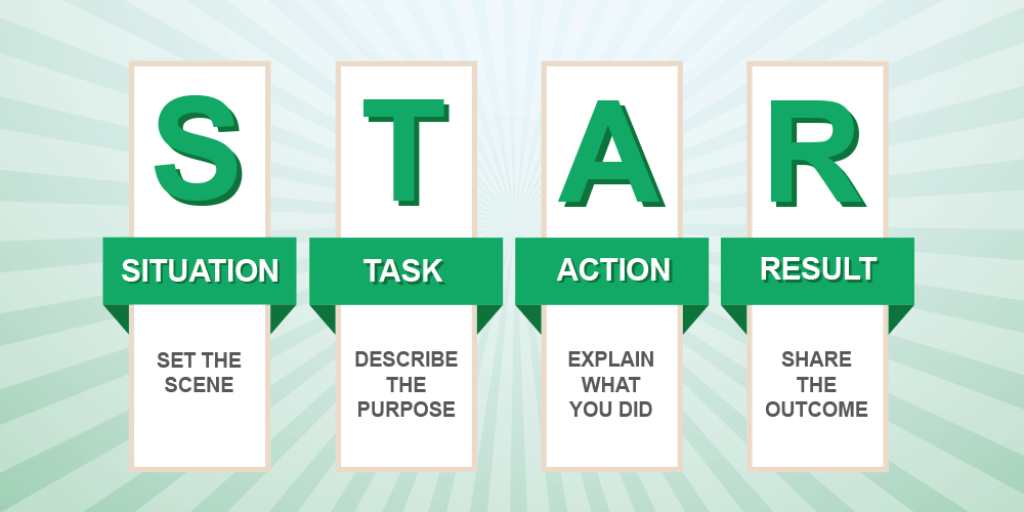
The star interview technique is based on the concept of Situation, Task, Action, and Result. During a star interview, candidates are asked to provide specific examples from their past experiences that demonstrate their skills and abilities relevant to the job requirements.
Breaking Down the Star Method:
- Situation: Describe the context or situation you were in.
- Task: Explain the task or challenge you faced.
- Action: Detail the actions you took to address the task or challenge.
- Result: Share the outcomes or results of your actions.
Tips for Excelling in Star Interviews
To succeed in a star interview, consider the following tips:
- Prepare Examples: Identify key experiences from your past that align with the job requirements and practice articulating them using the star method.
- Showcase Skills: Highlight specific skills and competencies through concrete examples rather than vague statements.
- Quantify Results: Whenever possible, quantify your achievements to provide measurable results that demonstrate your impact.
- Be Concise: Keep your responses focused and concise while ensuring you cover all elements of the star method.
- Show Authenticity: Be genuine in sharing your experiences and insights to establish a connection with the interviewer.
The Impact of Star Interviews on Hiring Decisions
Employers value star interviews for their ability to assess candidates’ behavioral competencies and problem-solving skills based on real-life scenarios. By showcasing relevant experiences using the star method, candidates can make a compelling case for their candidacy and differentiate themselves from other applicants.
In conclusion, mastering the art of the star interview can significantly enhance your chances of success in job interviews. By effectively communicating your skills and accomplishments through structured examples, you can leave a lasting impression on hiring managers and position yourself as a top candidate for exciting career opportunities.
8 Benefits of STAR Interviews: A Structured Path to Success
- Structured approach
- Focus on specific examples
- Behavioral assessment
- Measurable results
- Differentiation
- Effective communication
- Preparation tool
- Increased confidence
6 Drawbacks of STAR Interviews: Challenges and Limitations
- 1. Time-Consuming
- 2. Stressful for Some
- 3. Limited Scope
- 4. Overemphasis on Structure
- 5. Difficulty for Entry-Level Candidates
- 6. Risk of Overpreparation
Structured approach
The structured approach of the star interview method offers a valuable framework for candidates to effectively communicate their past experiences. By adhering to the Situation, Task, Action, and Result format, candidates can present their stories in a logical and organized manner. This clear structure not only helps candidates stay focused during the interview but also enables them to provide comprehensive and relevant examples that demonstrate their skills and capabilities. Ultimately, the structured nature of the star interview method enhances clarity and coherence in candidate responses, allowing them to showcase their qualifications with precision and impact.
Focus on specific examples
In the star interview method, one notable advantage is its emphasis on candidates offering specific examples from their previous experiences to showcase their skills and abilities. By requiring individuals to provide concrete instances where they faced challenges, took actions, and achieved results, the star interview technique enables a more in-depth evaluation of candidates’ qualifications. This focus on real-life examples not only allows interviewers to assess the practical application of a candidate’s skills but also provides valuable insight into how they approach tasks and problem-solving. Ultimately, highlighting specific examples can help candidates effectively communicate their capabilities and stand out as strong contenders for the position.
Behavioral assessment
Employers leverage the star interview technique to conduct behavioral assessments of candidates, providing valuable insights into their competencies and problem-solving abilities. By prompting candidates to share specific examples from their past experiences using the Situation, Task, Action, and Result framework, employers can evaluate how individuals approach challenges, communicate effectively, and make decisions under pressure. This structured approach not only helps employers gauge a candidate’s suitability for a role but also enables them to assess how well an individual’s behavioral traits align with the organization’s values and culture.
Measurable results
By quantifying achievements, candidates can showcase tangible results of their actions in previous roles. Providing measurable outcomes not only demonstrates the candidate’s ability to deliver concrete results but also offers concrete evidence of their impact on past projects or initiatives. Employing the star interview method allows candidates to effectively communicate the value they have brought to their previous roles, highlighting their contributions in a way that resonates with potential employers seeking measurable results and demonstrated success.
Differentiation
By leveraging the star method in job interviews, candidates have the opportunity to stand out and differentiate themselves from other applicants. This structured approach enables individuals to showcase their distinctive experiences and accomplishments in a compelling manner. By emphasizing specific examples that align with the job requirements and demonstrating their problem-solving abilities through real-life scenarios, candidates can effectively highlight their unique strengths and competencies. This differentiation not only captures the attention of hiring managers but also positions candidates as valuable assets who bring a diverse range of skills and perspectives to the role.
Effective communication
The star interview technique offers a significant advantage in promoting effective communication during job interviews. By requiring candidates to follow a structured format of Situation, Task, Action, and Result, this method enables individuals to clearly articulate their qualifications and experiences. This structured approach not only helps candidates stay focused and organized in their responses but also allows them to showcase their skills and accomplishments in a coherent and compelling manner. Ultimately, the star interview technique enhances candidates’ ability to communicate their value proposition to potential employers with clarity and precision.
Preparation tool
Utilizing the star method as a preparation tool offers candidates a strategic advantage in interview settings. By practicing this structured approach, individuals can proactively identify and refine relevant examples from their past experiences that align with the job requirements. This preparation not only enhances candidates’ confidence during interviews but also allows them to showcase their skills and competencies effectively. Ultimately, through diligent practice of the star method, candidates can enter interviews well-prepared and equipped to articulate compelling narratives that demonstrate their qualifications and suitability for the role.
Increased confidence
The star interview method offers a valuable pro in the form of increased confidence for candidates. By providing a structured framework for crafting responses, candidates can approach interviews with a sense of preparedness and clarity. The clear roadmap offered by the star method empowers candidates to effectively showcase their skills and experiences in a systematic manner, leading to more confident and articulate interactions with interviewers. This boost in confidence not only enhances candidates’ performance during interviews but also helps them present themselves as strong contenders for the desired position.
1. Time-Consuming
The star interview method, while effective in assessing candidates’ qualifications and skills, presents a notable drawback in its time-consuming nature. Candidates are required to invest significant time and effort in preparing detailed examples that align with the Situation, Task, Action, and Result framework. This intensive preparation process can be labor-intensive, especially for individuals juggling multiple job interviews or other commitments. The need to craft specific and compelling narratives for each scenario can consume valuable time that candidates may prefer to allocate to other aspects of their job search or professional development.
2. Stressful for Some
Candidates who struggle with recalling specific examples or articulating their experiences under pressure may find the star interview format stressful. The structured nature of the star method requires candidates to think quickly on their feet and provide detailed responses within a limited time frame. For individuals who may feel anxious or overwhelmed in high-pressure situations, the expectation to deliver precise examples following the Situation, Task, Action, and Result framework can add to their stress levels during the interview process. This heightened pressure can potentially hinder their ability to showcase their true capabilities and may impact their overall performance in the star interview.
3. Limited Scope
The star method, while effective in evaluating candidates based on past experiences, has a notable con in its limited scope. By emphasizing historical situations and actions, the star interview approach may inadvertently downplay candidates’ potential for growth and adaptability in new roles. This narrow focus on past accomplishments could overlook individuals who possess the capacity to learn quickly, innovate, and excel in unfamiliar scenarios. As organizations evolve and seek employees who can thrive in dynamic environments, the exclusive reliance on the star method may hinder the assessment of candidates’ future potential and readiness to tackle emerging challenges effectively.
4. Overemphasis on Structure
Some candidates may find the overemphasis on structure in star interviews to be a con, as it can lead to a sense of constraint and limitation in fully showcasing their qualifications and potential. The rigid format of the star interview may restrict candidates from providing nuanced or holistic responses, potentially overlooking valuable aspects of their experiences that do not neatly fit into the predefined Situation, Task, Action, and Result framework. This emphasis on structure could hinder candidates’ ability to convey the depth and complexity of their skills and competencies, thereby potentially underselling their true capabilities during the interview process.
5. Difficulty for Entry-Level Candidates
Entry-level candidates often face a significant hurdle when navigating star interviews due to their limited work experience. The structured nature of the star interview method requires candidates to draw upon past experiences to demonstrate their skills and competencies. However, for those who are just starting their careers, finding relevant examples that meet the criteria of the star method can be a daunting task. Without a robust professional background to lean on, entry-level candidates may struggle to showcase their abilities effectively within the framework of the star interview, potentially putting them at a disadvantage in the competitive job market.
6. Risk of Overpreparation
Excessive focus on preparing scripted responses in the star format poses a significant con of star interviews. While thorough preparation is essential, there is a risk of overpreparation leading to responses that appear insincere or rehearsed in the actual interview. When candidates prioritize memorizing specific examples to fit the star method, they may struggle to convey authenticity and genuine engagement with the interviewer. This can create a barrier to building a meaningful connection and showcasing their true capabilities, potentially undermining their chances of making a favorable impression during the interview process. Balancing preparation with spontaneity and natural communication is crucial to avoid the pitfall of coming across as overly rehearsed in star interviews.