The Importance of Sustainable Agriculture
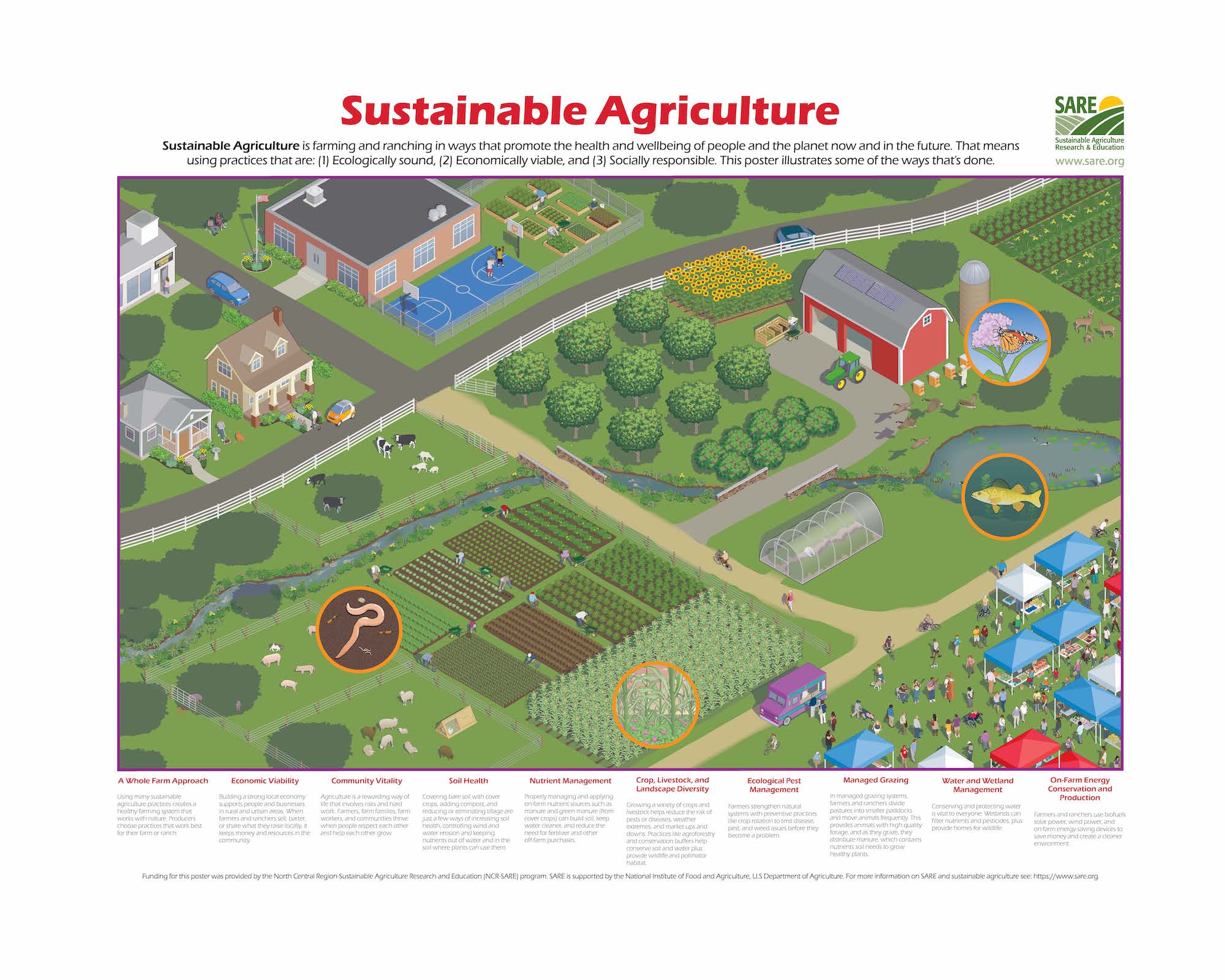
Sustainable agriculture is a crucial practice that aims to meet the needs of the present without compromising the ability of future generations to meet their own needs. It involves implementing farming methods that are environmentally friendly, socially responsible, and economically viable.
One of the key aspects of sustainable agriculture is soil health. By using techniques such as crop rotation, cover cropping, and minimal tillage, farmers can improve soil quality, reduce erosion, and enhance biodiversity. Healthy soils not only support plant growth but also sequester carbon from the atmosphere, helping to mitigate climate change.
Water conservation is another critical component of sustainable agriculture. By implementing practices like drip irrigation, rainwater harvesting, and water recycling, farmers can reduce water waste and minimize their impact on local water sources. This not only benefits the environment but also ensures long-term water availability for agricultural activities.
Furthermore, sustainable agriculture promotes biodiversity by preserving natural habitats and minimizing the use of harmful chemicals. By avoiding synthetic pesticides and fertilizers, farmers protect beneficial insects, birds, and other wildlife that play essential roles in ecosystem functioning.
From a social perspective, sustainable agriculture supports local communities by promoting fair labor practices, providing access to nutritious food, and fostering economic resilience. By prioritizing the well-being of farm workers and consumers alike, sustainable agriculture contributes to a more equitable and just food system.
In conclusion, sustainable agriculture is not just a buzzword but a necessary approach to ensure food security, environmental stewardship, and social equity. By adopting sustainable practices on farms worldwide, we can build a more resilient agricultural system that meets the needs of current generations without compromising the ability of future generations to thrive.
Understanding Sustainable Agriculture: Key Practices, Principles, and Benefits
- What is an example of a sustainable agricultural practice?
- What is in a sustainable farm?
- What does sustainably grown mean?
- How does sustainable ag improve soil fertility?
- What are the 3 pillars of sustainable agriculture?
- What is industrial ag and sustainable ag?
- What are the three elements of sustainable agriculture?
What is an example of a sustainable agricultural practice?
An example of a sustainable agricultural practice is crop rotation. Crop rotation involves planting different crops in a specific sequence on the same piece of land over time. This practice helps improve soil health, reduce pest and disease pressure, and enhance nutrient cycling. By rotating crops, farmers can maintain soil fertility, prevent soil erosion, and reduce the need for synthetic inputs like fertilizers and pesticides. Crop rotation is a sustainable approach that promotes biodiversity, increases crop resilience, and contributes to long-term agricultural sustainability.
What is in a sustainable farm?
A sustainable farm encompasses a holistic approach to agriculture that prioritizes environmental stewardship, social responsibility, and economic viability. In a sustainable farm, practices such as crop rotation, cover cropping, and integrated pest management are employed to maintain soil health and fertility while minimizing the use of synthetic inputs. Additionally, sustainable farms prioritize water conservation through efficient irrigation methods and rainwater harvesting. They also promote biodiversity by preserving natural habitats and supporting wildlife diversity. Socially, sustainable farms prioritize fair labor practices, community engagement, and access to healthy food options. Overall, a sustainable farm operates in harmony with nature to ensure long-term productivity while safeguarding the well-being of the environment and local communities.
What does sustainably grown mean?
When we talk about sustainably grown produce, we are referring to agricultural practices that prioritize the long-term health of the environment, society, and economy. Sustainably grown crops are cultivated using methods that minimize negative impacts on the ecosystem, conserve natural resources like water and soil, and promote biodiversity. Additionally, sustainable agriculture takes into account social aspects such as fair labor practices, community well-being, and access to healthy food for all. By choosing sustainably grown products, consumers can support a food system that not only meets current needs but also preserves resources for future generations.
How does sustainable ag improve soil fertility?
Sustainable agriculture improves soil fertility through a variety of practices that prioritize the health and vitality of the soil ecosystem. By implementing techniques such as crop rotation, cover cropping, and organic matter additions, sustainable agriculture enhances soil structure, increases nutrient availability, and promotes beneficial microbial activity. These practices help to replenish essential nutrients in the soil, minimize erosion, and support long-term soil health. Overall, sustainable agriculture fosters a balanced and resilient soil environment that not only sustains crop productivity but also contributes to overall ecosystem health.
What are the 3 pillars of sustainable agriculture?
In sustainable agriculture, the concept of the three pillars refers to the interconnected principles that form the foundation of environmentally conscious farming practices. These pillars are typically identified as economic viability, social equity, and environmental health. Economic viability emphasizes the importance of ensuring that agricultural practices are financially sustainable for farmers in the long term. Social equity focuses on promoting fair treatment of farm workers, supporting local communities, and providing access to healthy food for all. Environmental health highlights the need to protect natural resources, minimize pollution, and preserve biodiversity for future generations. Together, these three pillars guide sustainable agriculture towards a balanced and holistic approach that addresses the interconnected challenges facing our food system.
What is industrial ag and sustainable ag?
Industrial agriculture and sustainable agriculture represent two distinct approaches to food production. Industrial agriculture, often characterized by large-scale monoculture farming, heavy use of chemical inputs, and mechanized practices, focuses on maximizing yields and efficiency in the short term. In contrast, sustainable agriculture emphasizes long-term environmental health, social responsibility, and economic viability. Sustainable agriculture prioritizes practices that promote soil health, biodiversity conservation, water conservation, and community well-being while minimizing negative impacts on the environment. By understanding the differences between industrial agriculture and sustainable agriculture, individuals can make informed choices about supporting agricultural practices that align with their values and contribute to a more resilient food system.
What are the three elements of sustainable agriculture?
In sustainable agriculture, the three key elements encompass environmental stewardship, social equity, and economic viability. Environmental stewardship focuses on practices that promote soil health, water conservation, biodiversity preservation, and climate resilience. Social equity emphasizes fair treatment of farm workers, community engagement, access to healthy food for all, and cultural preservation. Economic viability involves ensuring that agricultural practices are economically sustainable for farmers, supporting local economies, and promoting long-term profitability without compromising the environment or social well-being. By integrating these three elements into agricultural practices, sustainable agriculture seeks to create a harmonious balance that benefits both present and future generations.