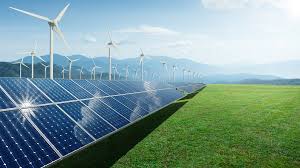
The Power of Sustainable Energy: Shaping a Greener Future
In today’s world, the importance of sustainable energy cannot be overstated. As we face the challenges of climate change and environmental degradation, transitioning to renewable sources of energy has become a critical priority. Sustainable energy offers a path towards a greener future, where our energy needs are met without compromising the well-being of our planet.
One of the key benefits of sustainable energy is its minimal impact on the environment. Unlike traditional fossil fuels, which release harmful greenhouse gases into the atmosphere, renewable energy sources such as solar, wind, and hydroelectric power generate electricity with little to no carbon emissions. This not only helps reduce air pollution but also mitigates the effects of climate change.
Another advantage of sustainable energy is its long-term sustainability. Fossil fuels are finite resources that will eventually run out, leading to energy scarcity and price volatility. In contrast, renewable energy sources are abundant and inexhaustible, ensuring a stable and reliable energy supply for generations to come.
Furthermore, investing in sustainable energy creates economic opportunities and promotes job growth. The renewable energy sector is rapidly expanding, creating new employment opportunities in manufacturing, installation, maintenance, and research. By shifting towards a green economy based on sustainable energy production, we can stimulate economic development while reducing our reliance on environmentally harmful practices.
Despite these benefits, transitioning to sustainable energy is not without its challenges. The initial costs of implementing renewable energy infrastructure can be high, requiring significant investments in technology and infrastructure. Additionally, integrating intermittent sources like solar and wind power into existing grids poses technical challenges that need to be addressed through innovation and strategic planning.
However, with advancements in technology and growing public awareness about the importance of sustainability, the transition to sustainable energy is gaining momentum worldwide. Governments, businesses, and individuals are increasingly embracing renewable sources of energy as a viable alternative to fossil fuels.
In conclusion, sustainable energy holds great promise for shaping a greener future for our planet. By harnessing the power of renewable resources and reducing our reliance on fossil fuels, we can create a more sustainable world for current and future generations. It is imperative that we continue to prioritize sustainability in our energy policies and practices to ensure a cleaner, healthier planet for all.
Exploring Sustainable Energy: Answers to 8 Common Questions
- What is sustainable energy?
- Why is sustainable energy important?
- What are the different types of renewable energy sources?
- How does solar energy work as a sustainable energy source?
- What are the benefits of wind power in sustainable energy production?
- How can individuals contribute to promoting sustainable energy practices?
- What role do government policies play in advancing sustainable energy initiatives?
- What are the challenges associated with transitioning to a fully sustainable energy system?
What is sustainable energy?
Sustainable energy refers to energy sources that are renewable, environmentally friendly, and can be used without depleting natural resources. Unlike fossil fuels, which have a limited supply and contribute to climate change through carbon emissions, sustainable energy sources such as solar, wind, hydroelectric, and geothermal power offer a cleaner and more sustainable alternative. By harnessing these renewable resources, we can meet our energy needs while minimizing our impact on the environment and ensuring a greener future for generations to come.
Why is sustainable energy important?
Sustainable energy is crucial for several reasons. Firstly, it helps combat climate change by reducing greenhouse gas emissions and minimizing environmental degradation. By shifting towards renewable sources like solar, wind, and hydroelectric power, we can mitigate the harmful effects of burning fossil fuels on our planet. Secondly, sustainable energy promotes energy security and independence by diversifying our energy sources and reducing reliance on finite resources. This resilience ensures a stable and reliable energy supply for future generations. Lastly, investing in sustainable energy drives innovation, creates green jobs, and stimulates economic growth while fostering a cleaner and healthier environment for all.
What are the different types of renewable energy sources?
When exploring sustainable energy options, it is essential to understand the variety of renewable energy sources available. These include solar power, which harnesses energy from the sun through photovoltaic panels or concentrated solar power systems; wind power, generated by capturing the kinetic energy of moving air with wind turbines; hydroelectric power, derived from flowing water in rivers or dams to produce electricity; geothermal energy, utilizing heat from beneath the Earth’s surface for power generation; and biomass energy, produced from organic materials like wood pellets or agricultural waste. Each type of renewable energy source offers unique advantages and contributes to a diversified and sustainable energy portfolio.
How does solar energy work as a sustainable energy source?
Solar energy works as a sustainable energy source by harnessing the power of sunlight to generate electricity. Solar panels, made up of photovoltaic cells, capture sunlight and convert it into usable electrical energy through the photovoltaic effect. This process involves the absorption of photons from sunlight, which in turn creates an electric current that can be used to power homes, businesses, and other applications. Since sunlight is abundant and renewable, solar energy provides a clean and sustainable alternative to fossil fuels, reducing carbon emissions and environmental impact. By utilizing solar power as a renewable energy source, we can reduce our dependence on non-renewable resources and move towards a more sustainable energy future.
What are the benefits of wind power in sustainable energy production?
Wind power offers numerous benefits in sustainable energy production. One key advantage is its ability to generate electricity without producing harmful greenhouse gas emissions, making it a clean and environmentally friendly alternative to fossil fuels. Additionally, wind power is a renewable energy source, meaning it will never run out and can provide a consistent and reliable energy supply for the long term. Harnessing the power of the wind also helps reduce our dependence on finite resources and contributes to energy security. Furthermore, wind farms create economic opportunities by stimulating job growth in manufacturing, installation, and maintenance sectors. Overall, wind power plays a crucial role in advancing sustainable energy production by offering a cost-effective, eco-friendly, and scalable solution to our energy needs.
How can individuals contribute to promoting sustainable energy practices?
Individuals play a crucial role in promoting sustainable energy practices through their everyday choices and actions. One impactful way to contribute is by reducing energy consumption at home by using energy-efficient appliances, turning off lights when not in use, and optimizing heating and cooling systems. Additionally, individuals can support renewable energy sources by opting for green energy plans offered by utility providers or installing solar panels on their rooftops. By raising awareness about the benefits of sustainable energy within their communities and advocating for policies that prioritize renewable sources, individuals can collectively drive positive change towards a more sustainable energy future.
What role do government policies play in advancing sustainable energy initiatives?
Government policies play a crucial role in advancing sustainable energy initiatives by providing a regulatory framework and incentives that support the development and adoption of renewable energy sources. Through policies such as renewable energy targets, feed-in tariffs, tax credits, and grants, governments can encourage investment in sustainable energy projects and promote the transition to a low-carbon economy. Additionally, regulations on emissions, energy efficiency standards, and carbon pricing mechanisms help create a level playing field for renewable energy technologies and drive innovation in the sector. By setting clear goals and implementing supportive policies, governments can accelerate the shift towards sustainable energy production and consumption, contributing to environmental protection and long-term energy security.
What are the challenges associated with transitioning to a fully sustainable energy system?
Transitioning to a fully sustainable energy system poses several challenges that need to be addressed. One major challenge is the intermittency of renewable energy sources such as solar and wind power, which can lead to fluctuations in energy supply and require effective storage solutions. Additionally, the existing infrastructure built around fossil fuels may not be easily adaptable to accommodate renewable technologies, necessitating significant investments in upgrading and modernizing energy grids. Moreover, the initial costs of implementing sustainable energy systems can be substantial, requiring financial incentives and supportive policies to encourage widespread adoption. Overcoming these challenges will require a coordinated effort involving government initiatives, technological innovation, public awareness campaigns, and collaborative partnerships between various stakeholders in the energy sector.