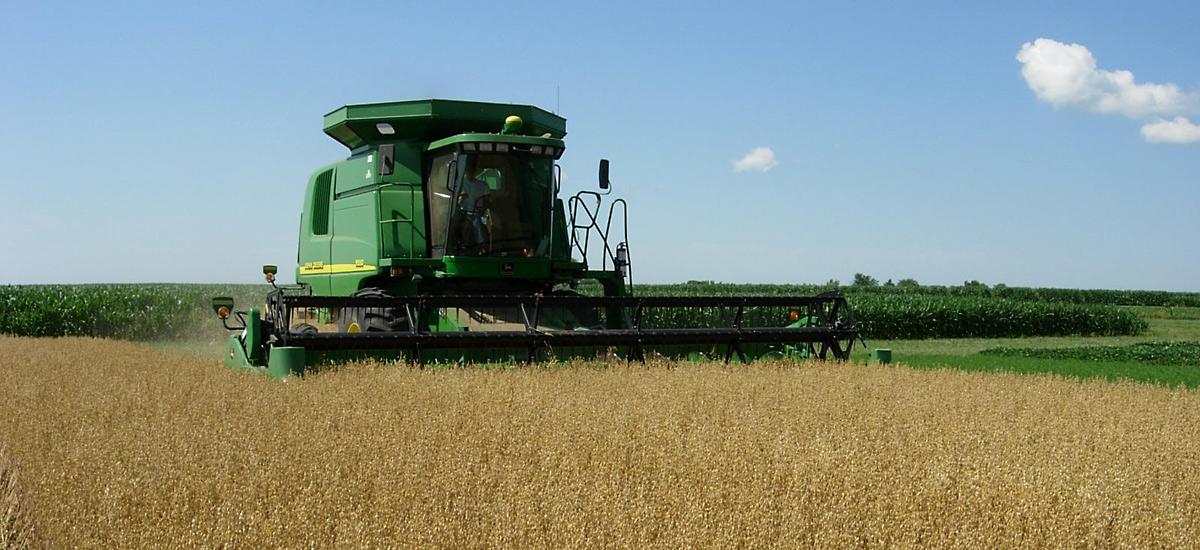
The Importance of Sustainable Farming Practices
Sustainable farming practices have become increasingly crucial in today’s world as we face environmental challenges and the need to ensure food security for future generations. Sustainable farming focuses on maximizing crop yields while minimizing negative impacts on the environment and natural resources. Let’s explore some key aspects of sustainable farming practices:
Crop Rotation
Crop rotation is a fundamental practice in sustainable farming. By rotating crops seasonally, farmers can improve soil health, reduce pests and diseases, and enhance overall crop productivity. This method helps maintain soil fertility and structure, leading to healthier plants and higher yields.
Organic Farming
Organic farming eliminates the use of synthetic pesticides, fertilizers, and genetically modified organisms (GMOs). Instead, organic farmers rely on natural methods such as composting, crop rotation, and biological pest control to maintain soil health and protect biodiversity. Organic farming promotes sustainable agricultural practices that benefit both the environment and human health.
Water Conservation
Water conservation is essential in sustainable farming to ensure efficient use of this precious resource. Techniques such as drip irrigation, rainwater harvesting, and mulching help farmers reduce water waste and preserve water quality. By adopting water-saving practices, farmers can mitigate the impact of droughts and contribute to long-term sustainability.
Agroforestry
Agroforestry integrates trees and shrubs into agricultural landscapes to enhance biodiversity, improve soil quality, and provide additional sources of income for farmers. By planting trees alongside crops or livestock, farmers can create resilient ecosystems that support wildlife habitat, carbon sequestration, and sustainable land management.
Integrated Pest Management (IPM)
Integrated Pest Management (IPM) is a holistic approach to pest control that combines biological, cultural, physical, and chemical methods to manage pests effectively while minimizing environmental impact. By promoting natural predators, using trap crops, and implementing crop diversification strategies, farmers can reduce reliance on harmful pesticides and promote ecological balance.
In conclusion, sustainable farming practices play a vital role in ensuring the long-term viability of agriculture while protecting the environment for future generations. By embracing techniques such as crop rotation, organic farming, water conservation, agroforestry, and integrated pest management, farmers can cultivate healthy soils, resilient ecosystems, and sustainable food systems that benefit both people and the planet.
Top 6 FAQs About Sustainable Farming Practices: Understanding Methods, Examples, and Best Practices
- What are the 7 basic practices of crop production?
- Which farming practice is more sustainable?
- What is a sustainable farming practice?
- What are 5 examples of sustainability?
- What is an example of a sustainable agricultural practice?
- Which would be the best example of sustainable farming?
What are the 7 basic practices of crop production?
In sustainable farming practices, the seven basic practices of crop production encompass a range of techniques aimed at promoting environmental stewardship and long-term agricultural sustainability. These practices typically include crop rotation, which helps maintain soil fertility and reduce pest pressure; cover cropping, which protects soil from erosion and adds organic matter; integrated pest management (IPM), which combines biological, cultural, and chemical methods to manage pests effectively; conservation tillage, which minimizes soil disturbance and promotes soil health; water management strategies to optimize irrigation efficiency and reduce water waste; nutrient management to ensure balanced soil fertility and minimize nutrient runoff; and biodiversity conservation efforts to promote ecosystem resilience and support natural pollinators. By incorporating these fundamental practices into crop production, farmers can enhance productivity while minimizing negative impacts on the environment.
Which farming practice is more sustainable?
When considering which farming practice is more sustainable, it is essential to evaluate various factors such as environmental impact, resource efficiency, and long-term viability. Both organic farming and regenerative agriculture are often cited as sustainable practices, each offering unique benefits. Organic farming focuses on eliminating synthetic inputs and promoting soil health through natural methods, while regenerative agriculture aims to restore and enhance ecosystem functions by improving soil biodiversity and carbon sequestration. Ultimately, the most sustainable farming practice may vary depending on specific contexts and goals, highlighting the importance of adopting a holistic approach that considers the interconnectedness of agricultural systems with the environment.
What is a sustainable farming practice?
A sustainable farming practice refers to agricultural methods that prioritize long-term environmental health, social equity, and economic viability. It involves techniques and approaches that aim to minimize negative impacts on the environment, such as soil degradation, water pollution, and biodiversity loss, while maximizing productivity and resource efficiency. Sustainable farming practices often include crop rotation, organic farming, water conservation, agroforestry, integrated pest management (IPM), and other strategies that promote soil health, biodiversity, and ecosystem resilience. By adopting sustainable farming practices, farmers can ensure the sustainability of their operations for future generations while contributing to a more resilient and environmentally friendly food system.
What are 5 examples of sustainability?
When discussing sustainable farming practices, it is important to consider various examples of sustainability that contribute to the overall health and resilience of agricultural systems. Five key examples include crop rotation, which helps maintain soil fertility and reduce pests; organic farming, which avoids synthetic chemicals and promotes biodiversity; water conservation techniques like drip irrigation to minimize water waste; agroforestry practices that integrate trees for ecosystem health; and integrated pest management strategies that prioritize natural pest control methods. These examples showcase how sustainability in farming involves holistic approaches that benefit both the environment and agricultural productivity in the long term.
What is an example of a sustainable agricultural practice?
An example of a sustainable agricultural practice is crop rotation. Crop rotation involves planting different crops in a specific sequence on the same piece of land over time. This practice helps improve soil health, reduce pests and diseases, and maintain fertility by varying the nutrient needs of each crop. By rotating crops, farmers can enhance soil structure, prevent soil erosion, and minimize the depletion of essential nutrients. Crop rotation is a key strategy in sustainable farming that promotes long-term productivity while preserving the health of the land for future generations.
Which would be the best example of sustainable farming?
When considering the best example of sustainable farming, an integrated approach that combines various practices to promote environmental stewardship, social responsibility, and economic viability stands out. Organic farming methods, such as crop rotation, composting, and biological pest control, exemplify a commitment to soil health and biodiversity conservation. Incorporating agroforestry techniques that integrate trees into agricultural landscapes further enhances sustainability by providing ecosystem services and diversifying income sources. Additionally, adopting water-efficient irrigation systems and implementing integrated pest management strategies contribute to resource conservation and reduced environmental impact. Ultimately, the best example of sustainable farming is a holistic approach that prioritizes long-term resilience and balance between agricultural production and ecological well-being.