The Impact of AI in E-commerce: Revolutionizing the Shopping Experience
Artificial Intelligence (AI) is transforming the e-commerce landscape, reshaping how businesses operate and how consumers shop online. From personalized recommendations to efficient inventory management, AI technologies are enhancing every aspect of the e-commerce experience.
Personalized Shopping Experiences
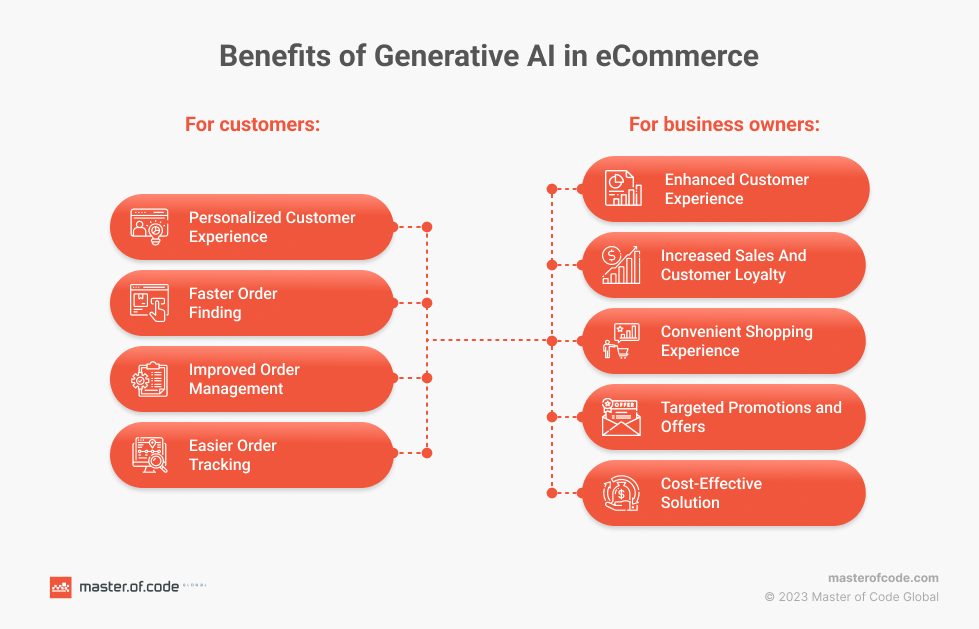
One of the most significant impacts of AI in e-commerce is its ability to provide personalized shopping experiences. By analyzing customer data, such as browsing history and purchase behavior, AI algorithms can offer tailored product recommendations that align with individual preferences. This personalization not only enhances customer satisfaction but also increases conversion rates.
Improved Customer Service with Chatbots
AI-powered chatbots are revolutionizing customer service in e-commerce. These virtual assistants are available 24/7 to answer queries, provide product information, and assist with order tracking. By handling routine inquiries, chatbots free up human agents to focus on more complex issues, improving overall efficiency and customer satisfaction.
Efficient Inventory Management
AI is also optimizing inventory management for e-commerce businesses. Machine learning algorithms can predict demand trends by analyzing historical sales data and external factors such as seasonal changes or market trends. This predictive capability enables businesses to maintain optimal inventory levels, reducing costs associated with overstocking or stockouts.
Enhanced Fraud Detection
E-commerce platforms face significant challenges when it comes to detecting and preventing fraud. AI systems can analyze transaction patterns in real-time to identify suspicious activities and flag potential fraudulent transactions. This proactive approach helps protect both businesses and consumers from financial losses.
Visual Search Capabilities
AI-driven visual search technology allows consumers to search for products using images instead of text-based queries. By leveraging image recognition algorithms, e-commerce platforms can match uploaded photos with similar products in their catalogs. This innovation simplifies the search process, making it more intuitive for users who prefer visual cues over textual descriptions.
The Future of AI in E-commerce
The integration of AI into e-commerce is still evolving, with endless possibilities on the horizon. As technology advances, we can expect even more sophisticated applications that will further enhance efficiency and personalization in online shopping experiences.
E-commerce businesses that embrace AI technologies are better positioned to meet consumer demands and stay competitive in a rapidly changing market landscape. As AI continues to evolve, its role in shaping the future of e-commerce will undoubtedly grow stronger.
Top 5 FAQs About AI Transforming E-commerce: Personalization, Chatbots, Inventory Management, Fraud Detection, and Visual Search
- How does AI personalize the shopping experience in e-commerce?
- What role do chatbots play in customer service for e-commerce businesses?
- How does AI help with inventory management in e-commerce?
- What are the benefits of using AI for fraud detection in e-commerce?
- How does visual search technology powered by AI enhance the shopping experience?
How does AI personalize the shopping experience in e-commerce?
AI personalizes the shopping experience in e-commerce by analyzing vast amounts of customer data to deliver tailored recommendations and interactions. By examining browsing history, purchase patterns, and even real-time behavior on a website, AI algorithms can predict what products a customer might be interested in and suggest them accordingly. This level of personalization extends beyond product recommendations; it includes personalized marketing messages, dynamic pricing strategies, and customized user interfaces that align with individual preferences. As a result, customers enjoy a more engaging and relevant shopping experience, which can lead to increased satisfaction and loyalty.
What role do chatbots play in customer service for e-commerce businesses?
Chatbots play a crucial role in customer service for e-commerce businesses by providing instant and automated assistance to customers. These AI-powered virtual assistants can handle a wide range of customer inquiries, such as product queries, order tracking, and troubleshooting issues, round the clock. By leveraging natural language processing capabilities, chatbots can engage with customers in real-time conversations, offering personalized recommendations and solutions. This not only enhances the overall shopping experience but also helps businesses streamline their customer service operations and improve efficiency. Chatbots serve as valuable tools for e-commerce businesses to deliver prompt and consistent support to their customers while reducing the workload on human agents.
How does AI help with inventory management in e-commerce?
AI significantly enhances inventory management in e-commerce by utilizing machine learning algorithms to analyze historical sales data, market trends, and other external factors. This analysis allows AI systems to accurately predict demand for various products, enabling businesses to optimize their stock levels. By forecasting which items are likely to sell and in what quantities, AI helps prevent overstocking and stockouts, reducing storage costs and ensuring that popular products are always available for customers. Additionally, AI can automate the reordering process by triggering purchase orders when inventory levels fall below a certain threshold, further streamlining operations and improving efficiency.
What are the benefits of using AI for fraud detection in e-commerce?
AI offers significant benefits for fraud detection in e-commerce by enhancing the ability to identify and prevent fraudulent activities in real-time. Utilizing machine learning algorithms, AI can analyze vast amounts of transaction data to recognize patterns and detect anomalies that may indicate fraud. This proactive approach allows e-commerce platforms to flag suspicious transactions before they are processed, reducing the risk of financial loss for both businesses and consumers. Additionally, AI systems continuously learn and adapt to new fraud tactics, improving their accuracy over time. By automating the detection process, AI reduces the need for manual oversight, allowing human resources to focus on more complex cases and strategic decision-making. Overall, AI enhances security measures while providing a seamless shopping experience for legitimate customers.
How does visual search technology powered by AI enhance the shopping experience?
Visual search technology powered by AI significantly enhances the shopping experience by allowing consumers to search for products using images rather than text. This intuitive approach simplifies the process of finding items, especially when users are unsure of the exact terms to describe what they are looking for. By leveraging advanced image recognition algorithms, AI can match uploaded photos with similar products in an e-commerce platform’s catalog, providing instant results that closely align with the user’s visual input. This capability not only makes the search process more efficient but also opens up new possibilities for discovering products that might have been overlooked through traditional text-based searches. As a result, visual search technology offers a more engaging and personalized shopping journey, ultimately leading to higher customer satisfaction and increased sales for retailers.