Artificial Intelligence in E-Commerce: Revolutionizing the Shopping Experience
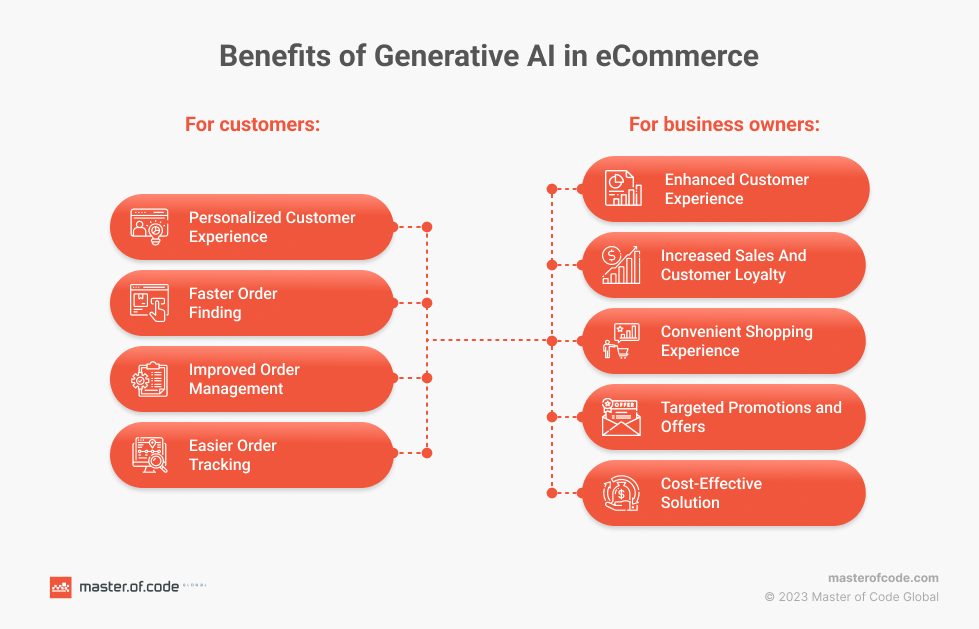
In recent years, artificial intelligence (AI) has become a transformative force in the e-commerce industry. By leveraging AI technologies, online retailers are enhancing customer experiences, optimizing operations, and driving sales growth. This article explores how AI is reshaping the e-commerce landscape and what it means for businesses and consumers alike.
Personalized Shopping Experiences
One of the most significant impacts of AI in e-commerce is its ability to deliver personalized shopping experiences. Through machine learning algorithms and data analytics, AI can analyze customer behavior, preferences, and purchase history to offer tailored product recommendations. This level of personalization not only improves customer satisfaction but also increases conversion rates.
Chatbots and Virtual Assistants
AI-powered chatbots and virtual assistants are revolutionizing customer service in e-commerce. These tools provide instant support and assistance to shoppers 24/7, answering queries, resolving issues, and even helping with product selection. By automating routine interactions, businesses can reduce operational costs while maintaining high levels of customer engagement.
Inventory Management and Demand Forecasting
E-commerce businesses face constant challenges in managing inventory efficiently. AI solutions help by predicting demand trends based on historical data and real-time analytics. This enables retailers to optimize stock levels, minimize overstock or stockouts, and ensure that popular products are always available for customers.
Visual Search Capabilities
AI-driven visual search technology allows customers to search for products using images instead of text-based queries. By analyzing visual elements such as color, shape, and patterns, AI can identify similar items within a retailer’s catalog. This feature enhances user experience by making it easier for shoppers to find exactly what they are looking for.
Fraud Detection and Security
The rise of online shopping has also led to increased concerns about security and fraud. AI plays a crucial role in safeguarding e-commerce platforms by detecting suspicious activities and transactions in real-time. Machine learning models can identify anomalies that may indicate fraudulent behavior, helping businesses protect themselves and their customers from potential threats.
The Future of AI in E-Commerce
The integration of artificial intelligence into e-commerce is still evolving. As technology advances, we can expect even more sophisticated applications that will further enhance the shopping experience. From augmented reality fitting rooms to voice-activated purchasing systems, the possibilities are endless.
For businesses looking to stay competitive in this dynamic industry, embracing AI technologies is no longer optional—it is essential. By harnessing the power of artificial intelligence, retailers can not only meet but exceed customer expectations while driving growth and innovation.
7 Ways to Boost E-Commerce Success with Artificial Intelligence
- Utilize AI-powered chatbots for customer service to provide instant assistance.
- Implement personalized product recommendations based on customer browsing and purchase history.
- Use AI algorithms to analyze customer data and predict future buying behavior.
- Optimize pricing strategies with dynamic pricing powered by AI to stay competitive.
- Employ AI for inventory management to ensure stock availability and prevent overstocking or stockouts.
- Utilize AI for fraud detection to enhance security measures and protect against online payment fraud.
- Implement visual search capabilities using AI technology for an enhanced shopping experience.
Utilize AI-powered chatbots for customer service to provide instant assistance.
By incorporating AI-powered chatbots into their customer service strategy, e-commerce businesses can offer immediate assistance to shoppers, enhancing the overall shopping experience. These chatbots leverage artificial intelligence to provide real-time support, answer queries, and guide customers through their purchasing journey. By utilizing this technology, businesses can streamline customer interactions, improve response times, and ensure that customers receive prompt assistance whenever they need it.
Implement personalized product recommendations based on customer browsing and purchase history.
Implementing personalized product recommendations based on customer browsing and purchase history can significantly enhance the shopping experience in e-commerce. By utilizing artificial intelligence algorithms, businesses can analyze data to understand individual customer preferences and behaviors. This allows retailers to offer tailored suggestions that align with each shopper’s unique tastes and needs. Personalized recommendations not only increase the likelihood of conversion by showcasing relevant products but also boost customer satisfaction by making the shopping process more intuitive and enjoyable. Ultimately, this approach fosters greater customer loyalty and can lead to increased sales, as customers are more likely to return to a platform that understands and anticipates their needs.
Use AI algorithms to analyze customer data and predict future buying behavior.
In the rapidly evolving world of e-commerce, leveraging AI algorithms to analyze customer data and predict future buying behavior is a game-changer for businesses. By examining patterns in purchase history, browsing habits, and even social media interactions, AI can generate insights into what products customers are likely to buy next. This predictive capability allows retailers to tailor marketing strategies, personalize recommendations, and optimize inventory management. As a result, businesses can enhance customer satisfaction by offering relevant products at the right time while also increasing sales efficiency. Implementing AI-driven analytics not only provides a competitive edge but also fosters a deeper understanding of customer needs and preferences.
Optimize pricing strategies with dynamic pricing powered by AI to stay competitive.
In the fast-paced world of e-commerce, staying competitive often hinges on effective pricing strategies. Dynamic pricing, powered by artificial intelligence, offers a cutting-edge solution for retailers looking to optimize their pricing models. By analyzing vast amounts of data in real-time—including competitor prices, market demand, and customer behavior—AI algorithms can adjust prices dynamically to maximize sales and profit margins. This approach allows businesses to respond swiftly to market changes and consumer trends, ensuring they remain competitive without sacrificing profitability. Implementing AI-driven dynamic pricing not only enhances revenue potential but also improves customer satisfaction by offering fair and timely price adjustments.
Employ AI for inventory management to ensure stock availability and prevent overstocking or stockouts.
Incorporating AI into inventory management systems is a game-changer for e-commerce businesses aiming to maintain optimal stock levels. By utilizing machine learning algorithms and data analytics, AI can accurately predict demand patterns and adjust inventory accordingly. This proactive approach helps ensure that popular products are always available, enhancing customer satisfaction by reducing the likelihood of stockouts. Simultaneously, AI minimizes the risk of overstocking, which can tie up capital and lead to increased storage costs. By balancing supply with anticipated demand, businesses not only streamline operations but also improve profitability and efficiency in their supply chains.
Utilize AI for fraud detection to enhance security measures and protect against online payment fraud.
In the rapidly evolving world of e-commerce, ensuring the security of online transactions is paramount. Utilizing AI for fraud detection has become a crucial strategy for enhancing security measures and protecting against online payment fraud. AI systems can analyze vast amounts of transaction data in real time, identifying patterns and anomalies that may indicate fraudulent activity. By employing machine learning algorithms, these systems continuously learn and adapt to new threats, providing an ever-evolving defense against cybercriminals. This proactive approach not only helps safeguard businesses from financial losses but also builds trust with customers by ensuring their sensitive information is protected during online transactions.
Implement visual search capabilities using AI technology for an enhanced shopping experience.
Implementing visual search capabilities using AI technology can significantly enhance the shopping experience by allowing customers to find products more intuitively and efficiently. Instead of relying solely on text-based queries, shoppers can upload images or use their device’s camera to search for items that match the visual characteristics they are interested in, such as color, shape, or design patterns. This technology leverages advanced image recognition algorithms to analyze and compare visual elements, making it easier for consumers to discover products that align with their preferences. By offering a more interactive and engaging way to browse and shop, retailers can improve customer satisfaction, increase conversion rates, and gain a competitive edge in the e-commerce market.