The Role of AI in Transforming E-Commerce
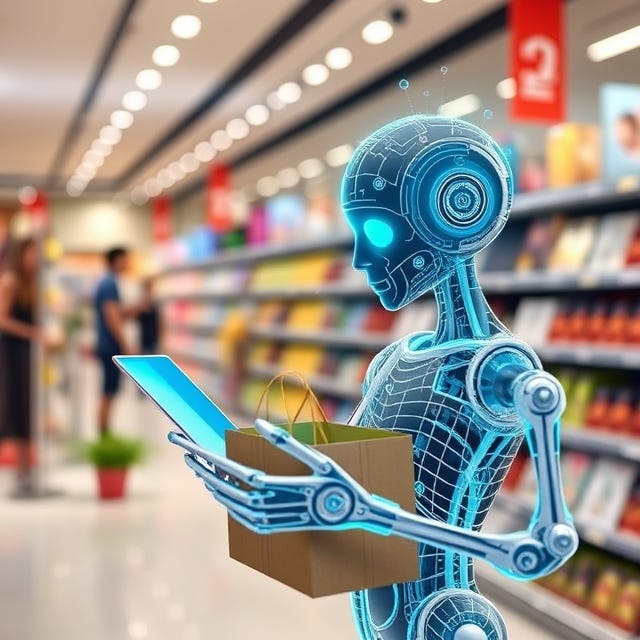
Artificial Intelligence (AI) is revolutionizing the e-commerce industry by enhancing customer experiences, optimizing operations, and driving sales growth. As businesses continue to embrace digital transformation, AI technologies are becoming integral to maintaining a competitive edge in the marketplace.
Enhancing Customer Experience
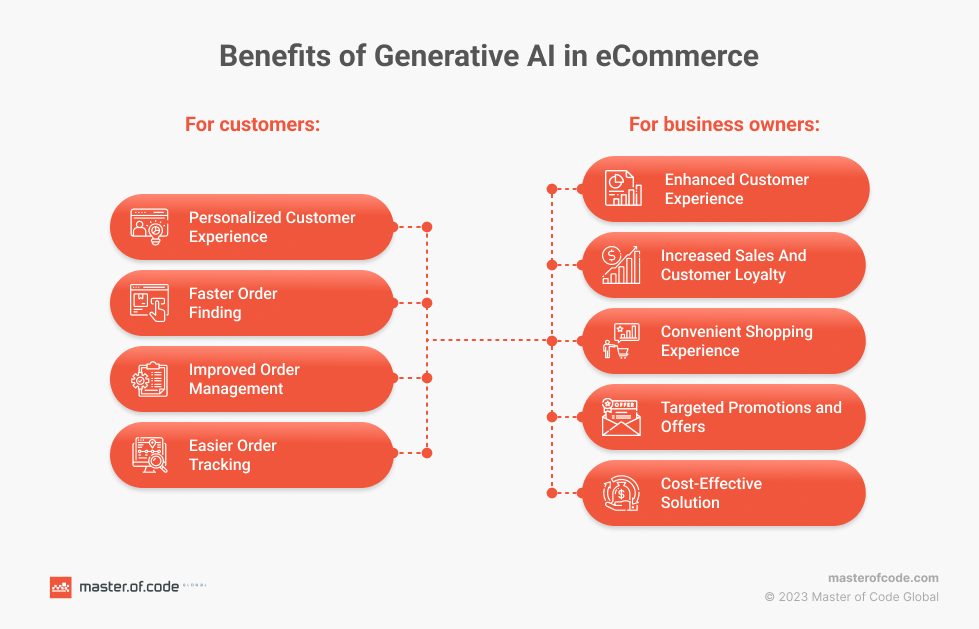
One of the most significant impacts of AI in e-commerce is its ability to personalize the shopping experience. By analyzing vast amounts of data, AI algorithms can predict customer preferences and tailor product recommendations accordingly. This personalization not only improves customer satisfaction but also increases conversion rates.
Chatbots powered by AI are another tool that enhances customer service. These virtual assistants provide instant responses to inquiries, helping customers find products or resolve issues without human intervention. This 24/7 support improves user experience and frees up human resources for more complex tasks.
Optimizing Operations
AI is streamlining e-commerce operations by automating various processes. Inventory management systems use AI to predict demand patterns, ensuring that stock levels are optimized and reducing the risk of overstocking or stockouts. This leads to more efficient supply chain management and cost savings.
Additionally, AI-driven analytics provide insights into consumer behavior, enabling businesses to make data-driven decisions regarding marketing strategies, pricing models, and product development.
Driving Sales Growth
E-commerce platforms leverage AI for dynamic pricing strategies that adjust prices based on demand fluctuations, competitor pricing, and other market factors. This flexibility helps maximize profit margins while remaining competitive in the market.
AI also plays a crucial role in fraud detection by identifying unusual patterns in transaction data that may indicate fraudulent activity. By mitigating fraud risks, businesses can protect their revenue streams and build trust with customers.
The Future of AI in E-Commerce
The potential applications of AI in e-commerce continue to expand as technology advances. From virtual try-ons using augmented reality (AR) to voice-activated shopping assistants like smart speakers, the future promises even more innovative ways for consumers to engage with brands online.
As businesses invest more in AI solutions, they will be better equipped to meet evolving consumer demands and navigate an increasingly digital landscape. The integration of AI into e-commerce is not just a trend; it is a fundamental shift that will shape the industry’s future.
Conclusion
The adoption of AI in e-commerce is transforming how businesses operate and interact with customers. By leveraging these technologies effectively, companies can enhance user experiences, streamline operations, drive sales growth—and ultimately achieve long-term success in today’s competitive market.
5 Essential AI Strategies to Revolutionize Your E-Commerce Business
- Utilize AI-powered recommendation engines to suggest personalized products to customers.
- Implement chatbots powered by AI to provide instant customer support and assistance.
- Use AI for dynamic pricing strategies based on market demand and competitor pricing.
- Employ AI for predictive analytics to forecast customer behavior and optimize inventory management.
- Utilize natural language processing (NLP) for sentiment analysis of customer reviews to improve product offerings.
Utilize AI-powered recommendation engines to suggest personalized products to customers.
AI-powered recommendation engines are a game-changer in the e-commerce landscape, offering businesses the ability to provide highly personalized shopping experiences for their customers. By analyzing data such as browsing history, past purchases, and customer preferences, these engines can suggest products that are tailored to individual tastes and needs. This level of personalization not only enhances customer satisfaction but also increases the likelihood of conversion by presenting shoppers with items they are more likely to purchase. Furthermore, AI-driven recommendations can help businesses increase average order value and foster customer loyalty by making each interaction more relevant and engaging. As a result, implementing AI-powered recommendation systems is an effective strategy for e-commerce platforms looking to boost sales and improve customer retention.
Implement chatbots powered by AI to provide instant customer support and assistance.
Implementing chatbots powered by AI in e-commerce can significantly enhance customer support and assistance by providing instant, round-the-clock service. These intelligent virtual assistants are capable of handling a wide range of inquiries, from answering product questions to resolving order issues, all without the need for human intervention. By utilizing natural language processing and machine learning algorithms, AI chatbots understand and respond to customer queries in a conversational manner, creating a seamless user experience. This not only improves customer satisfaction by reducing wait times but also allows businesses to allocate human resources to more complex tasks, ultimately increasing efficiency and productivity. As a result, AI-powered chatbots are becoming an essential tool for e-commerce platforms looking to deliver exceptional service and maintain a competitive edge in the market.
Use AI for dynamic pricing strategies based on market demand and competitor pricing.
Incorporating AI for dynamic pricing strategies in e-commerce allows businesses to optimize their pricing models by analyzing real-time market demand and competitor pricing. This advanced approach enables companies to adjust prices dynamically, ensuring they remain competitive while maximizing profit margins. By leveraging AI algorithms, businesses can respond swiftly to market fluctuations, offering customers the best possible prices without sacrificing profitability. This not only enhances the customer experience by providing fair and attractive pricing but also helps retailers maintain a strategic edge in a rapidly changing marketplace. Through continuous learning and adaptation, AI-driven dynamic pricing ensures that businesses can effectively balance supply and demand, ultimately driving sales growth and increasing customer loyalty.
Employ AI for predictive analytics to forecast customer behavior and optimize inventory management.
In the rapidly evolving e-commerce landscape, employing AI for predictive analytics is a game-changer for businesses looking to forecast customer behavior and optimize inventory management. By analyzing historical data and identifying patterns, AI algorithms can accurately predict future purchasing trends and consumer preferences. This insight allows businesses to anticipate demand more effectively, ensuring that popular products are always in stock while minimizing excess inventory of less sought-after items. As a result, companies can reduce storage costs, improve cash flow, and enhance customer satisfaction by consistently meeting consumer needs. The strategic use of AI-driven predictive analytics empowers e-commerce businesses to make informed decisions that drive efficiency and profitability.
Utilize natural language processing (NLP) for sentiment analysis of customer reviews to improve product offerings.
By utilizing natural language processing (NLP) for sentiment analysis of customer reviews in e-commerce, businesses can gain valuable insights into customer preferences and feedback. NLP algorithms can analyze the tone and context of reviews to understand customer sentiments towards products, identifying areas for improvement and innovation. By incorporating sentiment analysis into product development strategies, companies can tailor their offerings to better meet customer needs and expectations, ultimately enhancing the overall shopping experience and driving increased sales.