The Rise of AI in Medical Diagnosis
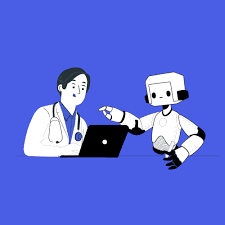
In recent years, artificial intelligence (AI) has made significant strides in various industries, with healthcare being one of the most promising fields for its application. AI diagnosis refers to the use of machine learning algorithms and data analysis techniques to assist healthcare professionals in diagnosing diseases more accurately and efficiently.
How AI is Transforming Diagnosis
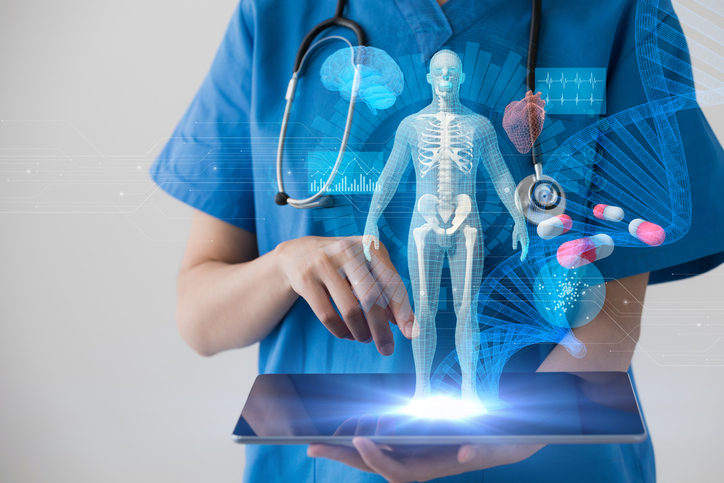
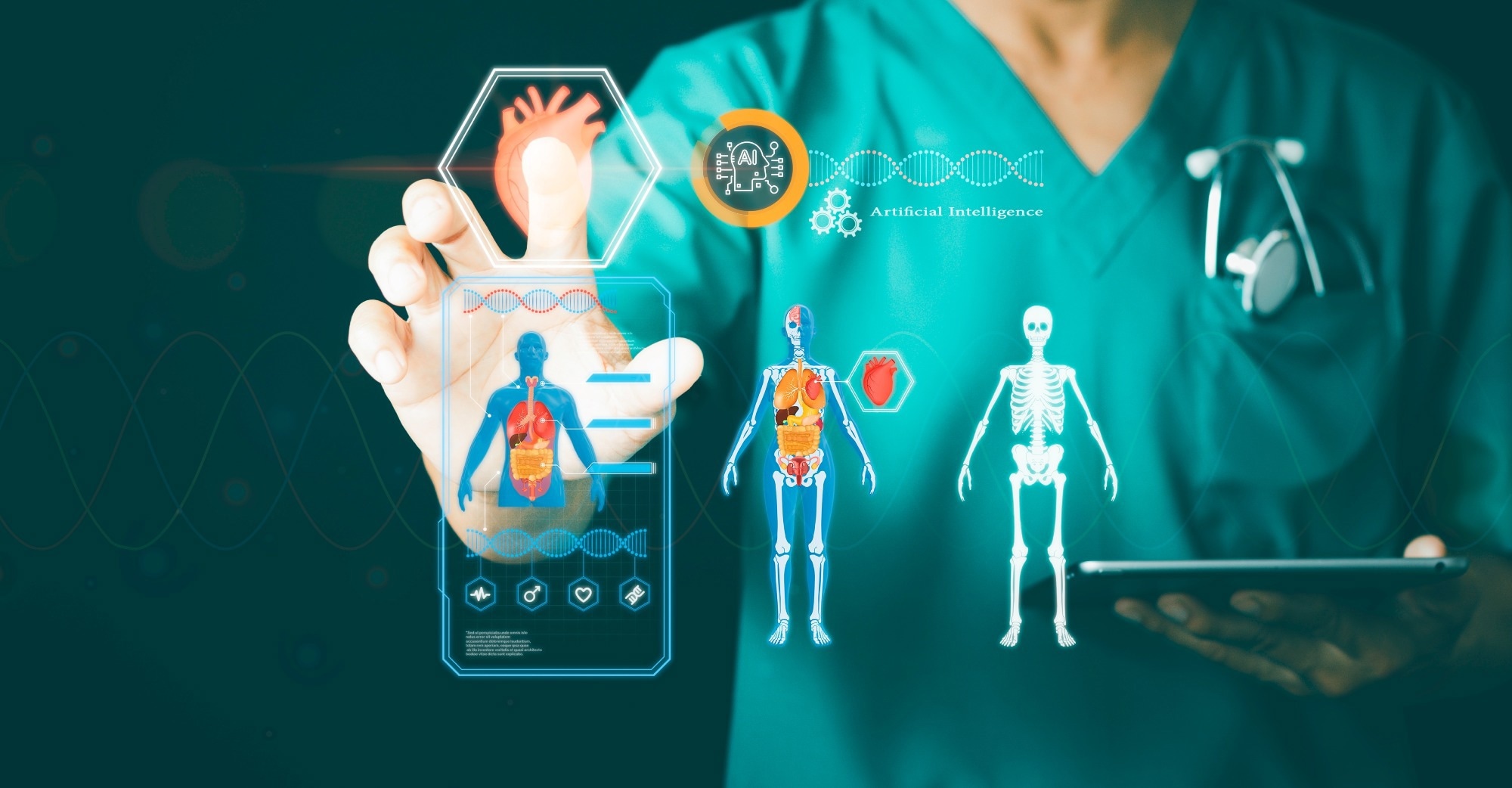
AI systems are designed to process vast amounts of medical data, including patient records, lab results, and imaging scans. By analyzing this data, AI can identify patterns and correlations that might be overlooked by human practitioners. These systems can provide diagnostic suggestions or highlight areas that require further investigation.
Key Areas of Impact
- Medical Imaging: AI algorithms excel at interpreting medical images such as X-rays, MRIs, and CT scans. They can detect anomalies with high precision, often matching or surpassing the accuracy of experienced radiologists.
- Pathology: In pathology, AI aids in examining tissue samples for signs of disease. Machine learning models can identify cancerous cells more quickly than traditional methods.
- Predictive Analytics: AI is used to predict patient outcomes by analyzing historical data. This helps doctors anticipate complications and tailor treatment plans accordingly.
The Benefits of AI Diagnosis
The integration of AI into diagnostic processes offers several advantages:
- Improved Accuracy: By reducing human error and providing a second opinion, AI enhances diagnostic accuracy.
- Efficiency: Automated analysis speeds up the diagnostic process, allowing healthcare providers to make quicker decisions.
- Cost Reduction: Early detection and precise diagnostics can lead to more effective treatments and reduced healthcare costs over time.
Challenges and Considerations
Despite its potential benefits, the adoption of AI in diagnosis comes with challenges. Data privacy concerns are paramount as sensitive patient information is processed by these systems. Additionally, there is a need for rigorous validation to ensure that AI tools are reliable across diverse populations.
The role of physicians remains crucial; while AI provides valuable support, clinical judgment is essential for interpreting results within the context of each patient’s unique circumstances.
The Future Outlook
The future of AI diagnosis looks promising as technology continues to advance. Ongoing research aims to refine these tools further, making them more accessible globally. As collaboration between technologists and healthcare professionals deepens, the potential for improving patient outcomes through AI becomes increasingly achievable.
The integration of artificial intelligence into medical diagnostics marks a transformative shift in how diseases are detected and managed. With careful implementation and ethical considerations at the forefront, AI has the capacity to revolutionize healthcare delivery worldwide.
Understanding AI Diagnosis: Key Questions and Answers
- What exactly AI means?
- What diseases can be detected by AI?
- Can ChatGPT do a medical diagnosis?
- Is AI diagnosis better than doctors?
- How accurate is AI diagnosis?
- What is AI in medical diagnosis?
What exactly AI means?
Artificial Intelligence (AI) refers to the development of computer systems that can perform tasks typically requiring human intelligence. These tasks include learning from data, recognizing patterns, solving problems, and making decisions. In the context of AI diagnosis, AI utilizes machine learning algorithms and data analysis to assist healthcare professionals in identifying diseases more accurately and efficiently. By processing large volumes of medical data—such as patient histories, imaging scans, and lab results—AI can uncover insights that might not be immediately apparent to human practitioners. This capability allows AI systems to provide diagnostic suggestions or highlight areas for further evaluation, ultimately supporting doctors in delivering better patient care.
What diseases can be detected by AI?
AI technology has made significant advancements in detecting a wide range of diseases across various medical fields. In radiology, AI algorithms are used to identify abnormalities in medical images, enabling the early detection of conditions such as lung cancer, breast cancer, and brain tumors. In cardiology, AI can analyze electrocardiograms (ECGs) to detect arrhythmias and other heart-related issues. Dermatology benefits from AI’s ability to assess skin lesions for signs of melanoma and other skin cancers. Additionally, AI is being utilized in ophthalmology to screen for diabetic retinopathy by analyzing retinal images. Beyond these areas, AI is also being explored for its potential to aid in diagnosing neurological disorders like Alzheimer’s disease by analyzing patterns in brain scans and patient data. As AI technology continues to evolve, its capacity to detect a broader spectrum of diseases is expected to expand further, enhancing early diagnosis and improving patient outcomes.
Can ChatGPT do a medical diagnosis?
ChatGPT, while a powerful language model developed by OpenAI, is not designed or authorized to perform medical diagnoses. It can provide general information on medical topics and help answer questions based on the data it was trained on, but it lacks the ability to analyze individual patient data or symptoms with the precision and expertise required for a diagnosis. Medical diagnosis involves complex clinical evaluations, often requiring physical examinations, lab tests, and professional judgment that only licensed healthcare providers can offer. Therefore, while ChatGPT can be a helpful tool for obtaining information or understanding medical concepts better, it should not be relied upon for making health-related decisions or diagnosing medical conditions. For any concerns about health or symptoms, consulting a qualified healthcare professional is essential.
Is AI diagnosis better than doctors?
The question of whether AI diagnosis is better than doctors is complex and depends on various factors. AI systems excel at processing large volumes of data quickly and identifying patterns that might be missed by the human eye, particularly in areas like medical imaging and pathology. They can enhance diagnostic accuracy by providing a second opinion or highlighting potential issues for further investigation. However, AI lacks the nuanced understanding of patient history, context, and emotional intelligence that human doctors possess. While AI can significantly aid in diagnosis, it is most effective when used as a complementary tool alongside healthcare professionals rather than as a replacement. The collaboration between AI and doctors can lead to more accurate diagnoses and better patient outcomes than either could achieve alone.
How accurate is AI diagnosis?
The accuracy of AI diagnosis has shown significant promise, with many AI systems achieving accuracy rates comparable to, and sometimes exceeding, those of experienced medical professionals. In fields such as medical imaging, AI algorithms have demonstrated high precision in detecting anomalies in X-rays, MRIs, and CT scans. For instance, studies have found that AI can match or surpass the diagnostic capabilities of radiologists in identifying certain conditions like pneumonia or breast cancer. However, the accuracy of AI diagnosis can vary depending on the quality and quantity of data it is trained on, as well as the specific algorithms used. While AI provides valuable support in diagnosing diseases, it is crucial for these systems to be used in conjunction with clinical expertise to ensure comprehensive and accurate patient care. Continuous validation and updates are necessary to maintain high standards of accuracy across diverse patient populations.
What is AI in medical diagnosis?
AI in medical diagnosis refers to the application of artificial intelligence technologies, such as machine learning algorithms and data analysis techniques, in the field of healthcare to assist in diagnosing diseases. By leveraging AI, healthcare professionals can analyze vast amounts of medical data, including patient records, imaging scans, and lab results, to identify patterns and correlations that may not be readily apparent to human practitioners. This advanced technology enhances diagnostic accuracy, speeds up the diagnostic process, and ultimately improves patient outcomes by providing valuable insights and recommendations for treatment.