Artificial Intelligence in Medicine: Transforming Healthcare
Artificial Intelligence (AI) is revolutionizing various industries, and healthcare is no exception. With the ability to analyze vast amounts of data quickly and accurately, AI is transforming the way medical professionals diagnose diseases, develop treatments, and manage patient care.
The Role of AI in Diagnosis
One of the most promising applications of AI in medicine is in the field of diagnostics. Machine learning algorithms can analyze medical images such as X-rays, MRIs, and CT scans with remarkable precision. For instance, AI systems have been developed to detect early signs of diseases like cancer or Alzheimer’s by identifying patterns that might be missed by the human eye.
Moreover, AI-powered diagnostic tools can process a patient’s medical history alongside current symptoms to suggest potential diagnoses. This capability not only saves time but also increases the accuracy of diagnoses, leading to better patient outcomes.
Treatment Development and Personalized Medicine
AI is also playing a crucial role in drug discovery and development. By analyzing biological data, AI can identify potential drug candidates much faster than traditional methods. This accelerates the process of bringing new medications to market, potentially saving millions of lives.
Additionally, AI facilitates personalized medicine by tailoring treatments to individual patients based on their genetic makeup and lifestyle factors. This personalized approach ensures that patients receive the most effective therapies with minimal side effects.
Enhancing Patient Care
In hospitals and clinics, AI systems are improving patient care through efficient management systems. Chatbots powered by AI assist patients by answering queries and scheduling appointments. Furthermore, predictive analytics can help healthcare providers anticipate patient needs and allocate resources more effectively.
Challenges and Ethical Considerations
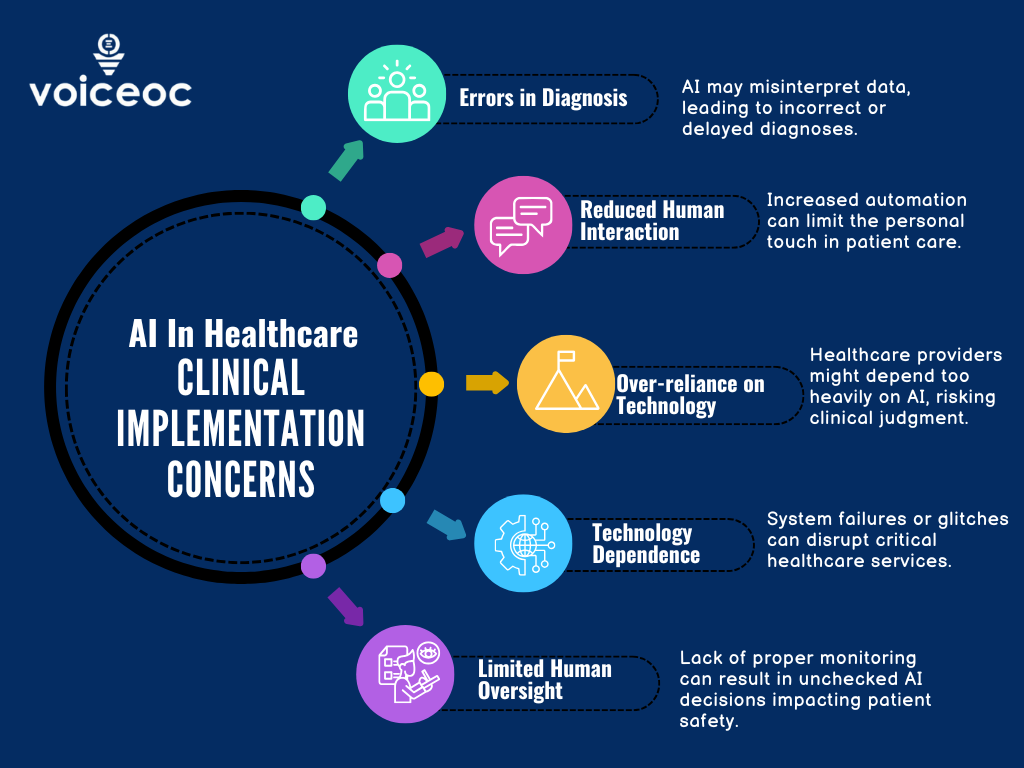
Despite its potential benefits, the integration of AI in medicine comes with challenges. Data privacy concerns are paramount as sensitive health information must be protected from unauthorized access. Additionally, there is a need for stringent regulations to ensure that AI systems are safe and reliable.
The ethical implications of using AI in decision-making processes must also be considered. Ensuring transparency in how algorithms make decisions is crucial for maintaining trust between patients and healthcare providers.
The Future of AI in Medicine
The future looks promising for AI in medicine as technology continues to advance. Ongoing research aims to further enhance the capabilities of AI systems while addressing existing challenges. As these technologies evolve, they hold the potential to significantly improve healthcare delivery worldwide.
By embracing artificial intelligence responsibly, we can look forward to a future where healthcare is more efficient, accurate, and accessible for all.
Exploring the Role and Future of Artificial Intelligence in Medicine: Key Questions Answered
- Which 3 jobs will survive AI?
- How is AI being used in medicine?
- Which country is no. 1 in medicine?
- How is artificial intelligence used in medicine?
- What is the future of AI in medicine?
- What is an example of artificial intelligence in medicine?
- What does artificial intelligence do in healthcare?
Which 3 jobs will survive AI?
In the evolving landscape of artificial intelligence in medicine, certain jobs are expected to endure and even thrive alongside AI advancements. First, healthcare professionals who provide direct patient care, such as nurses and physicians, will continue to be essential. Their ability to offer empathetic, personalized interactions and make complex decisions based on nuanced patient needs cannot be easily replicated by AI. Second, medical researchers who focus on developing new treatments and understanding diseases will remain crucial, as they drive innovation and apply AI tools to accelerate discoveries. Lastly, healthcare technology specialists who design, implement, and maintain AI systems will be increasingly important. Their expertise ensures that AI technologies are integrated seamlessly into healthcare settings while addressing ethical considerations and maintaining data security. These roles highlight the ongoing need for human skills in empathy, creativity, and technical expertise in the age of AI.
How is AI being used in medicine?
Artificial Intelligence (AI) is being utilized in medicine to enhance various aspects of healthcare, from diagnostics to treatment and patient management. In diagnostics, AI algorithms analyze medical images such as X-rays, MRIs, and CT scans with high accuracy, aiding in the early detection of diseases like cancer. AI also plays a pivotal role in drug discovery by processing vast datasets to identify potential drug candidates more efficiently than traditional methods. Additionally, AI supports personalized medicine by tailoring treatments based on an individual’s genetic profile and lifestyle, ensuring optimal efficacy with minimal side effects. In patient care, AI-powered tools assist with administrative tasks like scheduling and answering patient queries through chatbots, while predictive analytics help healthcare providers anticipate patient needs and allocate resources effectively. Overall, AI is streamlining processes and improving outcomes across the healthcare spectrum.
Which country is no. 1 in medicine?
The question of which country ranks number one in medicine is complex and multifaceted. The quality of healthcare systems varies significantly across countries, with factors such as access to care, medical research and innovation, healthcare infrastructure, and overall health outcomes all playing a role in determining a country’s standing in the field of medicine. While some countries may excel in certain areas of healthcare, there is no single definitive answer to identify a sole “number one” country in medicine. Each nation has its strengths and challenges in providing healthcare services to its population, making it essential to consider a range of factors when evaluating the effectiveness and success of a country’s medical system.
How is artificial intelligence used in medicine?
Artificial intelligence is used in medicine to enhance various aspects of healthcare, from diagnostics to treatment planning and patient care. AI algorithms can analyze complex medical data, such as imaging scans and laboratory results, with high accuracy and speed, aiding physicians in diagnosing conditions like cancer or cardiovascular diseases earlier and more precisely. In treatment development, AI accelerates drug discovery by identifying potential compounds and predicting their effects on the human body, thereby reducing the time required to bring new medications to market. Furthermore, AI supports personalized medicine by tailoring treatments based on individual patient profiles, including genetic information and lifestyle factors. In clinical settings, AI-driven tools assist with administrative tasks, optimize resource allocation, and improve patient engagement through virtual health assistants and chatbots. Overall, AI is transforming medicine by improving diagnostic accuracy, streamlining operations, and enabling more personalized patient care.
What is the future of AI in medicine?
The future of AI in medicine is poised to be transformative, with advancements promising to enhance every aspect of healthcare. As AI technologies continue to evolve, they are expected to play a crucial role in predictive analytics, enabling early detection and prevention of diseases before they become critical. Personalized medicine will become more prevalent as AI systems analyze genetic and lifestyle data to tailor treatments specifically for individual patients, improving outcomes and reducing side effects. Additionally, AI-driven robotic systems could revolutionize surgical procedures by providing unprecedented precision and reducing recovery times. However, alongside these technological advancements, there will be a need for robust ethical frameworks and regulations to ensure patient privacy and safety. Overall, the integration of AI into medicine holds the potential to make healthcare more efficient, accessible, and effective for everyone.
What is an example of artificial intelligence in medicine?
One notable example of artificial intelligence in medicine is the use of AI-powered imaging tools for diagnosing diseases. For instance, AI algorithms are now being employed to analyze medical images such as X-rays, MRIs, and CT scans with high accuracy. These advanced systems can detect abnormalities and early signs of conditions like cancer or neurological disorders that might be overlooked by human radiologists. By identifying patterns and anomalies in the images, AI can assist doctors in making more accurate diagnoses, ultimately leading to earlier interventions and improved patient outcomes. This application not only enhances diagnostic precision but also helps streamline the workflow in medical facilities by reducing the time required for image analysis.
What does artificial intelligence do in healthcare?
Artificial intelligence in healthcare serves multiple roles, enhancing the efficiency and effectiveness of medical services. It assists in diagnosing diseases by analyzing medical data and images with high precision, often identifying conditions that might be missed by human practitioners. AI also plays a crucial role in personalized medicine, tailoring treatment plans to individual patients based on their genetic information and medical histories. Additionally, AI streamlines administrative processes, such as scheduling and patient management, freeing up valuable time for healthcare providers to focus on patient care. Furthermore, it aids in drug discovery by rapidly analyzing biological data to identify potential new treatments. Overall, AI is transforming healthcare by improving diagnostic accuracy, personalizing treatment approaches, and optimizing operational efficiencies.