AI in Medicine: Transforming Healthcare for the Future
Artificial Intelligence (AI) is revolutionizing various industries, and healthcare is no exception. The integration of AI in medicine is reshaping how medical professionals diagnose, treat, and manage patient care. From enhancing diagnostic accuracy to personalizing treatment plans, AI offers numerous benefits that are transforming healthcare.
Enhancing Diagnostic Accuracy
One of the most significant contributions of AI in medicine is its ability to improve diagnostic accuracy. Machine learning algorithms can analyze medical images such as X-rays, MRIs, and CT scans with remarkable precision. These AI systems can detect anomalies that might be missed by the human eye, leading to earlier and more accurate diagnoses.
For instance, AI programs have been developed to identify early signs of diseases like cancer or diabetic retinopathy. By analyzing patterns in imaging data, these systems assist radiologists and other specialists in making informed decisions quickly and accurately.
Personalized Treatment Plans
Another area where AI is making a significant impact is in the development of personalized treatment plans. By analyzing vast amounts of patient data—including genetic information, lifestyle factors, and medical history—AI can help tailor treatments to individual patients.
This personalized approach not only improves treatment outcomes but also reduces the likelihood of adverse reactions. For example, AI-driven platforms can predict how a patient might respond to a particular medication based on their genetic makeup, enabling healthcare providers to choose the most effective therapy with minimal side effects.
Streamlining Administrative Tasks
In addition to clinical applications, AI is also streamlining administrative tasks within healthcare settings. Automated systems powered by AI can handle routine tasks such as scheduling appointments, managing patient records, and processing insurance claims more efficiently than traditional methods.
This automation frees up valuable time for healthcare professionals, allowing them to focus more on patient care rather than paperwork. As a result, hospitals and clinics can operate more efficiently while improving the overall patient experience.
The Future of AI in Medicine
The potential for AI in medicine is vast and continues to grow as technology advances. Researchers are exploring new applications such as predictive analytics for disease outbreaks and robotic-assisted surgeries that enhance precision during operations.
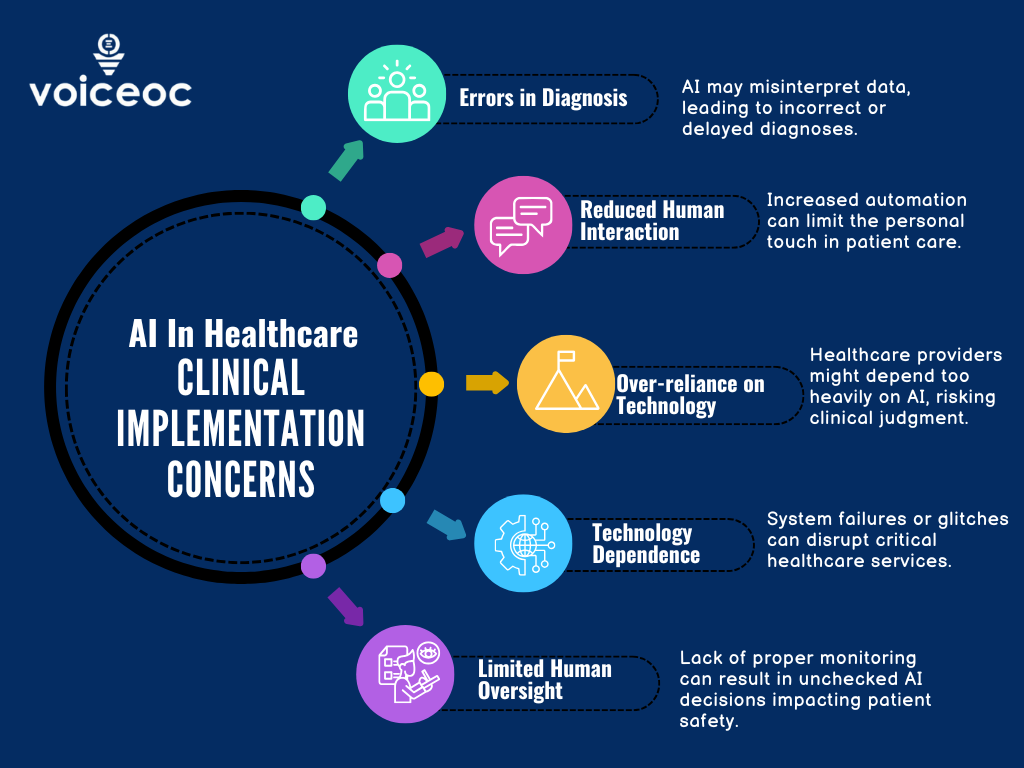
However, integrating AI into healthcare also presents challenges that need addressing. Ensuring data privacy and security remains paramount as sensitive health information becomes increasingly digitized. Additionally, there must be ongoing collaboration between technologists and medical professionals to ensure ethical considerations are met while developing new AI solutions.
Conclusion
The integration of artificial intelligence into medicine holds immense promise for improving patient outcomes and transforming how we approach healthcare delivery. As technology continues to evolve at a rapid pace, embracing these innovations will be crucial for advancing modern medicine while ensuring safe practices are upheld across all aspects of care.
7 Essential Tips for Integrating AI into Modern Medicine
- Utilize AI for medical image analysis to assist in diagnosing diseases more accurately and quickly.
- Implement AI algorithms for predicting patient outcomes and personalizing treatment plans.
- Leverage natural language processing (NLP) to extract valuable information from medical records and research papers.
- Ensure data privacy and security when handling sensitive patient information with AI technologies.
- Regularly update AI systems with new data to improve their accuracy and effectiveness over time.
- Collaborate with healthcare professionals to integrate AI tools seamlessly into clinical workflows for better decision-making.
- Stay informed about the latest advancements in AI technology to make informed decisions about its applications in medicine.
Utilize AI for medical image analysis to assist in diagnosing diseases more accurately and quickly.
By leveraging artificial intelligence for medical image analysis, healthcare professionals can significantly enhance the accuracy and speed of diagnosing diseases. AI-powered algorithms have the capability to analyze intricate details within medical images such as X-rays, MRIs, and CT scans with remarkable precision, aiding in the early detection of abnormalities that might be overlooked by human observers. This technological advancement not only facilitates quicker diagnoses but also ensures a higher level of accuracy, ultimately leading to more effective treatment plans and improved patient outcomes in the field of medicine.
Implement AI algorithms for predicting patient outcomes and personalizing treatment plans.
Implementing AI algorithms for predicting patient outcomes and personalizing treatment plans is a transformative approach in modern healthcare. By leveraging vast datasets, these algorithms can analyze patterns and correlations that may not be immediately apparent to human practitioners. This enables healthcare providers to forecast patient outcomes with greater accuracy, allowing for proactive interventions. Additionally, AI-driven insights facilitate the creation of tailored treatment plans that consider individual patient characteristics such as genetic information, lifestyle factors, and medical history. This personalized approach not only enhances the effectiveness of treatments but also minimizes potential side effects, ultimately leading to improved patient satisfaction and better overall health outcomes.
Leverage natural language processing (NLP) to extract valuable information from medical records and research papers.
Leveraging natural language processing (NLP) in the field of medicine enables healthcare professionals to extract valuable insights from vast amounts of medical records and research papers. By utilizing NLP algorithms, medical practitioners can efficiently analyze and interpret complex textual data, leading to improved decision-making processes and more accurate diagnoses. This technology not only enhances the speed at which critical information is extracted but also facilitates the discovery of patterns and trends that may have previously gone unnoticed. Ultimately, integrating NLP into healthcare systems has the potential to revolutionize how medical information is utilized, contributing to advancements in patient care and medical research.
Ensure data privacy and security when handling sensitive patient information with AI technologies.
In the rapidly evolving field of AI in medicine, ensuring data privacy and security is paramount when handling sensitive patient information. As AI technologies become more integrated into healthcare systems, they often require access to vast amounts of personal health data to function effectively. This necessity raises significant concerns about protecting patient confidentiality and preventing unauthorized access or breaches. Healthcare providers and technology developers must implement robust security measures, such as encryption and access controls, to safeguard this information. Additionally, compliance with regulations like HIPAA in the United States is essential to ensure that patient data is handled ethically and legally. By prioritizing data privacy and security, the healthcare industry can foster trust and encourage the adoption of AI technologies that have the potential to significantly improve patient outcomes.
Regularly update AI systems with new data to improve their accuracy and effectiveness over time.
Regularly updating AI systems with new data is crucial for maintaining and enhancing their accuracy and effectiveness in medicine. As medical knowledge and technologies evolve, integrating the latest data ensures that AI models remain relevant and continue to provide reliable insights. This process of continuous learning allows AI systems to adapt to emerging trends, new diseases, and updated treatment protocols, ultimately leading to better diagnostic precision and more personalized patient care. By consistently feeding AI systems with current information, healthcare providers can harness the full potential of artificial intelligence, ensuring that these tools remain at the forefront of medical innovation and contribute positively to patient outcomes.
Collaborate with healthcare professionals to integrate AI tools seamlessly into clinical workflows for better decision-making.
Integrating AI tools seamlessly into clinical workflows requires close collaboration with healthcare professionals. By working together, AI developers and medical practitioners can ensure that these technologies are tailored to meet the specific needs of clinical environments. This collaboration allows for the development of intuitive AI systems that align with existing practices, minimizing disruptions and enhancing decision-making processes. Healthcare professionals provide invaluable insights into patient care dynamics, which helps in designing AI tools that support rather than complicate their work. Such synergy not only improves the effectiveness of AI applications in diagnosing and treating patients but also fosters trust and acceptance among medical staff, ultimately leading to better patient outcomes.
Stay informed about the latest advancements in AI technology to make informed decisions about its applications in medicine.
Staying informed about the latest advancements in AI technology is crucial for making informed decisions regarding its applications in medicine. As AI continues to evolve, it brings new possibilities and challenges that healthcare professionals must navigate. Keeping up-to-date with the latest research, tools, and innovations allows medical practitioners to leverage AI effectively, enhancing patient care and improving diagnostic accuracy. By understanding emerging trends and breakthroughs, healthcare providers can better assess the potential benefits and risks of integrating AI into their practices, ensuring that they utilize these technologies responsibly and ethically to deliver optimal outcomes for patients.