Artificial Intelligence in Medical Diagnosis: Transforming Healthcare
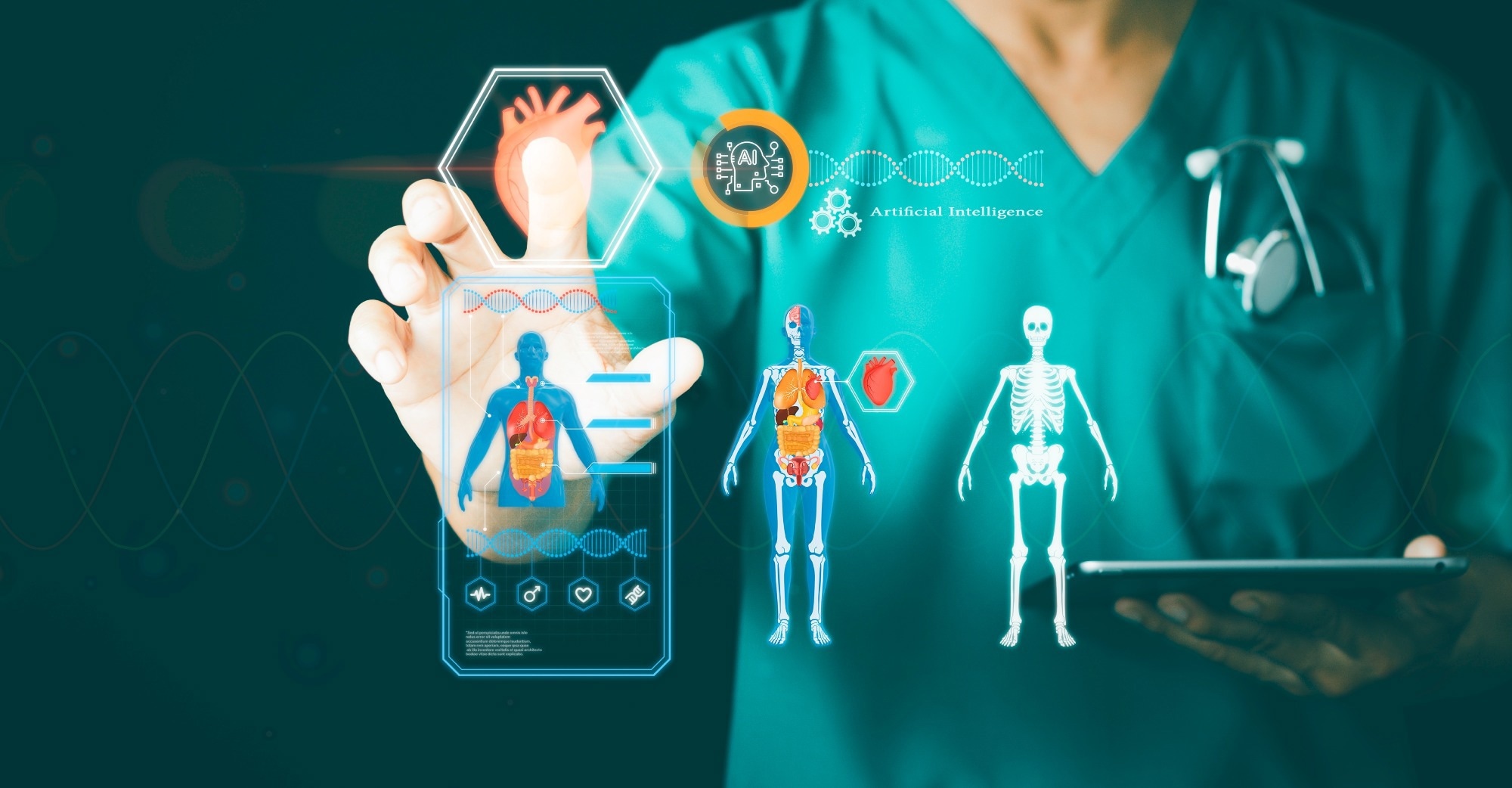
Artificial Intelligence (AI) is rapidly transforming various sectors, and healthcare is no exception. In the realm of medical diagnosis, AI has emerged as a powerful tool that enhances accuracy, efficiency, and accessibility. This article explores how AI is revolutionizing medical diagnosis and what it means for the future of healthcare.
The Role of AI in Medical Diagnosis
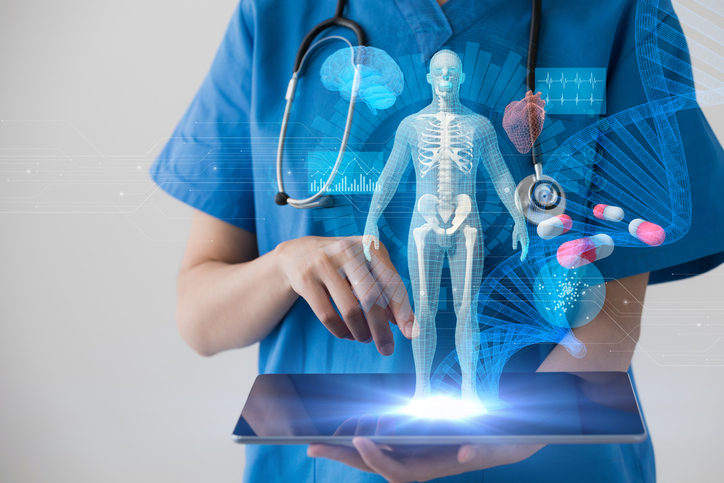
AI systems are designed to process large volumes of data quickly and accurately. In medical diagnosis, AI algorithms analyze complex medical data such as imaging results, genetic information, and electronic health records to assist healthcare professionals in making more informed decisions.
Improving Diagnostic Accuracy
One of the most significant advantages of AI in medical diagnosis is its ability to improve accuracy. Machine learning algorithms can identify patterns and anomalies in data that might be missed by human eyes. For instance, AI has shown remarkable success in diagnosing conditions from medical images such as X-rays and MRIs with precision comparable to or even exceeding that of experienced radiologists.
Enhancing Efficiency
AI reduces the time required for diagnosing certain conditions by automating routine tasks. This allows healthcare professionals to focus on more complex cases that require human judgment and expertise. Faster diagnoses can lead to quicker treatment decisions, improving patient outcomes.
Applications of AI in Medical Diagnosis
- Radiology: AI tools are used to detect tumors, fractures, and other abnormalities in imaging scans.
- Pathology: AI assists pathologists by analyzing tissue samples for signs of cancer or other diseases.
- Genomics: AI helps interpret genetic data to identify mutations linked to diseases.
- EHR Analysis: Natural language processing (NLP) algorithms extract valuable insights from unstructured electronic health records.
The Future of AI in Healthcare
The integration of AI into medical diagnosis is still evolving. As technology advances, we can expect even greater improvements in diagnostic capabilities. However, challenges remain regarding data privacy, ethical considerations, and the need for regulatory frameworks to ensure safe implementation.
The collaboration between humans and machines will likely define the future landscape of healthcare. By leveraging the strengths of both human expertise and artificial intelligence, we can create a more efficient, accurate, and accessible healthcare system for all.
Conclusion
The potential for artificial intelligence in medical diagnosis is immense. As research continues to advance this technology’s capabilities, its impact on patient care will grow exponentially. Embracing these innovations while addressing associated challenges will be crucial for shaping a healthier future powered by technology.
9 Essential Tips for Implementing AI in Medical Diagnosis: Ensuring Privacy, Accuracy, and Ethical Standards
- Ensure data privacy and security when collecting patient information for AI analysis.
- Regularly update AI algorithms with the latest medical research and data for improved accuracy.
- Implement AI systems that provide explanations for their diagnostic decisions to enhance trust from healthcare professionals.
- Collaborate with medical experts to validate and fine-tune AI models for specific diagnostic tasks.
- Consider ethical implications, such as bias in datasets or decision-making processes, when developing AI solutions for medical diagnosis.
- Monitor the performance of AI systems over time to ensure consistent and reliable results in clinical practice.
- Integrate AI tools seamlessly into existing healthcare workflows to maximize efficiency and adoption by healthcare providers.
- Train healthcare professionals on how to effectively use AI technologies in conjunction with their expertise for accurate diagnoses.
- Invest in continuous education and training programs to keep healthcare staff updated on the latest advancements in AI technology.
Ensure data privacy and security when collecting patient information for AI analysis.
Ensuring data privacy and security is paramount when collecting patient information for AI analysis in medical diagnosis. As healthcare systems increasingly rely on artificial intelligence to process sensitive medical data, safeguarding this information becomes crucial to maintaining patient trust and complying with regulations such as HIPAA. Robust encryption methods, access controls, and anonymization techniques should be employed to protect patient data from unauthorized access and breaches. Additionally, transparent policies regarding data usage and sharing must be established to reassure patients that their information is handled responsibly. By prioritizing privacy and security, healthcare providers can leverage AI’s potential while upholding the ethical standards necessary for patient care.
Regularly update AI algorithms with the latest medical research and data for improved accuracy.
In the rapidly evolving field of medical diagnosis, keeping AI algorithms updated with the latest medical research and data is crucial for maintaining and enhancing their accuracy. As new discoveries are made and medical knowledge expands, integrating these advancements into AI systems ensures that they remain at the forefront of diagnostic capabilities. Regular updates allow algorithms to learn from the most recent clinical findings, adapt to emerging health trends, and incorporate novel treatment protocols. This continuous improvement not only enhances the precision of diagnoses but also helps healthcare providers offer more effective and personalized patient care. By staying current with scientific advancements, AI can better support medical professionals in making informed decisions that lead to improved patient outcomes.
Implement AI systems that provide explanations for their diagnostic decisions to enhance trust from healthcare professionals.
Incorporating AI systems that offer clear explanations for their diagnostic decisions is crucial in building trust among healthcare professionals. As AI becomes increasingly integrated into medical diagnosis, it’s important for these systems to not only provide accurate results but also to articulate the reasoning behind their conclusions. By delivering transparent insights into how diagnoses are reached, AI can help bridge the gap between advanced technology and human expertise. This transparency ensures that healthcare providers feel confident in the AI’s capabilities and are more likely to rely on its assessments as part of their decision-making process. Ultimately, explainable AI fosters a collaborative environment where technology and medical professionals work together to improve patient care outcomes.
Collaborate with medical experts to validate and fine-tune AI models for specific diagnostic tasks.
Collaboration with medical experts is essential when developing and implementing AI models for specific diagnostic tasks. Medical professionals bring invaluable expertise and insights that are crucial for validating the accuracy and reliability of AI systems. By working closely with doctors, radiologists, and other healthcare specialists, developers can fine-tune AI algorithms to ensure they meet the nuanced demands of real-world medical environments. This partnership helps in identifying potential biases in data, understanding the clinical context, and ensuring that AI tools complement rather than replace human judgment. Ultimately, such collaboration leads to more robust and trustworthy AI solutions that enhance diagnostic accuracy and improve patient outcomes.
Consider ethical implications, such as bias in datasets or decision-making processes, when developing AI solutions for medical diagnosis.
When developing AI solutions for medical diagnosis, it is crucial to consider the ethical implications, particularly regarding bias in datasets and decision-making processes. Bias can arise from unrepresentative or incomplete datasets, leading to AI models that may not perform equally well across different demographic groups. This can result in disparities in healthcare outcomes, where certain populations might receive less accurate diagnoses or treatment recommendations. Additionally, the decision-making processes of AI systems should be transparent and explainable to ensure trust and accountability. Addressing these ethical concerns requires a commitment to diverse data collection, rigorous testing for bias, and ongoing monitoring of AI performance in clinical settings. By prioritizing ethics in AI development, we can create more equitable and effective diagnostic tools that benefit all patients.
Monitor the performance of AI systems over time to ensure consistent and reliable results in clinical practice.
Monitoring the performance of AI systems over time is crucial to ensuring consistent and reliable results in clinical practice. As these systems are deployed in dynamic healthcare environments, they must adapt to new data and evolving medical standards. Regularly evaluating their accuracy and effectiveness helps identify any drifts or biases that may develop as the system encounters diverse patient populations and conditions. Continuous performance monitoring not only maintains the integrity of diagnostic outcomes but also fosters trust among healthcare professionals who rely on AI tools to support their decision-making processes. By implementing robust oversight mechanisms, healthcare providers can ensure that AI remains a valuable asset in delivering high-quality patient care.
Integrate AI tools seamlessly into existing healthcare workflows to maximize efficiency and adoption by healthcare providers.
Integrating AI tools seamlessly into existing healthcare workflows is crucial for maximizing efficiency and encouraging adoption by healthcare providers. By ensuring that AI systems complement rather than disrupt current practices, healthcare facilities can enhance the productivity of medical professionals without overwhelming them with new processes. Seamless integration allows AI to function as an assistive tool, providing valuable insights and data analysis that support clinical decision-making. This approach not only streamlines operations but also fosters a more receptive environment for healthcare providers to embrace technological advancements, ultimately leading to improved patient outcomes and a more efficient healthcare system.
Train healthcare professionals on how to effectively use AI technologies in conjunction with their expertise for accurate diagnoses.
To maximize the benefits of artificial intelligence in medical diagnosis, it’s essential to train healthcare professionals on how to effectively integrate AI technologies with their clinical expertise. This training should focus on understanding the capabilities and limitations of AI tools, ensuring that medical practitioners can interpret AI-generated insights accurately. By combining AI’s data-processing power with the nuanced judgment and experience of healthcare providers, diagnoses can become more precise and personalized. This collaborative approach not only enhances diagnostic accuracy but also builds trust in AI-assisted processes, ultimately leading to improved patient outcomes and more efficient healthcare delivery.
Invest in continuous education and training programs to keep healthcare staff updated on the latest advancements in AI technology.
In the rapidly evolving field of artificial intelligence in medical diagnosis, investing in continuous education and training programs for healthcare staff is essential. As AI technologies advance, staying updated on the latest tools and methodologies ensures that healthcare professionals can effectively integrate these innovations into their practice. Continuous training not only enhances the proficiency of medical staff in using AI-driven diagnostic tools but also fosters a culture of adaptability and lifelong learning within healthcare institutions. By prioritizing education, healthcare organizations can maximize the potential of AI technologies to improve patient outcomes, streamline operations, and maintain a competitive edge in the ever-changing landscape of modern medicine.