The Role of AI in Medical Diagnosis: Revolutionizing Healthcare
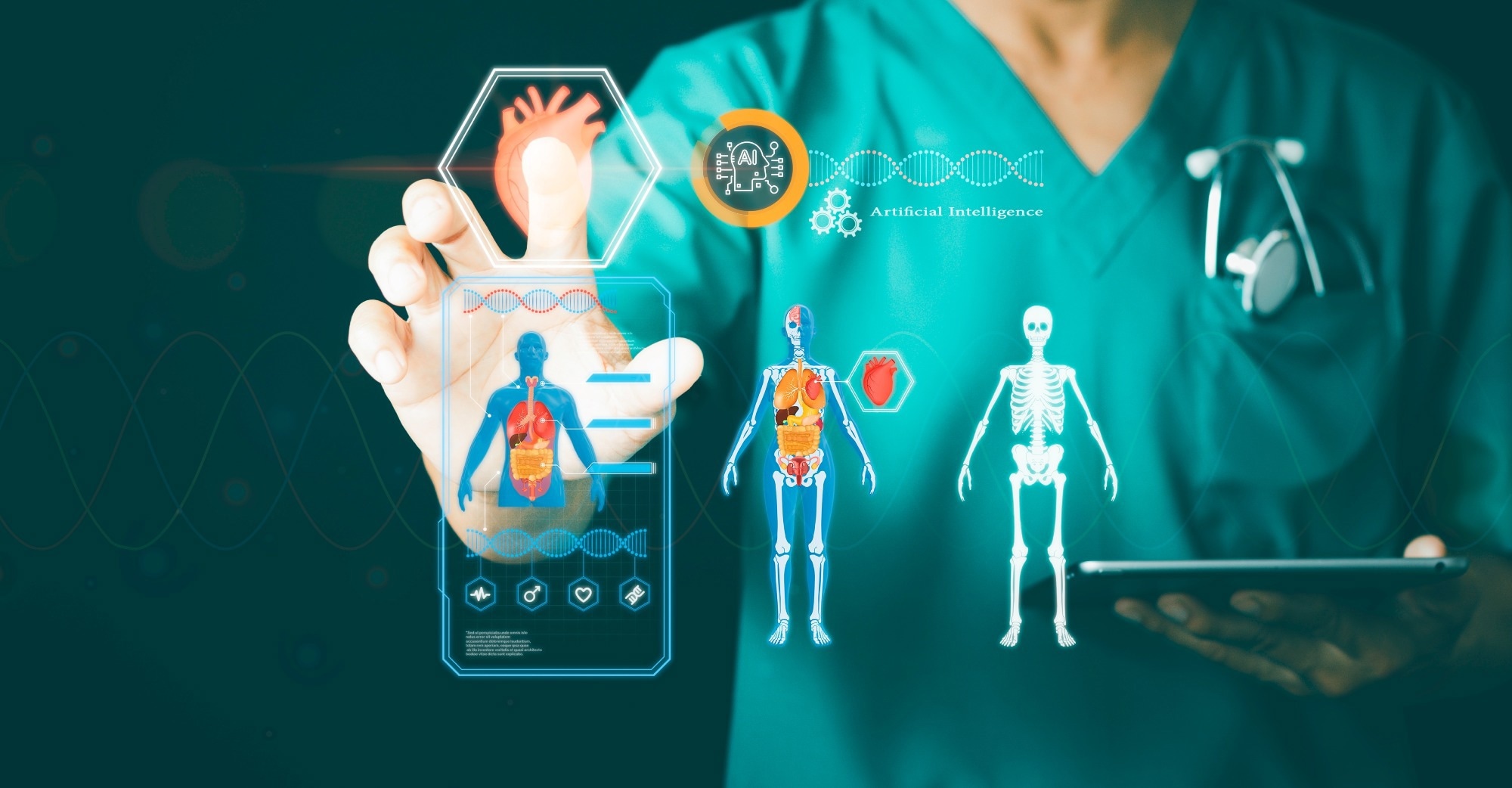
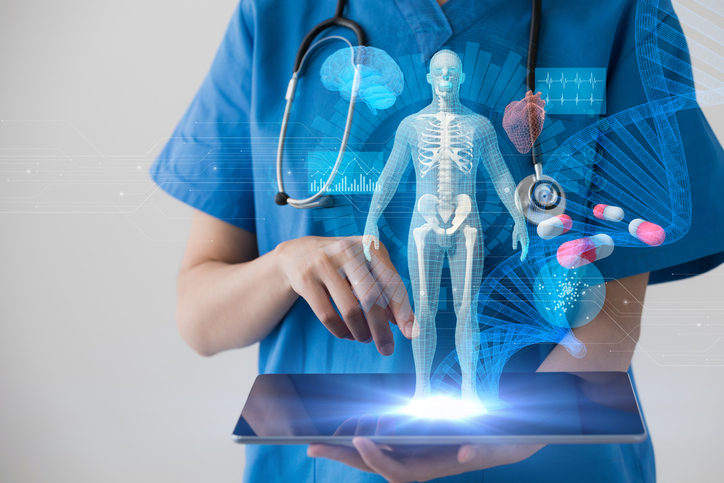
Artificial Intelligence (AI) is rapidly transforming various sectors, and healthcare is no exception. One of the most promising applications of AI in healthcare is medical diagnosis. By leveraging advanced algorithms and vast datasets, AI systems can assist doctors in diagnosing diseases more accurately and efficiently.
How AI Enhances Diagnostic Accuracy
AI technologies, particularly machine learning and deep learning, have shown remarkable potential in analyzing medical data. These systems can process complex datasets such as medical images, genetic information, and electronic health records to identify patterns that may not be immediately apparent to human clinicians.
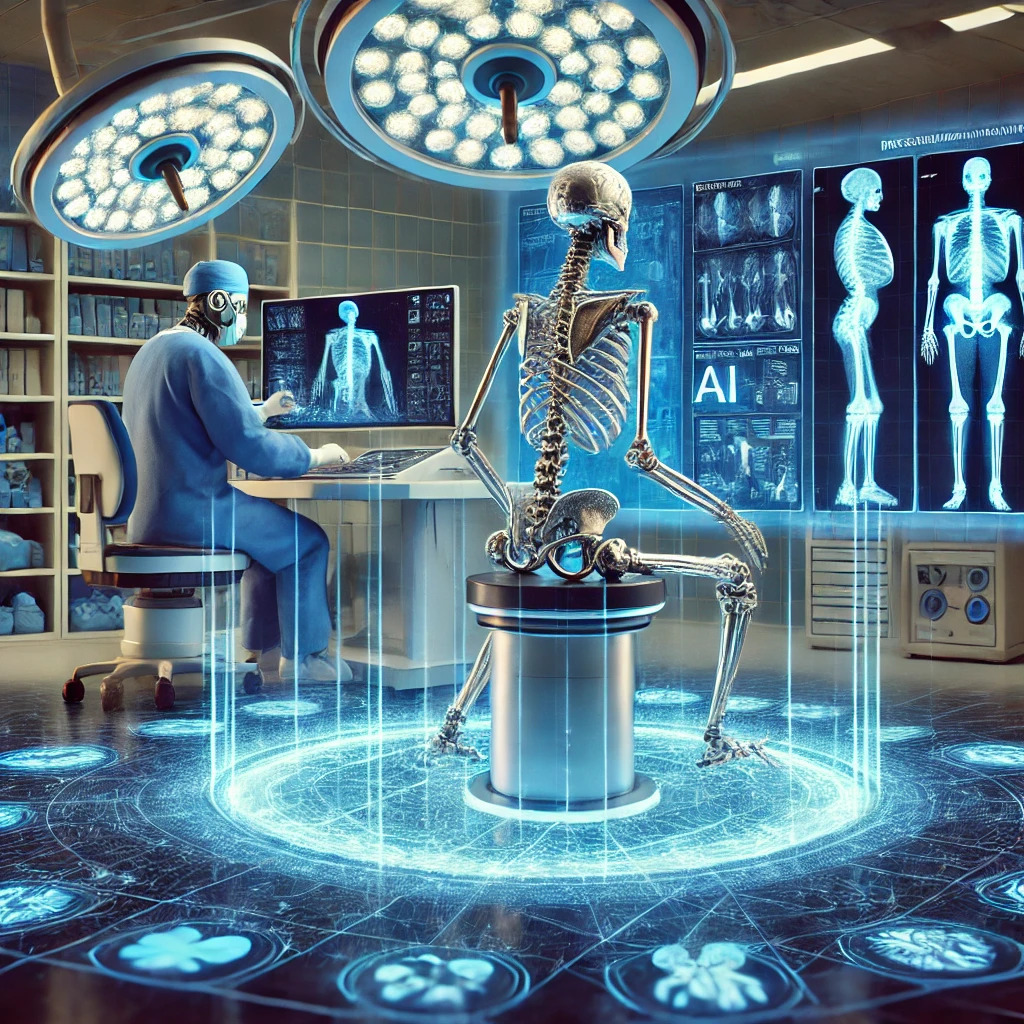
- Medical Imaging: AI algorithms are capable of analyzing X-rays, MRIs, CT scans, and other imaging modalities with high precision. For instance, AI can detect early signs of cancerous tumors or neurological disorders with greater accuracy than traditional methods.
- Predictive Analytics: By analyzing patient data over time, AI can predict the likelihood of disease progression or the risk of developing certain conditions. This allows for earlier interventions and personalized treatment plans.
- Natural Language Processing (NLP): NLP techniques enable AI to extract relevant information from unstructured data such as physician notes or research articles. This helps in creating comprehensive patient profiles for better diagnosis.
The Benefits of AI-Driven Diagnosis
The integration of AI into medical diagnostics offers several benefits:
- Increased Efficiency: Automated analysis reduces the workload on healthcare professionals, allowing them to focus on patient care rather than data processing.
- Reduced Human Error: By minimizing reliance on manual interpretation, AI helps decrease diagnostic errors that could lead to incorrect treatments.
- Accessibility: In regions with limited access to specialists, AI tools can provide critical diagnostic support remotely.
Challenges and Considerations
Despite its potential, the adoption of AI in medical diagnosis is not without challenges. Concerns about data privacy, algorithmic bias, and the need for large amounts of high-quality data are significant hurdles that need addressing. Additionally, there is a need for clear regulatory frameworks to ensure the safe implementation of these technologies.
The Future of AI in Healthcare
The future looks promising for AI-driven diagnostics as technology continues to advance. Collaborations between tech companies and healthcare providers are essential for developing robust solutions that integrate seamlessly into clinical workflows. As these technologies evolve, they hold the potential not only to enhance diagnostic accuracy but also to revolutionize personalized medicine by tailoring treatments based on individual patient profiles.
The journey towards fully integrating AI into medical diagnostics is ongoing but holds immense promise for improving global health outcomes. With continued research and development, AI could become an indispensable tool in every clinician’s arsenal.
6 Advantages of AI in Medical Diagnosis: Accuracy, Efficiency, Early Detection, and More
- Enhanced Diagnostic Accuracy
- Improved Efficiency
- Early Detection of Diseases
- Personalized Treatment Plans
- Remote Access to Expertise
- Reduced Diagnostic Errors
Six Challenges of AI in Medical Diagnosis: Bias, Privacy, Costs, and More
- Risk of algorithmic bias leading to inaccurate diagnoses
- Concerns about data privacy and security when handling sensitive patient information
- Potential for overreliance on AI systems, diminishing clinical judgment skills
- High initial costs associated with implementing AI technology in healthcare settings
- Challenges in integrating AI systems with existing medical infrastructure and workflows
- Limited interpretability of AI-generated diagnoses, making it difficult to understand the reasoning behind recommendations
Enhanced Diagnostic Accuracy
AI algorithms significantly enhance diagnostic accuracy by analyzing complex medical data with remarkable precision. These advanced systems can process vast amounts of information, including medical images, genetic data, and patient records, to identify patterns and anomalies that may be difficult for human eyes to detect. For example, AI can accurately pinpoint early signs of diseases such as cancer or neurological disorders in imaging scans, often outperforming traditional diagnostic methods. This heightened level of accuracy reduces the risk of misdiagnosis and ensures that patients receive the most appropriate and timely treatment plans. By leveraging machine learning and deep learning techniques, AI not only aids healthcare professionals in making more informed decisions but also contributes to better patient outcomes overall.
Improved Efficiency
AI-driven medical diagnosis significantly improves efficiency by automating the analysis of complex medical data, which traditionally requires considerable time and effort from healthcare professionals. This automation accelerates diagnostic procedures, enabling quicker turnaround times and reducing the burden on clinicians. As a result, healthcare providers can allocate more time to direct patient care, enhancing the overall quality of service. By streamlining processes such as image analysis and data interpretation, AI allows medical staff to focus on developing treatment plans and addressing patient needs, ultimately leading to better patient outcomes and more efficient healthcare delivery.
Early Detection of Diseases
AI systems play a crucial role in the early detection of diseases by leveraging their ability to identify subtle patterns in medical images or patient data. This capability enables healthcare professionals to diagnose conditions at their nascent stages, facilitating timely interventions and potentially improving patient outcomes. By detecting diseases early on, AI-powered diagnostic tools empower medical practitioners to initiate treatment plans promptly, leading to more effective management of health conditions and ultimately enhancing the quality of patient care.
Personalized Treatment Plans
AI’s ability to analyze individual patient profiles allows for the creation of personalized treatment plans, which is a significant advantage in medical diagnosis. By examining a patient’s unique health data, including genetic information, lifestyle factors, and medical history, AI can identify specific health needs and potential risks. This tailored approach ensures that treatments are more effective and targeted, reducing the likelihood of adverse reactions and improving patient outcomes. Personalized treatment plans also enable healthcare providers to proactively address potential health issues before they become severe, ultimately leading to more efficient and successful healthcare delivery.
Remote Access to Expertise
AI medical diagnosis offers the significant advantage of remote access to expertise, which is particularly beneficial in underserved or rural areas where specialized healthcare professionals may not be readily available. AI tools can analyze medical data and provide diagnostic support, allowing patients to receive expert opinions without the need for travel. This capability bridges gaps in healthcare access by connecting local healthcare providers with advanced diagnostic resources and specialists from afar. As a result, patients benefit from timely and accurate diagnoses, regardless of their geographical location, ultimately leading to better health outcomes and more equitable healthcare delivery.
Reduced Diagnostic Errors
AI in medical diagnosis significantly reduces diagnostic errors by minimizing human error in interpretation. Traditional diagnostic methods rely heavily on a clinician’s expertise and experience, which can vary widely and be subject to fatigue or oversight. AI systems, however, consistently apply advanced algorithms to analyze complex datasets, ensuring a level of precision and consistency that is difficult for humans to achieve alone. By identifying subtle patterns and anomalies in medical data that might be missed by the human eye, AI helps decrease the likelihood of misdiagnoses. This leads to more reliable diagnostic outcomes, ensuring patients receive accurate diagnoses and appropriate treatments more quickly, ultimately improving overall healthcare quality and patient safety.
Risk of algorithmic bias leading to inaccurate diagnoses
Algorithmic bias in AI medical diagnosis poses a significant risk of leading to inaccurate diagnoses, which can have serious implications for patient care. This bias often arises from the data used to train AI systems, which may not be representative of diverse populations. If the training data lacks diversity or is skewed towards certain demographics, the AI model may perform poorly on underrepresented groups, resulting in misdiagnoses or overlooked conditions. Such biases can exacerbate existing healthcare disparities and undermine trust in AI-driven tools. Addressing this issue requires careful consideration of data sources and ongoing efforts to ensure that AI systems are trained on comprehensive and inclusive datasets that reflect the diversity of real-world patients.
Concerns about data privacy and security when handling sensitive patient information
One of the significant concerns surrounding AI in medical diagnosis is the issue of data privacy and security. As AI systems rely on vast amounts of sensitive patient information to function effectively, there is an inherent risk of data breaches or unauthorized access. This sensitive data includes personal health records, imaging results, and genetic information, all of which require stringent protection measures. Ensuring that these systems comply with regulations such as HIPAA in the United States is crucial to maintaining patient trust and confidentiality. Additionally, as healthcare providers increasingly depend on digital platforms for storing and analyzing data, they must implement robust cybersecurity protocols to safeguard against potential threats. The balance between leveraging AI’s capabilities and protecting patient privacy remains a critical challenge that needs continuous attention and innovation.
Potential for overreliance on AI systems, diminishing clinical judgment skills
The integration of AI systems in medical diagnosis, while beneficial, poses the risk of overreliance, which can diminish the clinical judgment skills of healthcare professionals. As AI becomes more prevalent in analyzing medical data and suggesting diagnoses, there is a concern that clinicians may become too dependent on these technologies, potentially leading to a decline in their diagnostic acumen and critical thinking abilities. This reliance might result in situations where healthcare providers accept AI-generated recommendations without adequate scrutiny or fail to consider alternative diagnoses that an experienced clinician might identify. Ensuring that AI serves as an augmentative tool rather than a replacement for human expertise is crucial to maintaining the balance between technological advancement and the essential human elements of empathy and intuition in patient care.
High initial costs associated with implementing AI technology in healthcare settings
Implementing AI technology in healthcare settings comes with high initial costs, which can be a significant barrier for many institutions. The expenses involved include purchasing advanced hardware and software, integrating these systems with existing medical infrastructure, and training staff to effectively use the new technology. Additionally, ongoing maintenance and updates are necessary to ensure the AI systems remain accurate and efficient. For smaller healthcare facilities or those with limited budgets, these upfront costs can be prohibitive, potentially delaying the adoption of AI-driven diagnostic tools that could ultimately improve patient outcomes and operational efficiency. As a result, while AI holds great promise for transforming medical diagnostics, the financial investment required to implement these technologies remains a considerable challenge.
Challenges in integrating AI systems with existing medical infrastructure and workflows
Integrating AI systems into existing medical infrastructure and workflows presents significant challenges that can impede the adoption of these technologies. Healthcare facilities often rely on legacy systems that are not designed to support advanced AI applications, leading to compatibility issues. Additionally, integrating AI requires substantial changes in workflow, which can disrupt routine practices and require extensive retraining of medical staff. This transition can be time-consuming and costly, as it involves updating technology, ensuring data interoperability, and maintaining compliance with stringent healthcare regulations. Moreover, there is often resistance from healthcare professionals who may be wary of relying on automated systems for critical diagnostic decisions. Addressing these integration challenges is crucial to fully realizing the potential benefits of AI in medical diagnosis.
Limited interpretability of AI-generated diagnoses, making it difficult to understand the reasoning behind recommendations
One of the significant challenges of AI in medical diagnosis is the limited interpretability of AI-generated recommendations. Often referred to as the “black box” problem, this issue arises because many AI systems, particularly those using deep learning, operate in complex ways that are not easily understood by humans. As a result, healthcare professionals may find it difficult to grasp the reasoning behind an AI’s diagnosis or treatment suggestion. This lack of transparency can lead to mistrust and hesitation among clinicians, who are accustomed to understanding and explaining their decision-making processes. Without clear insights into how an AI system arrives at its conclusions, it becomes challenging to validate its accuracy and reliability, potentially hindering its acceptance and integration into clinical practice.