The Essential Data Analytics Interview Questions You Should Prepare For
Preparing for a data analytics interview can be a daunting task, especially when you are unsure of what questions to expect. To help you ace your upcoming interview, we have compiled a list of essential data analytics interview questions that you should be ready to answer:
What is Data Analytics and Why is it Important?
Be prepared to explain the concept of data analytics and its significance in today’s data-driven world. Highlight how data analytics helps organizations make informed decisions and gain valuable insights from large datasets.
What Tools and Technologies Have You Used for Data Analysis?
Showcase your proficiency in popular data analytics tools such as Python, R, SQL, Tableau, or Excel. Discuss specific projects where you utilized these tools to extract meaningful information from data.
Can You Explain the Difference Between Descriptive, Predictive, and Prescriptive Analytics?
Demonstrate your understanding of different types of analytics by defining each category and providing examples of how they are applied in real-world scenarios.
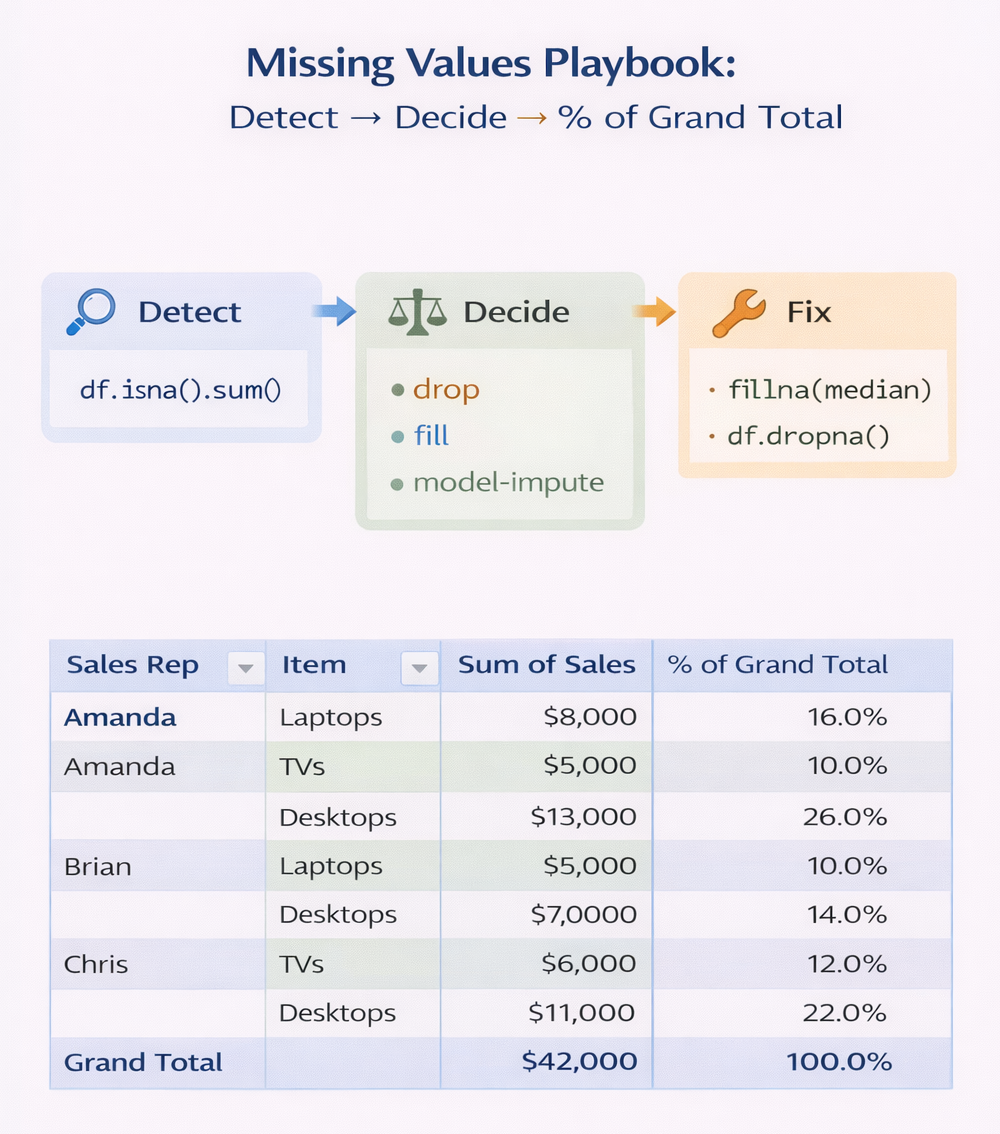
How Do You Handle Missing or Inconsistent Data?
Discuss your strategies for dealing with missing or inconsistent data during the analysis process. Mention techniques such as data imputation, outlier detection, or data cleansing that you have used in previous projects.
Walk Us Through a Data Analysis Project You Have Worked On
Be prepared to describe a data analysis project from start to finish, including the problem statement, methodology used, key findings, and actionable insights derived from the analysis.
How Do You Stay Updated with the Latest Trends in Data Analytics?
Show your enthusiasm for continuous learning by discussing online courses, webinars, conferences, or industry publications that you follow to stay informed about advancements in the field of data analytics.
By familiarizing yourself with these common data analytics interview questions and preparing thoughtful responses, you can confidently navigate your next interview and showcase your expertise in the field of data analytics.
Top 6 Data Analytics Interview Questions: Essential Insights and Expert Tips
- What is Data Analytics and Why is it Important?
- What Tools and Technologies Have You Used for Data Analysis?
- Can You Explain the Difference Between Descriptive, Predictive, and Prescriptive Analytics?
- How Do You Handle Missing or Inconsistent Data?
- Walk Us Through a Data Analysis Project You Have Worked On
- How Do You Stay Updated with the Latest Trends in Data Analytics?
What is Data Analytics and Why is it Important?
Data analytics is the process of examining large datasets to uncover hidden patterns, correlations, and insights that can inform strategic decision-making. In today’s data-driven world, data analytics plays a crucial role in helping organizations gain a competitive edge by making informed choices based on empirical evidence rather than intuition. By leveraging data analytics, businesses can identify trends, predict outcomes, optimize processes, and ultimately drive growth and innovation. The importance of data analytics lies in its ability to transform raw data into actionable information that can guide businesses in achieving their objectives efficiently and effectively.
What Tools and Technologies Have You Used for Data Analysis?
During data analytics interviews, candidates often encounter the question: “What tools and technologies have you used for data analysis?” This question aims to assess the candidate’s proficiency in utilizing various data analytics tools to extract insights from datasets. Candidates are expected to showcase their experience with popular tools such as Python, R, SQL, Tableau, or Excel and provide examples of projects where they have effectively employed these tools. Demonstrating a strong command of these tools not only highlights the candidate’s technical skills but also indicates their ability to leverage technology for data-driven decision-making.
Can You Explain the Difference Between Descriptive, Predictive, and Prescriptive Analytics?
During data analytics interviews, candidates are often asked to explain the difference between descriptive, predictive, and prescriptive analytics. Descriptive analytics focuses on summarizing historical data to provide insights into what has happened in the past. Predictive analytics, on the other hand, uses historical data and statistical algorithms to forecast future outcomes or trends. Lastly, prescriptive analytics goes beyond prediction by recommending actions to optimize outcomes based on the insights generated from descriptive and predictive analyses. Understanding these distinctions is crucial for demonstrating a comprehensive grasp of various analytical approaches and their applications in decision-making processes.
How Do You Handle Missing or Inconsistent Data?
During data analytics interviews, one frequently asked question revolves around how candidates handle missing or inconsistent data in their analysis. The ability to address this challenge effectively is crucial in ensuring the accuracy and reliability of insights derived from datasets. Candidates are expected to demonstrate their proficiency in techniques such as data imputation, outlier detection, and data cleansing to mitigate the impact of missing or inconsistent data. By showcasing their problem-solving skills and analytical acumen in managing data quality issues, candidates can exhibit their readiness to tackle real-world data analytics projects with diligence and precision.
Walk Us Through a Data Analysis Project You Have Worked On
During data analytics interviews, candidates often encounter the question “Walk Us Through a Data Analysis Project You Have Worked On.” This question serves as an opportunity for candidates to showcase their practical experience and analytical skills. When responding, candidates should provide a detailed overview of a specific data analysis project they have completed, including the context, objectives, methodologies utilized, challenges faced, key findings, and actionable insights derived from the analysis. By effectively narrating their project journey, candidates can demonstrate their ability to apply data analytics techniques in real-world scenarios and communicate complex information in a clear and concise manner.
How Do You Stay Updated with the Latest Trends in Data Analytics?
Staying updated with the latest trends in data analytics is crucial for professionals in the field to remain competitive and relevant. When asked about how you stay informed about advancements in data analytics during an interview, it is important to demonstrate your commitment to continuous learning. Mentioning your participation in online courses, attendance at industry conferences, reading relevant publications, following thought leaders on social media platforms, and engaging in hands-on projects can showcase your proactive approach to staying abreast of emerging trends. By emphasizing your dedication to ongoing education and professional development, you can convey your enthusiasm for the dynamic nature of data analytics and your readiness to adapt to evolving technologies and methodologies.