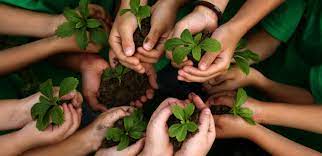
The Importance of Environmental Stewardship
Environmental stewardship is a critical concept that emphasizes the responsible use and preservation of natural resources for the benefit of present and future generations. It involves taking proactive measures to protect the environment, promote sustainability, and mitigate the impact of human activities on ecosystems.
One key aspect of environmental stewardship is conservation. By conserving resources such as water, energy, and forests, we can ensure their availability for future generations. This includes implementing sustainable practices in agriculture, industry, and everyday life to reduce waste and minimize environmental degradation.
Another important component of environmental stewardship is biodiversity conservation. Protecting diverse ecosystems and species is essential for maintaining ecological balance and resilience. By preserving habitats and preventing species extinction, we can safeguard the intricate web of life that sustains our planet.
Climate change poses a significant threat to the environment, making it imperative for individuals and organizations to prioritize environmental stewardship. By reducing greenhouse gas emissions, promoting renewable energy sources, and advocating for policies that address climate change, we can work towards a more sustainable future.
Education and awareness play a crucial role in promoting environmental stewardship. By educating communities about the importance of conservation and sustainability, we can inspire individuals to take action in their daily lives and advocate for positive change at local, national, and global levels.
In conclusion, environmental stewardship is not just a responsibility—it is a moral imperative. By embracing sustainable practices, protecting biodiversity, addressing climate change, and promoting education and awareness, we can become better stewards of our planet and ensure a healthy environment for generations to come.
8 Essential Tips for Effective Environmental Stewardship
- Reduce, reuse, and recycle to minimize waste
- Conserve water by fixing leaks and using it wisely
- Use energy-efficient appliances and lighting
- Choose sustainable and eco-friendly products
- Plant trees and support reforestation efforts
- Minimize plastic usage and opt for reusable alternatives
- Dispose of hazardous materials properly
- Educate others about the importance of environmental conservation
Reduce, reuse, and recycle to minimize waste
Reducing, reusing, and recycling are fundamental principles of environmental stewardship that can significantly minimize waste and promote sustainability. By reducing consumption, finding creative ways to reuse items, and properly recycling materials, we can conserve natural resources, reduce pollution, and lessen the strain on landfills. Embracing the “reduce, reuse, recycle” mantra not only helps protect the environment but also encourages a shift towards a more circular economy where resources are used efficiently and waste is minimized.
Conserve water by fixing leaks and using it wisely
Conserving water by fixing leaks and using it wisely is a simple yet impactful tip for practicing environmental stewardship. By promptly repairing leaks in faucets, pipes, and appliances, we can prevent wastage of this precious resource. Additionally, being mindful of our water usage habits, such as turning off the tap while brushing teeth or using water-efficient appliances, helps reduce unnecessary consumption. These small actions not only contribute to water conservation but also promote a sustainable approach to managing our natural resources for the benefit of both the environment and future generations.
Use energy-efficient appliances and lighting
Using energy-efficient appliances and lighting is a simple yet impactful way to practice environmental stewardship. Energy-efficient appliances consume less electricity, reducing overall energy consumption and lowering carbon emissions. By making the switch to eco-friendly appliances and LED lighting, individuals can not only save money on their utility bills but also contribute to a more sustainable future by conserving energy resources and minimizing their environmental footprint.
Choose sustainable and eco-friendly products
Choosing sustainable and eco-friendly products is a simple yet impactful way to practice environmental stewardship in our daily lives. By opting for products that are produced using environmentally responsible methods, such as organic materials, renewable resources, and ethical labor practices, we can reduce our ecological footprint and support businesses that prioritize sustainability. Making conscious choices about the products we consume not only benefits the environment but also encourages a shift towards a more sustainable and ethical economy.
Plant trees and support reforestation efforts
Planting trees and supporting reforestation efforts are powerful actions in environmental stewardship. Trees play a crucial role in mitigating climate change by absorbing carbon dioxide, providing oxygen, and preserving biodiversity. By planting trees and contributing to reforestation projects, individuals can help restore ecosystems, combat deforestation, and create sustainable habitats for wildlife. These efforts not only benefit the environment but also contribute to a healthier planet for future generations to enjoy.
Minimize plastic usage and opt for reusable alternatives
By minimizing plastic usage and choosing reusable alternatives, individuals can significantly contribute to environmental stewardship. Plastic pollution poses a serious threat to ecosystems and wildlife, with long-lasting consequences for the planet. By opting for reusable products such as water bottles, shopping bags, and food containers, we can reduce our reliance on single-use plastics and help mitigate environmental damage. Making simple changes in our daily habits can have a positive impact on the environment and promote a more sustainable way of living for future generations.
Dispose of hazardous materials properly
Proper disposal of hazardous materials is a crucial aspect of environmental stewardship. By ensuring that items such as batteries, electronics, chemicals, and other potentially harmful substances are disposed of in designated facilities or through specialized recycling programs, we can prevent contamination of soil, water, and air. Responsible handling of hazardous materials not only protects the environment but also safeguards human health and promotes a cleaner, safer planet for all living beings.
Educate others about the importance of environmental conservation
Educating others about the importance of environmental conservation is a powerful way to inspire positive change and foster a culture of sustainability. By raising awareness about the impact of human activities on the environment and highlighting the benefits of conservation efforts, individuals can empower their communities to take meaningful action. Through education, we can cultivate a sense of responsibility towards the environment, encouraging people to make informed choices that contribute to the preservation of our planet for future generations.