The Rise of Eco Houses: Building a Sustainable Future
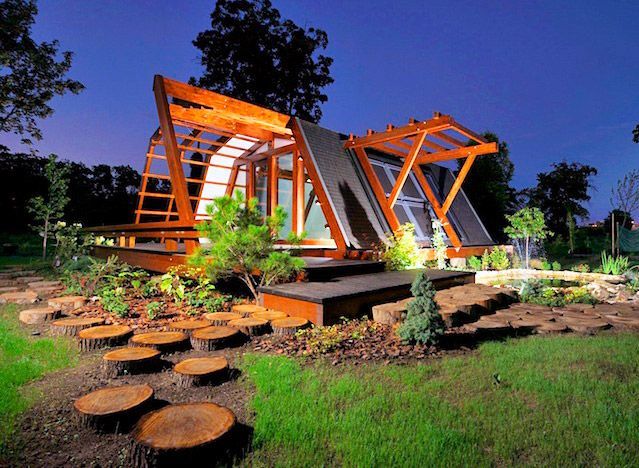
In recent years, the concept of eco houses has gained significant traction as individuals and communities seek to reduce their carbon footprint and embrace sustainable living practices. These innovative homes are designed with a focus on environmental impact, energy efficiency, and overall well-being.
Key Features of Eco Houses
Eco houses incorporate various features that set them apart from traditional homes. These may include:
- Solar Panels: Harnessing the power of the sun to generate electricity and reduce reliance on non-renewable energy sources.
- Green Roofs: Utilizing vegetation on rooftops to improve insulation, reduce stormwater runoff, and create green spaces in urban environments.
- Energy-Efficient Appliances: Using appliances that consume less energy, thereby lowering utility bills and reducing environmental impact.
- Passive Design: Incorporating design elements that maximize natural light, ventilation, and thermal comfort without the need for excessive heating or cooling.
- Recycled Materials: Using recycled or sustainable materials in construction to minimize waste and promote a circular economy.
The Benefits of Eco Houses
The shift towards eco houses offers numerous benefits for both homeowners and the environment. Some of these advantages include:
- Lower Energy Costs: By utilizing renewable energy sources and energy-efficient technologies, eco houses can significantly reduce utility bills over time.
- Reduced Environmental Impact: Eco houses help mitigate climate change by minimizing carbon emissions and resource consumption.
- Improved Indoor Air Quality: Through proper ventilation systems and non-toxic materials, eco houses promote healthier indoor environments for occupants.
- Sustainable Living Practices: Living in an eco house encourages sustainable habits such as water conservation, waste reduction, and responsible consumption.
- Innovative Design Solutions: Eco houses showcase creative design solutions that prioritize functionality, aesthetics, and sustainability in equal measure.
The Future of Housing
As concerns about climate change grow and resources become more limited, the demand for eco-friendly housing solutions is expected to rise. Architects, builders, and homeowners are increasingly embracing the principles of eco design to create homes that not only meet current needs but also safeguard the well-being of future generations.
Eco houses represent a shift towards a more sustainable way of living—one that values harmony with nature, efficiency in resource use, and resilience in the face of environmental challenges. By investing in eco houses today, we are laying the foundation for a greener tomorrow for all.
7 Benefits of Eco Houses: Saving Money, Enhancing Well-being, and Supporting a Greener Future
- Lower energy costs due to energy-efficient design and renewable energy sources.
- Reduced environmental impact through lower carbon emissions and resource conservation.
- Improved indoor air quality with proper ventilation systems and non-toxic materials.
- Promotion of sustainable living practices such as water conservation and waste reduction.
- Enhanced comfort and well-being for occupants with features like natural light and good insulation.
- Increased property value as eco houses are in high demand among environmentally conscious buyers.
- Contribution to a greener future by supporting innovative design solutions that prioritize sustainability.
Understanding the Challenges of Eco Houses: 6 Key Considerations
- Higher Initial Cost
- Limited Availability
- Maintenance Challenges
- Adaptation Issues
- Perception of Complexity
- Resale Value Concerns
Lower energy costs due to energy-efficient design and renewable energy sources.
One of the key advantages of eco houses is their ability to significantly lower energy costs through a combination of energy-efficient design and the integration of renewable energy sources. By incorporating features such as solar panels, passive design strategies, and energy-efficient appliances, eco houses can reduce reliance on traditional energy sources and minimize utility bills over time. This not only benefits homeowners financially but also contributes to a more sustainable and environmentally conscious way of living.
Reduced environmental impact through lower carbon emissions and resource conservation.
Eco houses offer a significant pro in the form of reduced environmental impact through lower carbon emissions and resource conservation. By incorporating sustainable practices and technologies, such as energy-efficient appliances and renewable energy sources, eco houses help minimize the carbon footprint associated with traditional homes. Additionally, the use of recycled materials and efficient water systems contribute to resource conservation, promoting a more environmentally friendly way of living that benefits both current inhabitants and future generations.
Improved indoor air quality with proper ventilation systems and non-toxic materials.
One significant advantage of eco houses is the enhancement of indoor air quality through the implementation of proper ventilation systems and the use of non-toxic materials in construction. By prioritizing clean air circulation and minimizing the presence of harmful substances, eco houses create healthier living environments for occupants. This proactive approach not only promotes physical well-being but also contributes to a more comfortable and sustainable lifestyle within the home.
Promotion of sustainable living practices such as water conservation and waste reduction.
Eco houses play a crucial role in promoting sustainable living practices, including water conservation and waste reduction. By incorporating features like efficient plumbing fixtures, rainwater harvesting systems, and greywater recycling mechanisms, eco houses enable residents to minimize water usage and reduce their environmental impact. Additionally, the use of recycled materials, composting facilities, and energy-efficient appliances in these homes encourages residents to adopt responsible waste management practices. Through these initiatives, eco houses not only contribute to a healthier environment but also inspire individuals to embrace sustainable habits that prioritize the long-term well-being of our planet.
Enhanced comfort and well-being for occupants with features like natural light and good insulation.
Eco houses offer enhanced comfort and well-being for occupants by incorporating features such as ample natural light and effective insulation. The strategic design of eco homes prioritizes maximizing natural light exposure, creating a bright and inviting atmosphere that positively impacts mood and productivity. Additionally, the use of high-quality insulation ensures consistent indoor temperatures throughout the year, promoting a cozy and comfortable living environment. By focusing on these elements, eco houses not only reduce energy consumption but also prioritize the well-being and satisfaction of those who call them home.
Increased property value as eco houses are in high demand among environmentally conscious buyers.
The increased property value of eco houses is a compelling advantage driven by the high demand among environmentally conscious buyers. As sustainability becomes a top priority for many individuals, the appeal of owning a home that aligns with eco-friendly principles is undeniable. This heightened demand not only reflects a shift towards responsible living but also translates into tangible benefits for homeowners looking to invest in properties that offer both environmental benefits and long-term financial returns.
Contribution to a greener future by supporting innovative design solutions that prioritize sustainability.
By supporting innovative design solutions that prioritize sustainability, eco houses make a significant contribution to a greener future. These homes showcase creative approaches that not only reduce environmental impact but also inspire a shift towards more responsible living practices. By integrating sustainable features and technologies, such as solar panels, green roofs, and energy-efficient appliances, eco houses set a new standard for architectural design that harmonizes with nature while promoting resource efficiency. This focus on sustainability not only benefits the environment but also encourages individuals and communities to embrace a more eco-conscious lifestyle for the well-being of our planet and future generations.
Higher Initial Cost
One significant drawback of eco houses is the higher initial cost associated with their construction and implementation. Unlike traditional homes, eco houses typically require a greater upfront investment due to the use of sustainable materials and energy-efficient technologies. While these features contribute to long-term savings on energy bills and environmental benefits, the initial expense can be a barrier for some individuals looking to adopt eco-friendly living practices. The higher upfront cost of eco houses may deter potential homeowners who prioritize immediate affordability over long-term sustainability goals.
Limited Availability
One significant con of eco houses is their limited availability, which can pose challenges for individuals seeking sustainable housing options. Not all locations may have readily accessible eco-friendly homes, making it difficult for those interested in reducing their environmental impact to find suitable living spaces. This scarcity of eco houses in certain areas can limit the choices available to individuals looking to embrace sustainable living practices, highlighting the need for broader adoption and accessibility of environmentally conscious housing solutions.
Maintenance Challenges
One notable drawback of eco houses is the maintenance challenges associated with certain eco features, such as green roofs or solar panels. While these features offer environmental benefits, they often require specialized care and maintenance, which can increase the overall upkeep costs for homeowners. Regular inspection, cleaning, and potential repairs may be necessary to ensure that these eco-friendly elements continue to function effectively and contribute to the sustainability of the home. The added maintenance requirements can be a consideration for individuals looking to invest in eco houses, as they entail ongoing commitments beyond traditional home maintenance tasks.
Adaptation Issues
Adaptation Issues pose a significant con for eco houses as existing infrastructure and building codes may not always align with eco house designs. This mismatch can result in potential challenges during construction or renovation, requiring additional time, resources, and expertise to navigate regulatory hurdles and ensure compliance with sustainability standards. The need to retrofit or modify existing structures to meet eco-friendly criteria can introduce complexities that may deter some homeowners or developers from fully embracing sustainable building practices. Addressing adaptation issues effectively is crucial to overcoming this obstacle and fostering widespread adoption of eco houses in the construction industry.
Perception of Complexity
One significant con of eco houses is the perception of complexity associated with their sustainable systems, such as rainwater harvesting or greywater recycling. For some individuals, the intricate nature of these eco-friendly technologies can be intimidating and overwhelming, leading them to hesitate in adopting sustainable living practices. The perceived complexity may create a barrier to entry for those who are unfamiliar with green technologies or who prefer more conventional housing solutions. Educating and raising awareness about the benefits and feasibility of these systems is crucial in dispelling misconceptions and encouraging broader acceptance of eco houses as viable and practical living options.
Resale Value Concerns
One significant con of eco houses is the concern regarding resale value. Despite offering long-term cost savings on utilities and promoting sustainability, the resale value of eco houses can be affected by market perceptions and preferences for more traditional housing styles. Potential buyers may be hesitant to invest in eco houses due to unfamiliarity with green technologies or a preference for conventional architectural designs. This disparity in market demand could impact the resale value of eco houses, highlighting a challenge in bridging the gap between sustainable living practices and mainstream real estate trends.