The Future of AGI: Understanding Artificial General Intelligence
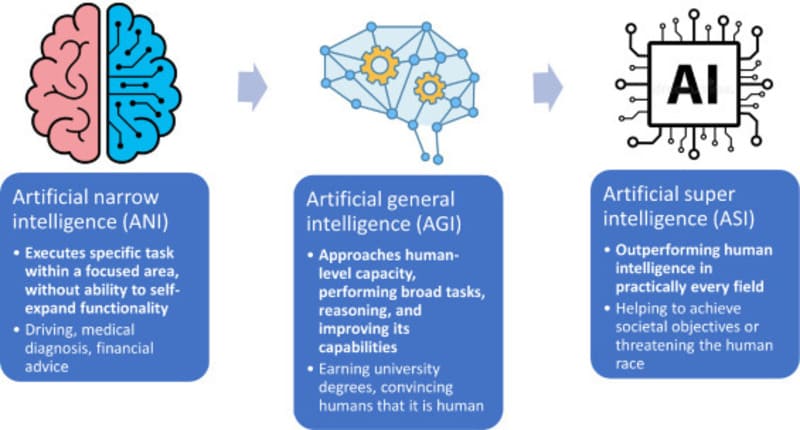
Artificial General Intelligence (AGI) represents a significant milestone in the field of artificial intelligence. Unlike narrow AI, which is designed to perform specific tasks, AGI aims to replicate the broad cognitive abilities of humans. This means an AGI system could understand, learn, and apply knowledge across a wide range of tasks, much like a human being.
What is AGI?
AGI refers to highly autonomous systems that possess the ability to perform any intellectual task that a human can do. The concept goes beyond current AI systems that excel in particular domains like language translation or image recognition. The ultimate goal is for AGI to demonstrate flexibility and adaptability similar to human intelligence.
The Path to AGI
The journey toward achieving AGI involves several challenges and breakthroughs in technology and understanding of cognition. Key areas include:
- Machine Learning: Developing algorithms that enable machines to learn from experience in ways similar to humans.
- Neuroscience: Gaining insights into how the human brain functions can provide blueprints for creating intelligent machines.
- Cognitive Science: Understanding how humans think and reason will inform the development of more advanced AI systems.
Potential Benefits
The successful realization of AGI holds immense potential benefits for society:
- Healthcare: Advanced diagnostics and personalized treatment plans could revolutionize patient care.
- Education: Customized learning experiences that adapt to individual needs could enhance educational outcomes.
- Sustainability: Intelligent systems could optimize resource management, leading to more sustainable practices.
Challenges and Ethical Considerations
The development of AGI also raises significant ethical questions and challenges. Ensuring that these powerful systems are aligned with human values is crucial. Some key concerns include:
- Control: How can we ensure that AGI remains under human control?
- Moral Decision-Making: How do we program ethical decision-making into machines?
- Inequality: How do we prevent the technology from exacerbating existing social inequalities?
The Road Ahead
The journey toward achieving Artificial General Intelligence is both exciting and daunting. While there are numerous challenges ahead, the potential rewards make it a worthwhile pursuit. As researchers continue their work, it is essential for society to engage in discussions about the implications of this technology, ensuring its benefits are realized responsibly and equitably.
7 Advantages of AGI Intelligence: From Versatility to Scientific Advancements
- 1. Versatility
- 2. Problem-Solving
- 3. Efficiency
- 4. Continuous Learning
- 5. Personalization
- 6. Innovation
- 7. Scientific Advancements
Challenges of AGI: Unintended Consequences, Ethical Dilemmas, and Job Displacement
1. Versatility
Artificial General Intelligence (AGI) offers unparalleled versatility, setting it apart from narrow AI systems that are limited to specific tasks. With the ability to perform a wide range of activities, AGI can seamlessly adapt to various scenarios and challenges. This adaptability means that an AGI system could transition from diagnosing medical conditions to managing complex logistical operations without the need for reprogramming. Its ability to learn and apply knowledge across different domains mirrors human cognitive flexibility, making AGI a powerful tool for tackling multifaceted problems in dynamic environments. This versatility has the potential to revolutionize industries by providing comprehensive solutions that are both efficient and innovative.
2. Problem-Solving
Artificial General Intelligence (AGI) offers a remarkable advantage in problem-solving capabilities. With its capacity to comprehend intricate problems and think creatively, AGI has the potential to address complex challenges with innovative solutions. By leveraging its broad cognitive abilities, AGI can explore unconventional approaches and generate novel ideas that may elude traditional problem-solving methods. This proficiency in tackling intricate issues could lead to significant advancements across various fields, from scientific research to societal dilemmas, ushering in a new era of problem-solving efficiency and effectiveness.
3. Efficiency
AGI’s ability to automate tasks more efficiently than human labor presents a significant advantage in terms of efficiency. By leveraging advanced algorithms and cognitive capabilities, AGI systems can streamline processes, perform complex calculations, and handle repetitive tasks with precision and speed. This increased efficiency not only saves valuable time but also conserves resources, allowing organizations to allocate their human workforce to more strategic and creative endeavors. The automation potential of AGI offers the promise of optimizing productivity and driving innovation across various industries.
4. Continuous Learning
AGI systems offer the remarkable advantage of continuous learning, allowing them to enhance their performance and capabilities over time. Unlike traditional systems that may require manual updates or reprogramming, AGI can adapt and evolve through ongoing exposure to new data and experiences. This ability to learn iteratively enables AGI to stay current with evolving trends and information, making it a dynamic and self-improving intelligence that can address complex challenges with increasing proficiency.
5. Personalization
AGI intelligence brings forth the notable advantage of personalization, allowing for tailored experiences and recommendations that cater to individual preferences. By leveraging advanced algorithms and deep learning capabilities, AGI systems have the capacity to analyze vast amounts of data to discern unique patterns and nuances in user behavior. This personalized approach not only enhances user satisfaction but also streamlines decision-making processes by presenting relevant information that aligns with specific interests and needs. The ability of AGI to deliver customized experiences signifies a significant leap forward in technology’s capacity to enrich interactions and engagements in various domains.
6. Innovation
AGI intelligence fuels innovation by expanding the horizons of technological capabilities and beyond. By pushing the boundaries of what is deemed achievable, AGI opens up new possibilities for advancements in various fields. This relentless pursuit of progress encourages creative thinking and exploration, leading to groundbreaking discoveries and solutions that can shape the future of technology and society.
7. Scientific Advancements
AGI intelligence plays a crucial role in driving scientific advancements across diverse fields. Through AGI research, new insights and discoveries emerge, pushing the boundaries of knowledge in areas such as medicine, space exploration, climate science, and more. The ability of AGI systems to process vast amounts of data and identify complex patterns enables researchers to uncover hidden connections and make breakthroughs that may have otherwise remained elusive. By facilitating innovation and accelerating the pace of discovery, AGI intelligence enhances our understanding of the world and propels scientific progress to new heights.
Risk of Unintended Consequences
One significant con of Artificial General Intelligence (AGI) is the risk of unintended consequences. If AGI systems are not meticulously designed and controlled, they have the potential to generate outcomes that are unpredictable and challenging to manage. The complexity and autonomy of AGI could result in decisions or actions that deviate from intended purposes, leading to unforeseen consequences that may have far-reaching implications. Safeguarding against these risks requires thorough consideration of ethical, safety, and regulatory frameworks to ensure that AGI development proceeds responsibly and with careful oversight.
Ethical Dilemmas
The development of Artificial General Intelligence (AGI) presents a host of ethical dilemmas that society must confront. As AGI systems become more advanced, they raise significant concerns about privacy, as these systems could potentially access and analyze vast amounts of personal data without explicit consent. Additionally, the autonomy of AGI poses questions about decision-making and accountability; if an AGI system acts independently, determining responsibility for its actions becomes complex. Furthermore, the potential misuse of AGI capabilities by malicious actors or authoritarian regimes could lead to unprecedented levels of surveillance and control, infringing on individual freedoms and rights. These ethical challenges necessitate careful consideration and proactive measures to ensure that the development and deployment of AGI align with societal values and human rights.
Job Displacement
The widespread adoption of AGI technologies poses a significant con in the form of job displacement. As these intelligent systems become more capable of performing a wide range of tasks, there is a looming concern that many jobs currently held by humans could be at risk. This potential shift in the labor market could lead to increased unemployment rates across various industries, creating challenges for individuals and communities that rely on traditional employment opportunities. Addressing the issue of job displacement will be crucial as society navigates the integration of AGI technologies into different sectors.